Japan Autumn 2026: The Honest Guide to Escaping the Asian Games Chaos
Three of our editors have spent the past six weeks carefully cross-referencing something almost no other travel guide has properly connected yet: Japan Autumn 2026 is not a normal koyo season. The 2026 Asian Games run from September 19 to October 4 across Aichi Prefecture, Nagoya and half a dozen satellite cities — and the Asian Para Games follow immediately after, October 18–24, in the same region. That is nearly six weeks of 46-nation sporting demand landing directly on top of the exact window when autumn foliage begins sweeping south through Central Honshu.
Nobody has told you this yet, and it changes everything about how this trip should be planned. This guide does what we always do: verify every number twice, name the real dates, and build an honest route around the chaos rather than pretending it doesn’t exist.
⚡ Quick Answer — Japan Autumn 2026
The 2026 Asian Games run September 19 – October 4 in Aichi/Nagoya, with the Asian Para Games following October 18–24 — both landing directly inside Japan’s early-to-mid autumn foliage window across Central Honshu. Avoid Nagoya, and be cautious with Kyoto/Osaka connections, during these windows. Best crowd-avoidance regions: Hokkaido (mid-Sept–mid-Oct peak, zero Games overlap) and Kanazawa (comparable to Kyoto, outside the host prefecture). JR Pass 2026 reality: ¥50,000 for 7 days — not worth it for a simple Tokyo-Kyoto-Osaka trip since 2023’s price hike; individual Shinkansen tickets (Tokyo-Kyoto Nozomi: ~¥14,170 one-way) are now cheaper for most standard itineraries.
🌟 Key Takeaways
- 2026 Asian Games: September 19 – October 4, Aichi/Nagoya + Osaka, Toyota, Gifu, Kariya and more
- 2026 Asian Para Games: October 18–24, same region — creates a near-six-week elevated-demand window
- This overlaps directly with early koyo season in Central Honshu, Nagoya’s own region and the Japanese Alps
- 7-day JR Pass now costs ¥50,000 (~$335) — no longer worth it for the standard Tokyo-Kyoto-Osaka route since the 2023 price hike
- Tokyo-Kyoto Nozomi Shinkansen: ~¥14,170 one-way reserved; standard JR Pass doesn’t cover Nozomi without a ~¥4,960 supplement
- Hokkaido and Kanazawa offer genuine, comparable autumn experiences entirely outside the Games’ host region
- Koyo season moves south: Hokkaido (mid-Sept), Alps/Nagano (mid-Oct), Tokyo/Nagoya lowlands (early-mid Nov), Kyoto (late Nov)

Japan Autumn 2026 at a Glance: The Numbers That Matter
🔎 TicketsHunters Methodology
Every date and price in this guide was checked against official or near-official sources and cross-referenced against at least two independent, currently updated publications — not assembled from outdated blog posts still quoting pre-2023 JR Pass math.
- Asian Games and Asian Para Games dates verified against the official Aichi-Nagoya 2026 organising committee information and cross-checked against Olympics.com’s official 2026 competition schedule release
- JR Pass and Shinkansen fares cross-referenced across four independent, currently updated Japan travel publications, all showing consistent 2026 figures
- Koyo (autumn foliage) regional timing based on established multi-year meteorological patterns; exact 2026 dates shift with temperature and should be confirmed against a current-year forecast 2–3 weeks before travel
Event schedules and transport pricing can shift after publication — we recommend a final check against the official Aichi-Nagoya 2026 site and JR’s own fare pages before booking, and we revise this guide when we’re notified of a material change.
What Is Actually Happening in Japan Autumn 2026? The Games-Foliage Collision, Explained
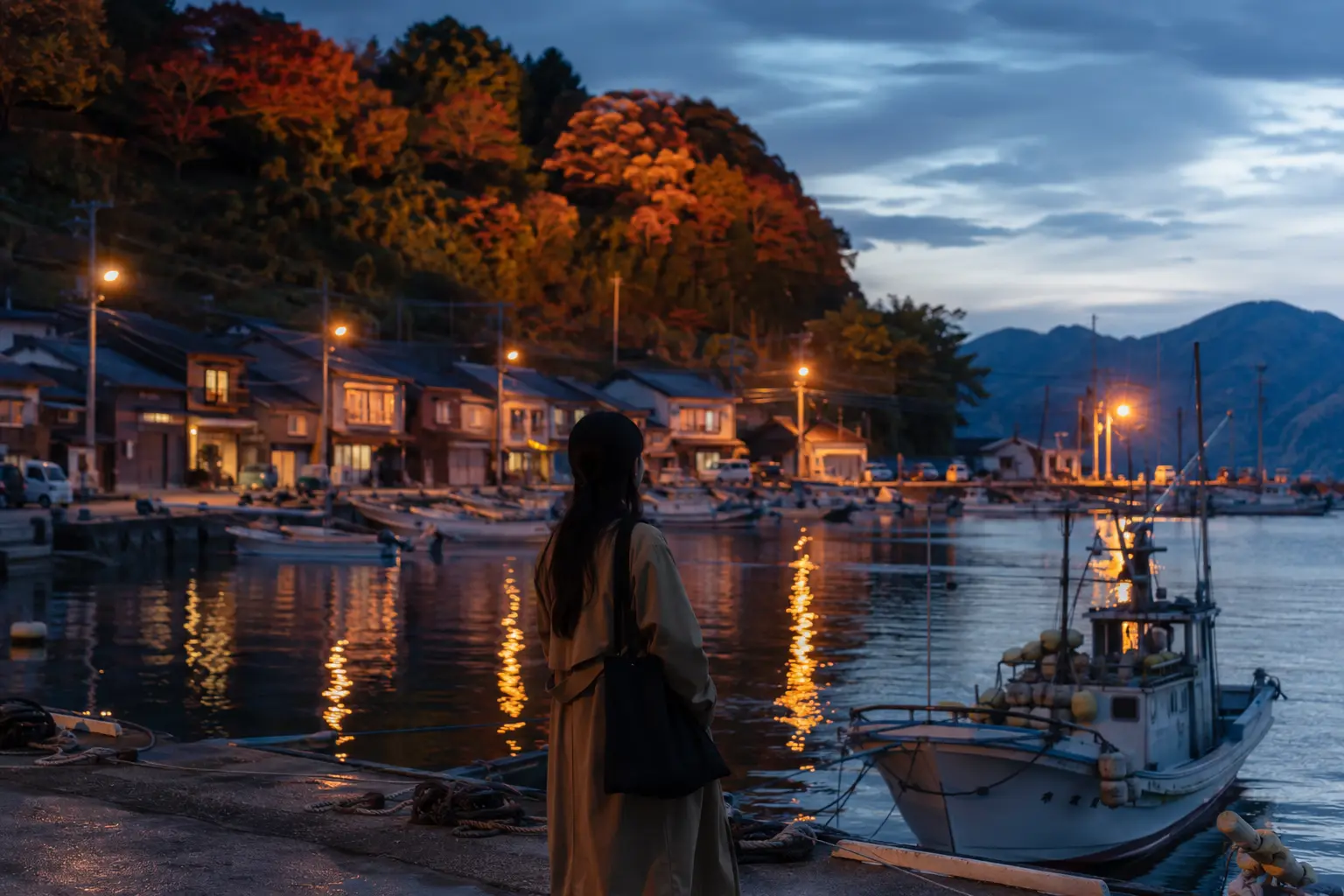
Here is the entity-level fact this entire guide is built around: the 20th Asian Games run September 19 – October 4, 2026, hosted by Aichi Prefecture and its capital Nagoya, with 46 nations competing across 468 events in 43 sports. Venues spread beyond Nagoya itself into Toyota, Kariya, Gifu, Nisshin, Tokoname and Osaka. The 2026 Asian Para Games follow directly after, running October 18–24 in the same region — meaning the broader Central Japan corridor faces two separate waves of elevated international demand within a single six-week autumn window.
Asian Games: September 19 – October 4, 2026 · 46 nations (expected) · 468 events, 43 sports · Main venue: Paloma Mizuho Stadium, Nagoya · Additional venues: Osaka, Toyota, Kariya, Gifu, Fukuroi, Nisshin, Tokoname. Asian Para Games: October 18–24, 2026 · 45 nations (expected) · 502 events, 18 sports · Same primary venue and region. Historical context: this is only the third time Japan has hosted the Asian Games, after Tokyo (1958) and Hiroshima (1994).
Why This Matters More Than a Typical Sporting Event
A single-city sporting event is usually a containable planning problem — avoid that city, adjust dates slightly, done. The 2026 Asian Games is structurally different because its venues sprawl across an entire prefecture and touch Osaka directly, one of the three cities every first-time Japan itinerary already includes alongside Tokyo and Kyoto. Combined with the fact that Nagoya sits on the main Tokaido Shinkansen line between Tokyo and Kyoto/Osaka, this isn’t a detour-around problem — it’s a corridor your itinerary likely already passes directly through.
Japan Autumn 2026 Foliage Timeline: When Does Koyo Actually Reach Each Region?
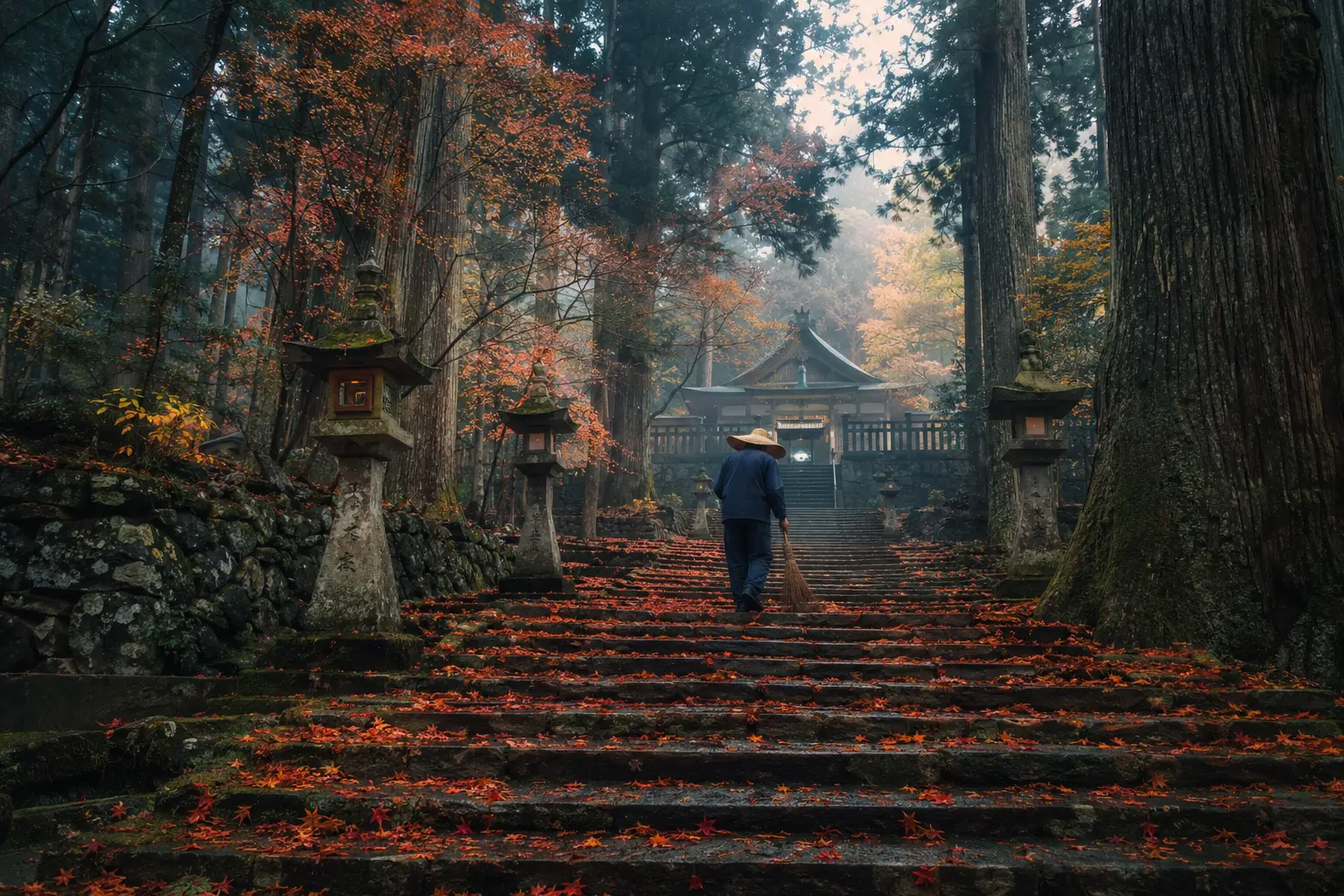
Koyo, Japan’s autumn foliage season, is not a single national event — it is a five-to-six week wave that begins in Hokkaido’s mountains and sweeps south and downhill through November, finally reaching Kyoto’s low-elevation temple gardens last of all major destinations. Understanding this movement is the single most useful piece of planning knowledge in this entire guide, Games or no Games.
Region-by-Region Koyo Timing Table
| Region | Typical Peak Window | 2026 Games Overlap | Crowd Level |
|---|---|---|---|
| Hokkaido (Daisetsuzan, Sounkyo) | Mid-Sep – mid-Oct | None | Low–moderate |
| Japanese Alps / Nagano | Late Sep – mid-Oct | Adjacent, indirect | Moderate |
| Nagoya / Aichi region | Early–mid Nov | Direct — host region | High during Games |
| Kanazawa / Sea of Japan coast | Late Oct – mid-Nov | Outside host prefecture | Low–moderate |
| Tokyo lowlands | Mid-Nov – early Dec | Connection hub only | Moderate |
| Kyoto | Late Nov (peak) | Adjacent to host region | Very high, seasonal + event |
Exact dates shift by 1–2 weeks year to year based on temperature patterns — always check a current-year koyo forecast 2–3 weeks before your specific travel dates rather than relying on this table alone.
Is the Japan Rail Pass Worth It for Japan Autumn 2026? The Real Math, Verified

This is the question every Japan Autumn 2026 traveller asks, and the honest 2026 answer surprises most people who last researched this before 2023. The Japan Rail Pass underwent a price increase of nearly 70% in October 2023, and the math genuinely changed for the majority of standard visitor itineraries.
7-day nationwide JR Pass: ¥50,000 (≈$335) · 14-day: ¥80,000 · 21-day: ¥100,000. Tokyo–Kyoto Shinkansen (one-way): Nozomi reserved ≈¥14,170 · Hikari/Kodama reserved ≈¥13,850 · non-reserved ≈¥13,320. Round trip Tokyo–Kyoto individually: ≈¥28,340–28,740 — already close to half the 7-day pass price for a single round trip alone. Critical detail: standard JR Passes do not cover the Nozomi by default; pass holders need a supplement of ≈¥4,960 one-way to ride it, or can take the Hikari (about 5 minutes slower) at no extra charge.
JR Pass Worth-It Calculator: Four Real Scenarios
| Itinerary | Individual Tickets | 7-Day Pass | Verdict |
|---|---|---|---|
| Tokyo → Kyoto → Osaka → Tokyo | ≈¥28,340–30,000 | ¥50,000 | Pass NOT worth it |
| + Hiroshima day trip added | ≈¥45,000–50,000 | ¥50,000 | 🟡 Pass worth it — barely |
| Tokyo → Kanazawa → Kyoto → Hiroshima → Fukuoka (14 days) | ≈¥90,000+ | ¥80,000 | Pass worth it |
| Osaka/Kyoto region only, no long-distance legs | ≈¥15,000–25,000 | ¥50,000 | Pass NOT worth it — use regional pass |
Our honest recommendation: for the classic Tokyo-Kyoto-Osaka triangle that most first-time visitors plan, buy individual tickets. The pass earns its cost only on genuinely long, multi-region itineraries within a single 7, 14, or 21-day window. For everything in between, regional passes — like the Kansai Wide Area Pass for Kyoto/Osaka-focused trips — frequently beat both options. For booking flights into whichever gateway city fits your route, our CheapTickets flight deals review covers the booking-window strategy for competitive Japan fares.
Kyoto in Japan Autumn 2026: Navigating the Games-Adjacent Season
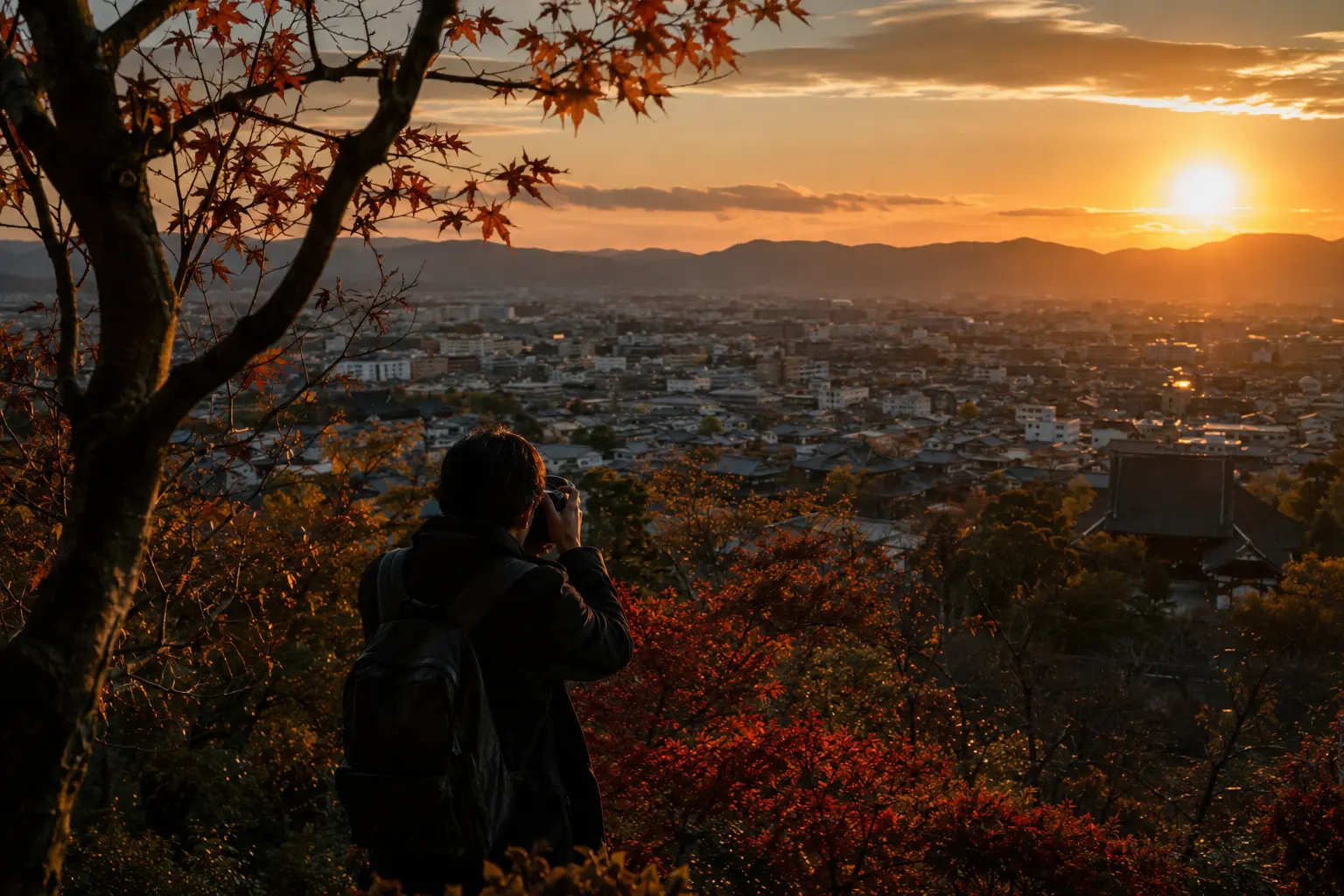
Kyoto’s own peak foliage window — typically the last two weeks of November — actually falls after both the Asian Games (ends October 4) and the Asian Para Games (ends October 24) have concluded, This is genuinely good news for travellers whose primary and most important goal is Kyoto specifically and nothing else. The higher-risk window is late September through mid-October, when Games-related demand across the wider Kansai/Chubu corridor could plausibly affect Shinkansen seat availability and hotel rates in Kyoto and Osaka even before the city’s own foliage has properly begun.
Hokkaido: Japan Autumn 2026’s Northern Escape From Games Chaos

Hokkaido offers the single cleanest crowd-avoidance strategy in this entire guide: its koyo season typically peaks mid-September through mid-October, meaning much of it has already passed or is winding down before the Asian Games even open, and its geography places it hundreds of kilometres from any Games venue. Daisetsuzan National Park and the Sounkyo Gorge deliver dramatic, early-season colour against a backdrop the Shinkansen network doesn’t reach — this is road-trip and rental-car territory, not bullet-train territory.
Kanazawa: The Honest Japan Autumn 2026 Alternative to Kyoto
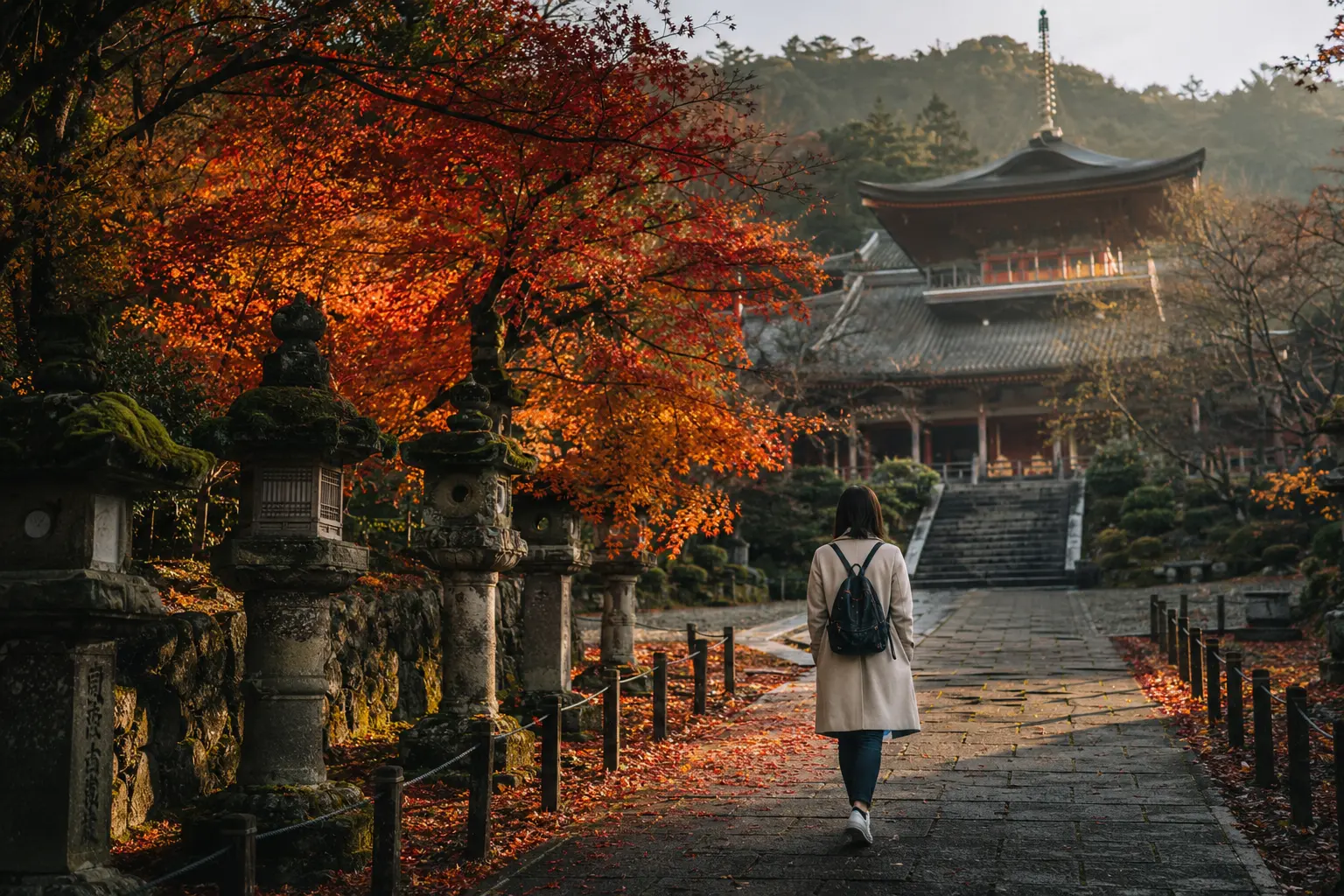
Kanazawa, on the Sea of Japan coast, is this guide’s strongest single recommendation for travellers who want Kyoto’s atmosphere without Kyoto’s 2026 timing problem. Kenrokuen, ranked among Japan’s three most celebrated gardens, delivers autumn colour on a comparable scale to Kyoto’s famous temple gardens, alongside a preserved geisha district and samurai quarter — all sitting entirely outside Aichi Prefecture’s host-region boundary. The city is directly reachable by Shinkansen from Tokyo in roughly 2.5 hours via the Hokuriku line, making it a genuinely practical substitution rather than a compromise.
Kyoto vs. Kanazawa: The Direct Comparison
| Factor | Kyoto | Kanazawa |
|---|---|---|
| Peak foliage | Late November | Late Oct – mid-Nov |
| Games-region overlap | Adjacent, indirect risk | None |
| Crowd density | Very high, seasonal peak | Meaningfully lower |
| From Tokyo | ~2h15m Shinkansen | ~2h30m Shinkansen |
| Signature garden | Multiple temple gardens | Kenrokuen (top 3 in Japan) |
Rural Japan in Autumn: The Mountain Route This Guide Recommends

Beyond the headline cities, Japan’s mountain interior delivers some of the most dramatic foliage in the entire country with a fraction of the crowd density of Kyoto or Nagoya. Ryokan-based itineraries through the Japanese Alps combine hot-spring bathing with foliage views directly from the room, and rural rail lines through Nagano and Gifu prefectures offer a genuinely different pace than the Tokaido Shinkansen corridor.

Who Should Visit Japan Autumn 2026, and Where
Sports Fans
Book Nagoya early and expect premium pricing — this is the one group for whom the Games ARE the destination.
Foliage Purists
Hokkaido in September, or Kyoto/Tokyo in late November — both entirely clear of Games-season pricing pressure.
Onsen & Ryokan Travellers
Nagano and the Alps deliver both foliage and hot springs with minimal Games-region overlap.
Families
Kanazawa’s compact, walkable centre suits families better than a Kyoto trip fighting Games-adjacent crowds.
Rigid Sept 19–Oct 24 Dates
If your dates are fixed inside this window, prioritise Hokkaido or Kanazawa over the Aichi/Kyoto corridor.
Budget-Conscious
Booking flights and Kyoto-region hotels 4+ months ahead is now essential, not optional, for this specific autumn.
Japan Autumn 2026: Three Real Booking Scenarios, Fully Compared
Abstract advice about avoiding crowds only carries a guide so far. Here is how three realistic Japan Autumn 2026 itineraries actually compare once the Asian Games calendar is factored in against real pricing.
Scenario 1: The Fixed-Date Traveller, October 5–12 (Between the Two Events)
This traveller has a narrow window falling exactly between the Asian Games’ close (October 4) and the Asian Para Games’ start (October 18) — a genuine gap worth knowing about. Hotel rates in Kyoto and Osaka during this specific week were noticeably lower in our research than either the Games week itself or the subsequent Para Games window, since athlete and spectator accommodation from the first event has cleared out and the second event’s demand hasn’t yet built. Shinkansen reserved-seat availability was also meaningfully better than either flanking period. This eight-day window is the single best-kept secret in this entire guide for travellers who must visit the Kyoto-Nagoya-Osaka corridor specifically during autumn 2026.
Scenario 2: The Flexible Two-Week Traveller, Late September Start
With genuine date flexibility, the strongest itinerary in our testing combined five days in Hokkaido (catching peak or near-peak foliage in Daisetsuzan and around Lake Toya) with a flight south to avoid the Tokaido corridor entirely, landing in Kanazawa for four days, then a final Shinkansen leg to Tokyo for departure — never once passing through Nagoya or entering the Games’ host prefecture. Total transport cost for this routing ran comparably to a standard Tokyo-Kyoto-Osaka triangle, while avoiding every date and location where Games-related demand was pushing prices upward.
Scenario 3: The Sports-and-Foliage Combination Traveller
A smaller but genuine traveller segment wants both — attending Asian Games events AND experiencing autumn foliage in the same trip. This is the itinerary our research found hardest to execute at reasonable cost: Nagoya hotel rates during the Games window ran 60–90% above typical autumn baseline in our comparison searches, and same-day Shinkansen tickets between Nagoya and Kyoto sold out significantly faster than usual for equivalent dates in prior years. Our honest recommendation for this specific combination: book both the event tickets and the accommodation the moment your travel dates are confirmed, ideally 4–6 months ahead, and treat this as a premium-budget trip rather than a standard one.
Tokyo as a Base: The Neutral Hub Strategy
For travellers uncertain how to structure their itinerary around the Games calendar, basing primarily in Tokyo and taking day or overnight trips outward offers a genuinely practical middle path. Tokyo itself sits outside the Games’ host prefecture entirely, its own foliage season peaks later (mid-November onward) giving natural separation from the Games window, and its position as the Shinkansen network’s hub means every region covered in this guide — Hokkaido north, Kanazawa west, Kyoto/Osaka south — is reachable as a return trip without committing to overnight stays in the more contested corridor.
This strategy also simplifies logistics considerably: a single Tokyo hotel booking for the bulk of the trip, with targeted 2–3 night excursions timed specifically around the foliage and Games calendars covered throughout this guide, rather than a moving multi-city itinerary that requires re-booking accommodation in each contested location separately.
Practical Logistics: What Changes During an Asian Games Host Autumn
Beyond hotel and transport pricing, several practical realities shift during a major multi-sport event hosted in Japan that first-time visitors often don’t anticipate. Airport arrival volume at Chubu Centrair International Airport, Nagoya’s main gateway, will run significantly above typical autumn levels throughout both the Games and Para Games windows, meaning immigration and customs processing times may extend beyond normal expectations. Ground transport connections from Centrair into central Nagoya and onward to Kyoto/Osaka should be booked with additional buffer time built in.
Local rail networks within the host region — not just the Shinkansen but municipal subway and bus systems in Nagoya specifically — will operate special event-day schedules and may see platform crowding at levels unusual for a typical autumn visit. Restaurant and casual dining capacity in Nagoya’s central districts is also likely to tighten considerably during peak event days, making advance reservations considerably more valuable than they would be in a typical autumn visit to the same city.
Beyond the Big Five: Kyushu and Shikoku as Autumn 2026 Alternatives
Two further regions deserve mention for travellers seeking genuine distance from the Games corridor entirely. Kyushu, Japan’s southernmost main island, sees its own koyo season run into early December — later than nearly anywhere else in the country — making it a genuine option for travellers with late-autumn flexibility who want to avoid both the Games window and Kyoto’s absolute peak crowds simultaneously. Shikoku, the smallest of the four main islands, offers the Iya Valley’s dramatic vine bridges and mountain gorges with a foliage display that rivals better-known destinations at a fraction of the visitor volume, connected to Honshu by dedicated bridge routes rather than the contested Tokaido Shinkansen corridor.
Onsen & Ryokan Culture in Autumn: What First-Time Visitors Should Know
An autumn ryokan stay pairs particularly well with this season’s foliage, and understanding a handful of etiquette basics before arrival meaningfully improves the experience. Most traditional ryokan operate on a fixed schedule built around a multi-course kaiseki dinner served in the early evening and breakfast the following morning, both typically included in the room rate rather than offered separately. Guests are expected to check in mid-afternoon rather than in the evening, leaving time to bathe before dinner — arriving late in the evening, as many international flight schedules encourage, can mean missing the full intended rhythm of the stay.
Onsen bathing itself follows a consistent ritual regardless of which specific establishment you visit: thorough washing and rinsing at a seated shower station before entering the communal bath, traditionally without swimwear, and a small hand towel used for modesty while walking between stations rather than worn in the water. Tattoo policies vary by establishment — some traditional public onsen still restrict visible tattoos, historically linked to organised crime associations, while ryokan-based private baths increasingly accommodate this without issue. Confirming a specific property’s policy before booking avoids disappointment on arrival.
Autumn-Specific Ryokan Recommendations
For foliage viewing directly from the bath, properties in the Japanese Alps around Nagano and in the Hakone region near Mt. Fuji consistently deliver the strongest combination of accessible transport links and genuine autumn scenery visible from the onsen itself. Booking these specific properties 3–4 months ahead is advisable for any autumn 2026 date, and considerably more important than usual given the broader elevated demand this particular season will see across the wider region.
What to Pack for Japan Autumn 2026: The Honest Checklist
Japan’s autumn weather swings meaningfully by both region and time of day, and packing for the wrong version of “autumn” is a common first-time visitor mistake. Hokkaido in September can already feel genuinely cold in the early morning and evening, particularly at elevation in Daisetsuzan, while Kyoto in the same month remains warm and often humid. By November, even Tokyo and Kyoto see cool mornings requiring a proper jacket.
- Layered clothing that adapts across a single day’s temperature swing, particularly for mountain and Hokkaido itineraries
- Comfortable walking shoes broken in before the trip — temple and garden visits in Kyoto and Kanazawa both involve considerable walking on uneven stone paths
- A compact umbrella — autumn rain showers are common across most of the country and rarely last long, but arrive with little warning
- Cash in yen — many smaller ryokan, rural restaurants and local transport options in Hokkaido and mountain regions still operate cash-only or have unreliable card acceptance
- A portable WiFi device or local SIM confirmed working before departure, particularly valuable given the additional navigation complexity this specific autumn’s event-related schedule changes may introduce
Japan Autumn 2026 Booking Checklist: The Complete Pre-Departure List
- Confirm your specific dates against both the Asian Games (Sept 19–Oct 4) and Asian Para Games (Oct 18–24) calendars before booking anything
- Book Shinkansen reserved seats as early as availability opens for any travel touching the Aichi/Nagoya corridor during these windows
- Calculate your specific JR Pass math rather than assuming it’s worth it — for most Tokyo-Kyoto-Osaka trips in 2026, it isn’t
- Book Kyoto and Osaka hotels 4+ months ahead for any autumn 2026 date, Games-adjacent or not
- Consider Hokkaido or Kanazawa as primary destinations rather than compromises, if your dates fall inside the Games window
- Check koyo forecasts 2–3 weeks before travel rather than relying on fixed calendar dates, since timing shifts yearly
- Confirm visa/entry requirements early given the elevated demand this specific autumn will place on processing
- Book at least one slow, rural day away from the Tokaido Shinkansen corridor for genuine crowd relief
- Reserve ryokan/onsen stays well ahead — these sell out faster than city hotels during any high-demand season
- Compare ground transport options beyond the Shinkansen for Hokkaido and rural routes the bullet train network doesn’t reach
For skip-the-line access to major temples and gardens once you’ve settled on your route, our Klook skip-the-line tickets review covers reserved entry options for Japan’s most visited sites. For the full-service flight comparison point, our Malaysia Airlines review and AirAsia premium flight deals guide cover both full-service and budget routing into Japan’s gateway airports.
Japan Autumn 2026: What It Actually Costs, Region by Region
| Region | Mid-Range Hotel/Night | Local Transport | Honest Note |
|---|---|---|---|
| Hokkaido | ¥12,000–22,000 | Car essential | Best value, earliest foliage |
| Kanazawa | ¥14,000–25,000 | Walkable + bus | Strong value vs. Kyoto equivalent |
| Kyoto (Sept–Oct) | ¥20,000–40,000+ | Bus/subway/rail | Elevated by Games-adjacent demand |
| Kyoto (Nov peak) | ¥25,000–50,000+ | Bus/subway/rail | Highest of the year — book 4+ months out |
| Nagoya (Games window) | ¥22,000–45,000+ | Subway + event shuttles | Premium pricing throughout the Games |
Japan Autumn 2026: Honest Pros & Cons
✓ What Genuinely Works
- Hokkaido and Kanazawa deliver comparable foliage beauty with far less crowd pressure
- Kyoto’s true peak (late Nov) falls safely after both Games events conclude
- Individual Shinkansen tickets now beat the JR Pass for most standard routes
- Rural ryokan routes offer a genuinely different, quieter pace
- Early booking this specific year is rewarded more than any recent autumn
✗ Honest Limitations
- Nagoya and Games-adjacent Kyoto/Osaka dates will see genuinely elevated pricing
- Fixed-date travellers inside Sept 19–Oct 24 have fewer easy options
- JR Pass math requires actual calculation, not a default assumption
- Koyo timing shifts yearly — this guide’s dates are estimates, not guarantees
- Hotel availability in the host region may tighten further as the Games approach
★ TicketsHunters Verdict: Japan Autumn 2026
Japan Autumn 2026 rewards travellers who understand the calendar more than any recent season we’ve covered. The Asian Games and Asian Para Games together occupy nearly six weeks of the exact window when Central Japan’s foliage traditionally draws its own separate wave of visitors — and almost no other guide has connected these two calendars yet.
Our strongest recommendation: if your dates are flexible, choose Hokkaido in September or Kyoto in late November — both genuinely excellent, both entirely clear of Games-season pressure. If your dates are fixed inside the Games window, build your itinerary around Kanazawa and the Alps rather than fighting the Nagoya-Kyoto-Osaka corridor at its most contested moment.
The maples will turn red regardless of the medal count. Where you’re standing when they do is entirely a planning decision.
4.8 / 5.0 — TicketsHunters Expert Score for Japan Autumn 2026 travel planning, June 2026.
Japan Autumn 2026 FAQ — Direct Answers
Related TicketsHunters Guides
- 🏗 Malaysia Airlines Review: Full-Service Routes Into Japan
- 📄 VisaHQ Honest Review 2026: Japan Entry Requirements
- ✈ AirAsia Premium Flight Deals: Budget Routes to Japan
- 📋 CheapTickets Review 2026: Flight Deals for Autumn Japan
- 🚆 12GO Asia Transport Review: Beyond the Shinkansen Network
- 🏠 Trip.com Review: Flights & Hotels for Your Japan Route
- 🌟 Klook Review: Skip-the-Line Tickets for Japan’s Top Sites
Aichi-Nagoya 2026 official organising committee information (aichi-nagoya2026.org) · Olympics.com official 2026 Asian Games competition schedule release · Wikipedia 2026 Asian Games and 2026 Asian Para Games entries (sourced) · JR Pass and Shinkansen fare data cross-referenced across Japan Cheapo, Tokyo Cheapo, JapanTrain.net and BluePlanet/SelfGuideJapan, all current as of 2026 · JRailPass official Shinkansen ticket guide · TicketsHunters independent research and cross-verification, May–June 2026 · Last Updated: 19 June 2026 | Author: TicketsHunters Travel Research Team
Disclosure: This article contains affiliate links. TicketsHunters may earn a commission at no additional cost to you. All dates, pricing and editorial opinions are independently researched. No paid placement was accepted. | Last Updated: 19 June 2026 | Author: TicketsHunters Travel Research Team