How to Avoid 10 Costly London Travel Mistakes? (Verified 2026 Fixes)
The most expensive of all London travel mistakes costs £10.50 before you have travelled a single stop. That is the Oyster card fee — for a card most visitors never needed.
These London travel mistakes cost visitors real money every day. Every fare and ticket price below was cross-checked against multiple current sources, and where sources disagreed we say which one we used and why.
⚡ TL;DR — The Thirty-Second Version
Tap a contactless card you already own — never buy an Oyster. Walk anything under 20 minutes in Zone 1. Book Sky Garden or Horizon 22 for free skyline views. Check the bill for an included service charge before tipping. Those four habits alone save a couple roughly the price of a night’s accommodation across a long weekend.
✅ Quick Answer — The Costliest London Travel Mistakes in 2026
The single most expensive avoidable error is buying a physical Oyster card, which carries a £10.50 non-refundable fee for fares identical to the contactless card already in your pocket. Verified 2026 fare caps: £8.90 daily across Zones 1–2, £16.30 across Zones 1–6, £44.70 weekly within Zones 1–2 — all frozen until at least March 2027. Free skyline views: Horizon 22 at 254 metres, Sky Garden and The Lookout at 8 Bishopsgate, all requiring advance booking. Free museums: permanent collections at the British Museum, National Gallery, Tate, V&A, Natural History and Science Museum. Tipping: no extra tip needed when a discretionary service charge already appears on the bill.
🌟 Key Takeaways
- Contactless and Oyster charge identical fares — but Oyster costs £10.50 extra to obtain
- The Zones 1–2 daily cap is £8.90 in 2026, identical at peak and off-peak
- A paper single ticket for Zone 1 costs £7.00, more than double the tapped fare
- Zone 1 Tube stations sit so close together that walking often beats riding
- Three free observation decks cluster within minutes of each other near Bishopsgate
- A discretionary service charge of around 12.5% is standard and removable on request
- National museum permanent collections cost nothing, which reshapes any London budget
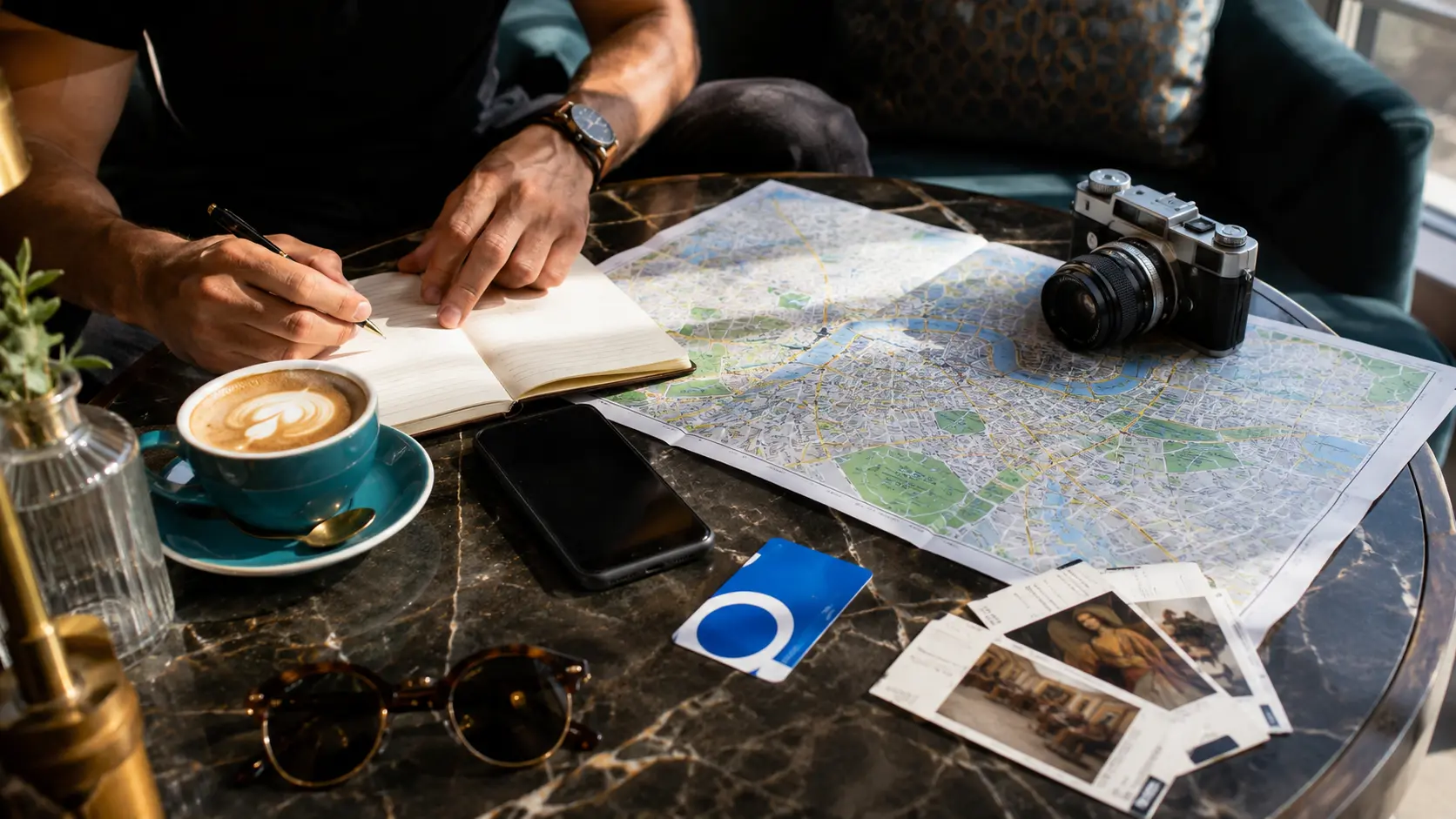
London Travel Mistakes: The Fast Facts Table
These are the numbers behind the ten London travel mistakes that follow. Every figure was verified before publication.
| Fare Item | 2026 Price | Applies To | Notes |
|---|---|---|---|
| Zones 1–2 daily cap | £8.90 | Oyster and contactless | Same peak and off-peak |
| Zones 1–6 daily cap | £16.30 | Oyster and contactless | Covers Heathrow zone travel |
| Zones 1–2 weekly cap | £44.70 | Oyster and contactless | Monday to Sunday, not rolling |
| Bus and tram daily cap | £5.25 | Buses and trams only | Separate from the rail cap |
| Bus single (Hopper) | £1.75 | Buses and trams | Unlimited transfers within 1 hour |
| Oyster card fee | £10.50 | New card purchase | Non-refundable, avoidable |
| Paper single, Zone 1 | £7.00 | Ticket machine purchase | Over double the tapped fare |
| Daily cap window | 04:30–04:29 | All capped travel | Late nights count to prior day |
🔎 TicketsHunters Methodology
Fares and admission prices change, and stale numbers in a travel guide cost readers real money. Every figure here was cross-checked across multiple independently published 2026 sources before publication.
- TfL fare caps, the Oyster card fee, the Hopper fare and paper ticket pricing were confirmed consistently across three separate current fare guides, all reporting identical 2026 figures
- One genuine source conflict arose on Sherlock Holmes Museum admission: an October 2025 page listed £16, while three separate 2026 sources listed £19. We used £19 as the current figure and disclose the discrepancy rather than hiding it
- Free observation deck details, including the 254-metre height of Horizon 22 and its status as London’s highest free viewing platform, were verified against multiple 2026 attraction guides
- Where we could not verify a number to this standard, we describe the pattern instead of publishing a figure. We do not invent prices
TfL has frozen the caps above until at least March 2027, but attraction pricing moves more often. Confirm any admission fee on the venue’s own site before travelling.
1. Buying a Physical Oyster Card or Paper Travelcards
Of all the London travel mistakes on this list, this one costs money fastest — before you leave the airport station.
A standard Oyster card carries a £10.50 non-refundable fee. The Visitor Oyster costs the same, plus a minimum £15 credit load and shipping.
Here is what makes it painful: the fares are identical. Oyster and contactless apply exactly the same caps, the same singles, the same everything.
The Costless Fix: Use Contactless Payment and Mobile Wallets
One genuine exception exists. Railcard holders should use Oyster, because a Railcard discount can be loaded onto Oyster but cannot be applied to contactless payments.
Oyster card fee: £10.50, non-refundable · Visitor Oyster: £10.50 plus minimum £15 credit plus shipping · Contactless: no fee · Fares: identical on both · Paper single, Zone 1: £7.00 · Oyster credit storage limit: up to £90 · Unused credit refund: up to £10 at station machines. Sources: cross-verified across three independent 2026 London fare guides.
No. Buses and trams charge a flat fare, so you tap in only. The Tube, Overground, DLR, Elizabeth Line and National Rail all require tapping both in and out — miss the tap out and the system charges a maximum fare instead of your actual journey.
2. Taking the Underground (Tube) for Short Central London Distances
Central London’s Tube stations sit closer together than almost any visitor expects. The map distorts this badly — it is a schematic, not a scale drawing, and it drives one of the most common London travel mistakes.
Leicester Square to Covent Garden is the classic example. One stop on the Piccadilly line, and a walk of roughly three minutes above ground.
The Tube version takes longer. Stairs down, platform wait, one stop, stairs up — against a straight walk that passes shops, street performers and the actual city.
The Local Secret: Save Time and Money by Walking Zone 1 Routes
Several central walks are genuinely pleasant rather than merely efficient:
- Leicester Square to Covent Garden — roughly three minutes, one Tube stop
- Westminster to the South Bank — across the river, with the best free view of Parliament
- Green Park to Piccadilly Circus — under ten minutes past Fortnum’s windows
- Tower Hill to Tower Bridge — minutes, and the approach is the point
- St Paul’s to Tate Modern — over the Millennium Bridge, one of London’s finest short walks

3. Booking Hotels in Far Out Zones (Zone 6) to Save Money
The nightly rate is not the cost. The nightly rate plus transport plus time is the cost. Hunting budget accommodation London-wide without that arithmetic is where this mistake begins.
A Zone 6 hotel looks cheaper per night. Then two people travel into the centre and back, twice a day, for four days.
Hidden Costs: Calculating Transport Fees vs. Central Accommodations
| Scenario | Daily Cap Needed | 4 Days, 2 People | Time Cost |
|---|---|---|---|
| Zone 1 hotel, walking | Often none | £0–£71.20 | Minimal |
| Zone 1–2 hotel | £8.90 per person | £71.20 | ~20 min per journey |
| Zone 6 hotel | £16.30 per person | £130.40 | ~60–90 min per journey |
| Difference | £7.40 per person daily | £59.20 extra | Hours lost daily |
The zone that genuinely works is often Zone 2 near a fast line: real savings on the room, minimal transport penalty, and a cap you were likely to hit anyway.
For comparing central stays against outer-zone pricing honestly, our Trip.com booking review covers how to filter for genuine transport proximity rather than marketing claims about being “close to central London.”
4. Paying for Sky-High Panoramic Views and Observation Decks
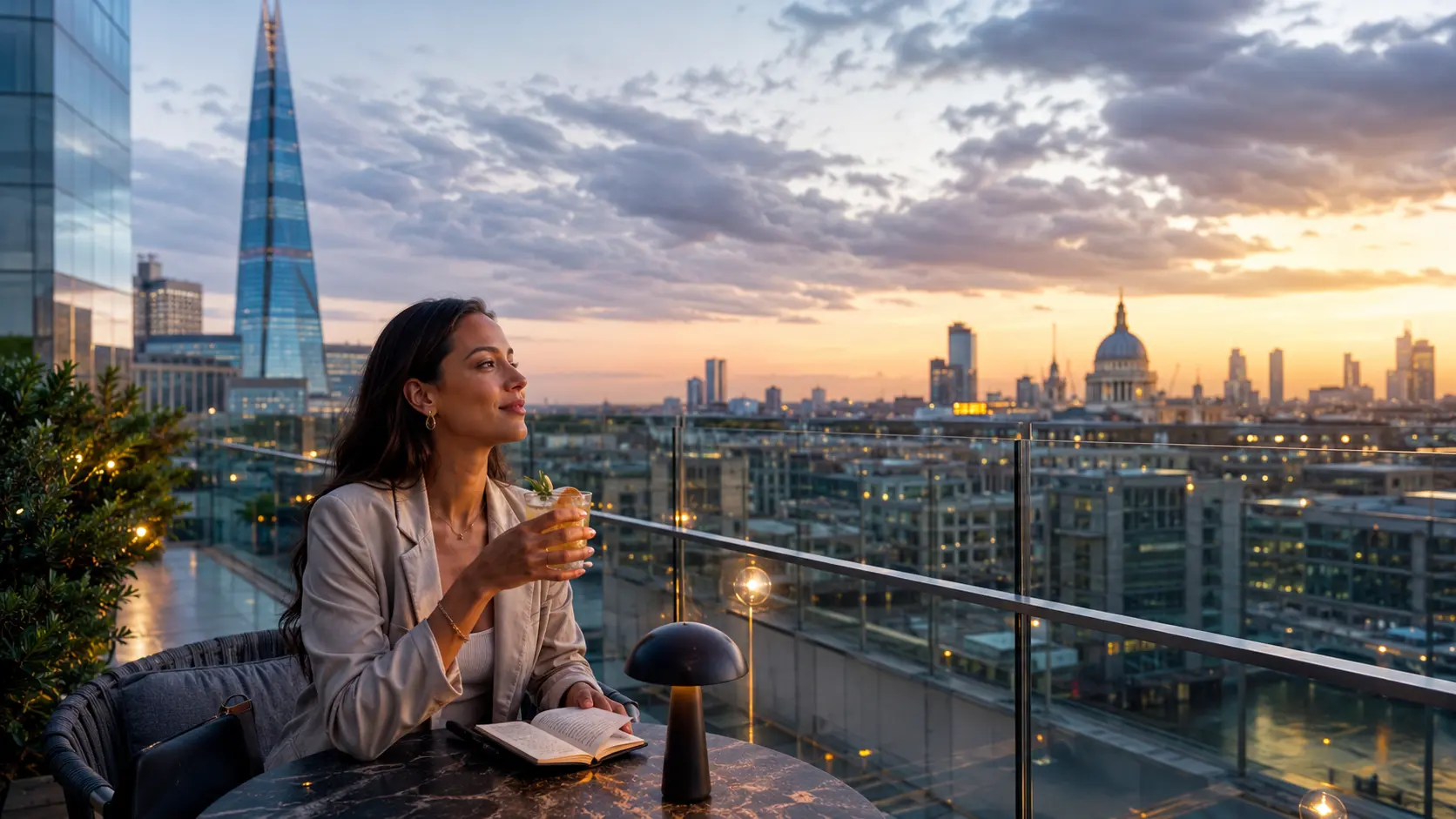
London has three free observation decks, and they cluster within a few minutes’ walk of each other.
Visitors routinely pay substantial sums for a paid viewing platform without knowing this. Among London travel mistakes, it is the single largest avoidable line item in most budgets.
The Free Alternatives: Booking Sky Garden, Horizon 22, or Primrose Hill
| Viewpoint | Cost | Booking | Distinctive Feature |
|---|---|---|---|
| Horizon 22 | Free | Advance, scheduled release | 254 m, London’s highest free deck |
| Sky Garden | Free | Advance, released in batches | Indoor garden, opened 2015 |
| The Lookout, 8 Bishopsgate | Free | Advance booking | Third deck in the same cluster |
| Primrose Hill | Free | None needed | Classic skyline panorama, outdoors |
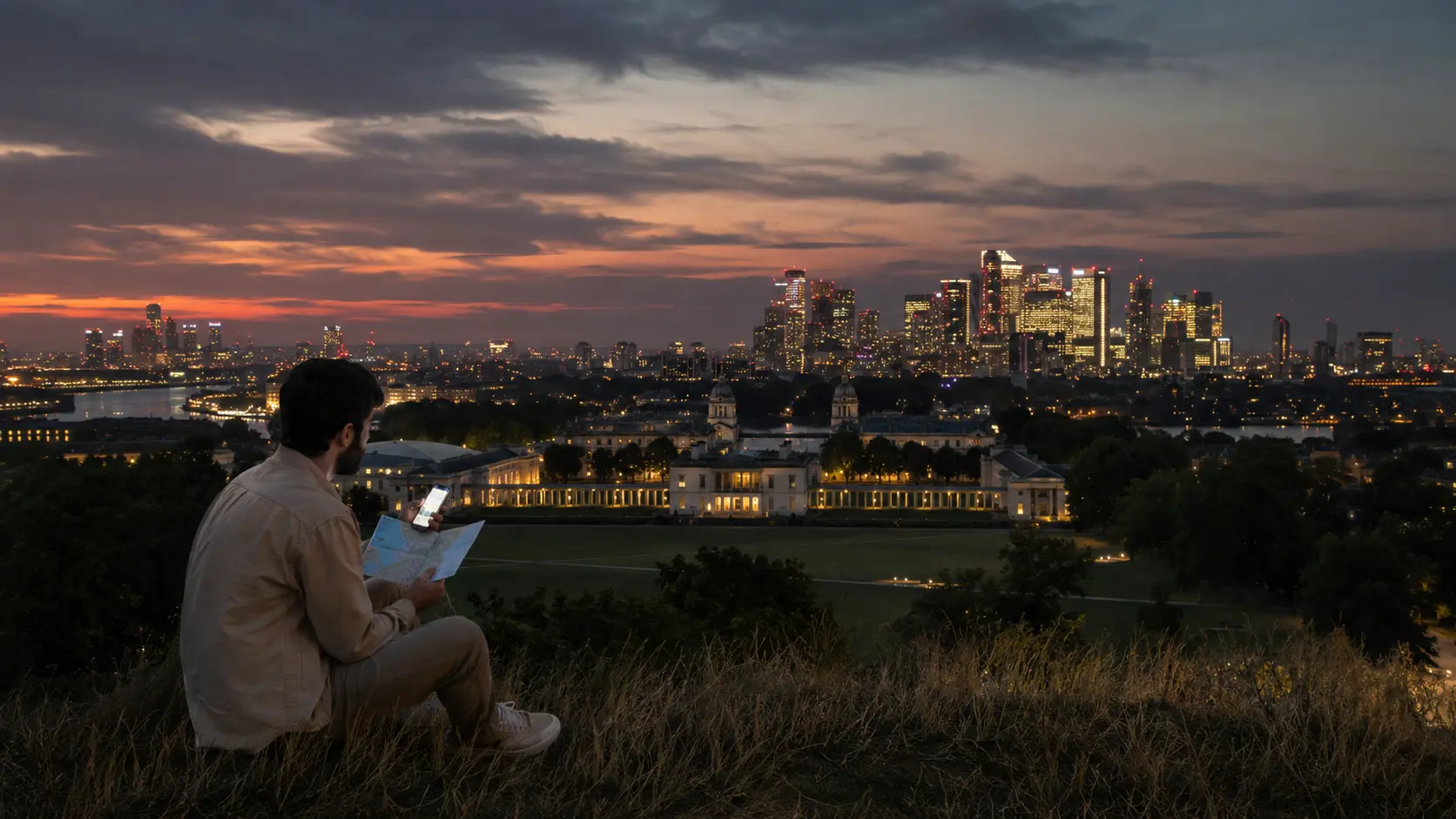
| Greenwich Park | Free | None needed | Canary Wharf and river view |
| Tate Modern terrace | Free | None needed | St Paul’s across the Thames |
Horizon 22: 254 metres above ground, floor-to-ceiling glass spanning roughly 300 degrees, London’s highest free viewing platform, free tickets released on a set schedule · Sky Garden: atop the Walkie Talkie building, opened 2015, public access was a planning permission condition · The Lookout at 8 Bishopsgate: third free deck · Location: all three within a few minutes’ walk near Liverpool Street and Bishopsgate. Sources: cross-verified 2026 London attraction guides.
5. Hailing Traditional Black Cabs for Long Airport Transfers
A black cab from Heathrow to central London is among the most expensive routine journeys available in the city.
The cab itself is superb — knowledgeable drivers, wheelchair accessible, no app required. For a five-minute hop with luggage it is often the right choice, and outside Tube rush hour it can be genuinely quick.
For an airport run, the arithmetic collapses. You are paying premium metered rates to sit in traffic on a route that dedicated rail covers faster.
Smart Ground Transport: Relying on the Elizabeth Line and Heathrow Express
| Option | Relative Cost | Speed | Best For |
|---|---|---|---|
| Elizabeth Line | Lowest, capped | Fast, frequent | Most travelers, most of the time |
| Piccadilly Line | Low, capped | Slowest of the three | Budget priority over speed |
| Heathrow Express | Premium, separate fare | Fastest to Paddington | Tight schedules, Paddington-side stays |
| Black cab | Highest | Traffic-dependent | Heavy luggage, accessibility needs |
| Pre-booked transfer | Fixed, mid-range | Traffic-dependent | Groups, late arrivals, fixed pricing |
A fixed-price pre-booked transfer occupies a useful middle ground — particularly for groups, late arrivals, or anyone who does not want to navigate a rail network after a long-haul flight.
6. Dining at Overpriced Tourist Traps Near Major Landmarks
The rule is unglamorous and almost never wrong: the closer a restaurant sits to a landmark, the worse the value.
Rent drives this, not malice. A site with a view of Parliament costs a fortune to occupy, and that cost arrives on your bill — which is why this ranks among the most repeated London travel mistakes.
Authentic British Cuisine: Exploring Neighborhood Pubs and Food Markets
Where London genuinely delivers:
- Borough Market — the benchmark food market, best on weekday mornings before the crowds
- Neighbourhood pubs — a proper Sunday roast in a back-street pub beats any landmark-adjacent equivalent
- Brick Lane and Spitalfields — curry houses and street food with genuine local trade
- Maltby Street Market — smaller, less discovered, weekend focused
- Chinatown side streets — step off Gerrard Street’s main run and prices drop noticeably

Food-led exploration deserves planning of its own. Our GetYourGuide review covers guided food walks, which are frequently the fastest way to learn a city’s eating geography in one afternoon.
7. Tipping Excessively in Restaurants When Service Charge is Included
This is the quietest of the London travel mistakes — invisible, polite, and expensive.
Most London restaurants add a discretionary service charge, commonly around 12.5 percent, as a separate line above the total.
Visitors from tipping cultures then add another 15 to 20 percent on top. The result is roughly a quarter of the food cost paid in gratuity, unintentionally.
UK Restaurant Etiquette: How to Read the Bill Safely
- Service charge shown: nothing more is expected
- No service charge shown: around 10–12.5% is a normal gesture for table service
- Pubs, ordering at the bar: tipping is not customary at all
- Counter service and takeaway: no tip expected
- Black cabs: rounding up is normal; a percentage tip is not
No. The charge is described as discretionary precisely because it is optional. Asking for its removal is a routine request that staff handle without comment, particularly if service fell short. The only genuine etiquette breach would be doing so aggressively.
8. Relying Solely on Google Maps Instead of Transit-Specific Apps
Google Maps is excellent for walking directions and unreliable for live London transit disruption.
The gap shows up exactly when it matters — a signal failure during rush hour, a partial line closure, a station exit shut for engineering work.
Digital Toolkit: Navigating Live Train Delays with Citymapper
| Need | Best Tool | Why |
|---|---|---|
| Walking directions | Google Maps | Strongest street-level mapping |
| Live Tube disruption | Citymapper | Faster, London-specific alerts |
| Which carriage to board | Citymapper | Exit-optimised boarding guidance |
| Step-free routing | Citymapper or TfL | Accessibility data built in |
| Official service status | TfL app or site | Source of record for closures |
| Offline maps | Google Maps | Download the area before arrival |
Reliable connectivity underpins all of this. Our Airalo eSIM review covers staying connected without roaming charges, which matters more in a city where the correct route changes hourly.
9. Falling Victim to High-Speed Scooter Phone Snatchers
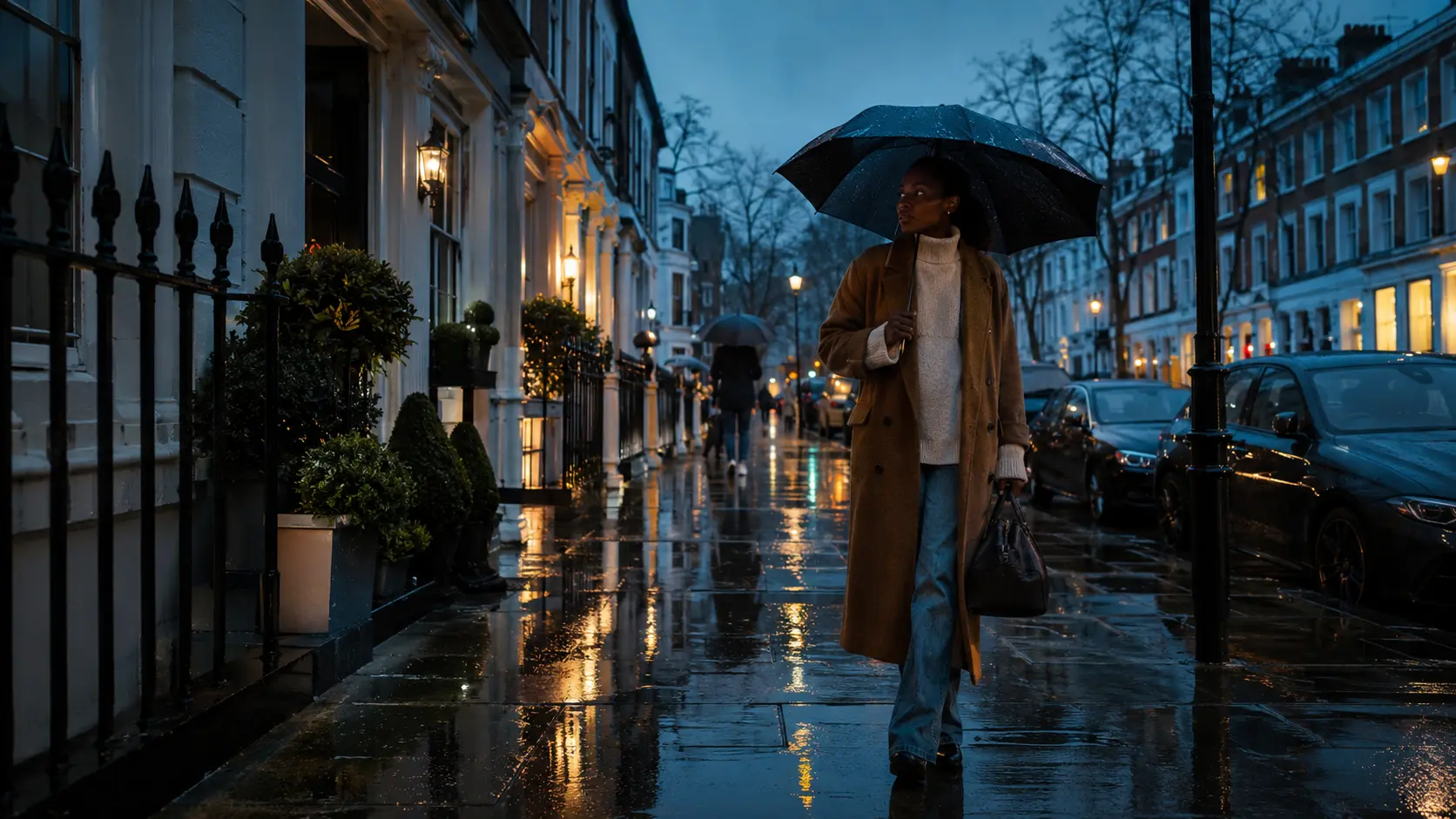
Phone snatching by riders on e-bikes and scooters is a recognised problem in central London, and it is entirely preventable.
Unlike the other London travel mistakes here, this one costs more than money. The pattern is consistent: a phone held loosely near a kerb, a rider approaching from behind, and a snatch executed at speed without stopping.
The targets are predictable too — busy pavements near transport hubs, tourist areas, and anyone standing still while navigating.
Anti-Theft Best Practices: Keeping Smart Devices Safe in Crowded Pavements
🚩 The TicketsHunters Red-Flag Checklist
- Phone out at the kerb edge — the single most common snatch setup in central London
- A restaurant with photographs of the food on the menu board near a major landmark
- A “£10.50 card” being suggested when contactless does the identical job free
- Any attraction ticket bought at the gate without checking online timed-entry pricing first
- A hotel described as “close to central London” without a named Tube station and zone
Two further habits belong here, unrelated to theft but equally local: look right before crossing as a pedestrian, since traffic direction reverses expectations for most visitors, and stand on the right on escalators so walkers can pass on the left.
10. Purchasing Individual Tickets for Major Paid Attractions at the Gate
Start from a fact that reshapes any London budget: the permanent collections at the national museums are free.
The British Museum, National Gallery, Tate Modern, Tate Britain, the V&A, the Natural History Museum and the Science Museum all cost nothing to enter.
Only after accounting for that does it make sense to ask whether a multi-attraction pass earns its price. Skipping that step is the last of our ten London travel mistakes.
Budget Optimization: Evaluating the London Pass vs. Free National Museums
| Traveller Profile | Pass Verdict | Reason |
|---|---|---|
| Museum-focused visitor | Skip the pass | Core collections are already free |
| Two or three paid sites total | Buy individually | Below the pass break-even point |
| Four-plus paid sites in 2–3 days | Pass likely wins | Volume covers the upfront cost |
| Slow traveler, one site daily | Skip the pass | Validity window works against you |
| Family with children | Calculate carefully | Child pricing varies widely by site |
Hidden Corners That Reward Avoiding These London Travel Mistakes
London’s smaller, stranger museums are where the city rewards curiosity, and several cost nothing.
- Sir John Soane’s Museum — an architect’s house left exactly as he arranged it, free entry
- The Wallace Collection — an extraordinary art collection in a townhouse, free
- Leighton House — a Victorian artist’s Arab Hall, ticketed but singular
- Dennis Severs’ House — a candlelit time capsule in Spitalfields, ticketed
- The Sherlock Holmes Museum — 221B Baker Street, ticketed, detailed below
Adult admission: £19 · Concessions: £17 · Children under 16: £14 · Under 6: free · Opening time: 09:30 · Address: 221B Baker Street · Established: 1990 · Free access: the Victorian-styled ground floor gift shop can be entered without a ticket · Quietest window: weekday mornings at opening. Source note: three separate 2026 sources reported £19; an October 2025 page listed £16, which we treat as superseded.
London Travel Mistakes: What Each One Actually Costs
Here is the full financial picture of these London travel mistakes, side by side with the cost of fixing each.
|———————————-|——————-|———-|
| Buying an Oyster card | GBP 10.50 wasted | GBP 0 |
| Paper single vs tapping (Zone 1) | GBP 7.00 vs ~3.00 | GBP 0 |
| Zone 6 hotel, 4 days, 2 people | GBP 59.20 extra | GBP 0 |
| Paid deck vs free deck | Deck fare wasted | GBP 0 |
| Double-tipping at 12.5% service | ~12.5% extra | GBP 0 |
| Gate tickets vs advance online | Varies by venue | GBP 0 |
Every fix for these London travel mistakes costs nothing. This is not a guide about spending more carefully. It is a guide about not spending at all on things London gives away.

Who These London Travel Mistakes Hit Hardest
Not every traveller loses money the same way. These London travel mistakes cluster by visitor type.
| Traveller Type | Biggest Risk | Priority Fix |
|---|---|---|
| First-time visitors | Oyster fee and paper tickets | Tap contactless from the airport |
| Families | Gate tickets and outer-zone hotels | Book timed entry, stay Zone 1–2 |
| US and Canadian visitors | Double-tipping on service charge | Read the bill before paying |
| Short weekend breaks | Tube for walkable distances | Walk anything under 20 minutes |
| Budget travelers | Paying for skyline views | Book free decks in advance |
| Solo travelers | Phone snatching at kerbs | Never navigate at the road edge |
| Travelers needing step-free access | Assuming all stations are accessible | Use Citymapper step-free routing |
The Complete Checklist to Avoid London Travel Mistakes
Ten checks, each one closing a specific mistake covered above.
- Bring a contactless card or phone wallet — skip the Oyster fee entirely
- Confirm your hotel’s nearest station and zone before comparing nightly rates
- Book free observation decks the moment tickets release
- Download Citymapper and offline maps before you land
- Check which museums are free before buying any attraction pass
- Reserve timed entry for ticketed sites rather than queuing at the gate
- Plan the Elizabeth Line for Heathrow unless luggage or schedule dictates otherwise
- Read every restaurant bill for an included service charge
- Keep your phone away from kerb edges in crowded central areas
- Look right before crossing and stand right on escalators
Flights into London reward the same advance-planning discipline. Our Aviasales flight search review covers fare comparison, and our Viator review covers booking guided experiences without paying gate prices.
London: Honest Pros & Cons for Budget Travelers
✓ What London Gives Away Free
- National museum permanent collections cost nothing
- Three free observation decks with genuine skyline views
- Royal parks, markets and riverside walks
- Fare caps limit daily transport spending automatically
- Walkable central core rewards exploration on foot
- Changing of the Guard and street performance
✗ Where London Costs Real Money
- Central accommodation is genuinely expensive
- Landmark-adjacent dining carries a heavy rent premium
- Ticketed attractions add up faster than expected
- Airport transfers by road are costly and slow
- Service charge plus tipping confusion inflates bills
- Paper tickets cost more than double the tapped fare

Ticketshunters Verdict on London Travel Mistakes
★ TicketsHunters Verdict: London 2026
London is not an expensive city. It is a city that charges you for not knowing things. Every one of these London travel mistakes has a fix that costs nothing, and most take under a minute to apply.
The pattern across all ten is identical. The default option — buying the card, taking the train, sitting at the landmark restaurant, paying at the gate — is consistently the expensive one, and the alternative is consistently free or cheaper.
Tap what you already own. Walk what is walkable. Book the free decks early. Read the bill. Those four habits are worth more than any discount card sold to visitors.
Verdict — A world-class city with a genuinely generous free layer, wrapped in defaults designed for people in a hurry. TicketsHunters independent analysis, June 2026.
Frequently Asked Questions About London Travel Mistakes
The questions readers ask most often about avoiding costly London travel mistakes, answered directly.
📑 Summary Box — London Travel Mistakes 2026 in Six Lines
The single costliest error: Buying a physical Oyster card for £10.50 when contactless charges identical fares for free.
Verified fare caps: £8.90 daily Zones 1–2, £16.30 daily Zones 1–6, £44.70 weekly Zones 1–2, £5.25 bus and tram only — all frozen until at least March 2027.
Free skyline views: Horizon 22 at 254 metres, Sky Garden and The Lookout at 8 Bishopsgate, all requiring advance booking and clustered near Liverpool Street.
Free culture: Permanent collections at the British Museum, National Gallery, Tate, V&A, Natural History Museum and Science Museum cost nothing to enter.
Tipping rule: If a discretionary service charge appears on the bill, no further tip is expected — and the charge can be removed on request.
TicketsHunters verdict: Every fix in this guide is free. London charges visitors for not knowing, not for being there.
Related TicketsHunters Guides
- 🎟 Viator Review: Tours & Activities Compared
- ✈ Aviasales Review: Cheap Flight Search
- 🚗 AutoEurope Review: Car Rentals for UK Day Trips
- 🏙 GetYourGuide Review: Unforgettable Tours
- 🏨 Trip.com Direct Review: Global Booking
- 🚅 HopeGoo Review: Bullet Trains & Luxury Hotels
- 📱 Airalo Review: Global eSIM Data
TfL fare caps, Oyster card fee, Hopper fare and paper ticket pricing cross-verified across three independently published 2026 London fare guides reporting identical figures · Transport for London official fares and capping documentation · National Rail guidance on Oyster, contactless and Travelcard validity · Free observation deck details including Horizon 22 height and status verified across multiple 2026 London attraction guides · Sherlock Holmes Museum 2026 admission cross-checked across three separate 2026 sources, with one superseded October 2025 figure disclosed in the Methodology box · TicketsHunters independent editorial research, June 2026 · Last Updated: 29 June 2026 | Author: TicketsHunters Travel Research Team
Disclosure: This article contains affiliate links. TicketsHunters may earn a commission at no additional cost to you. Fares, admission prices and opening times were cross-verified before publication, and where sources conflicted we disclose which figure we used and why. Prices change — confirm on the official venue or operator site before travelling. This is independent travel intelligence, not sponsored content. | Last Updated: 29 June 2026 | Author: TicketsHunters Travel Research Team