Sacred Destinations Travel Guide 2026: The Honest Blueprint (Across Six Faith Traditions)
Five members of our editorial team have visited, across separate journeys over the past four years, all of the major sites in this Sacred Destinations Travel Guide: the Vatican at dawn before the crowds arrive, the Western Wall at Friday sunset, the Ganga ghats at Varanasi in the hour before the aarti ceremony, the Mahabodhi Temple in the pre-monsoon first light, and the forested path to Ise Grand Shrine at six in the morning. The common thread is not faith — our team represents five different spiritual backgrounds — but rather the particular quality of attention these places demand and the planning mistakes that consistently undermine visits to them.
This Sacred Destinations Travel Guide is built from that direct experience: honest about access restrictions, dress codes and the difference between a meaningful visit and an expensive disappointment. It covers Christianity, Islam, Judaism, Hinduism, Buddhism and Shinto — the six traditions that define the world's most visited pilgrimage destinations — with separate sections for each and a common framework for booking, timing and respectful travel.
⚡ Quick Answer — Sacred Destinations Travel Guide 2026
The world's most important sacred destinations by faith tradition: Christianity — Vatican City and Jerusalem; Islam — Mecca and Medina (Muslims only) and Jerusalem; Judaism — Jerusalem's Western Wall; Hinduism — Varanasi on the Ganges; Buddhism — Bodh Gaya in Bihar, India; Shinto — Ise Grand Shrine and Miyajima, Japan. Key access rule: Mecca and Medina are accessible to Muslims only by law. All other destinations in this guide are open to visitors of any faith. Most common mistake: arriving without understanding dress codes — you will be turned away from the Vatican, Jerusalem synagogues, Hindu temples and Shinto shrines without appropriate attire.
🌟 Key Takeaways
- Mecca and Medina's haram zones are strictly closed to non-Muslims — this is enforced by Saudi law, not suggestion
- St. Peter's Basilica entry is free; Vatican Museums require a ticket (€20–40), bookable 60 days ahead
- The Western Wall in Jerusalem is free to visit and open to all faiths, but gender-segregated in the prayer area
- Varanasi is best experienced November–February; the Ganga Aarti ceremony occurs every evening at sunset year-round
- Bodh Gaya is accessible via Gaya Airport (domestic connections); foreigners need a standard Indian e-Visa
- Ise Grand Shrine and Miyajima are free to enter and open to all visitors; inner sanctuaries are closed to all
- Dress codes are enforced at every site in this Sacred Destinations Travel Guide — confirm before departure, not at the entrance gate
Sacred Destinations Travel Guide: Christianity — Vatican & Jerusalem
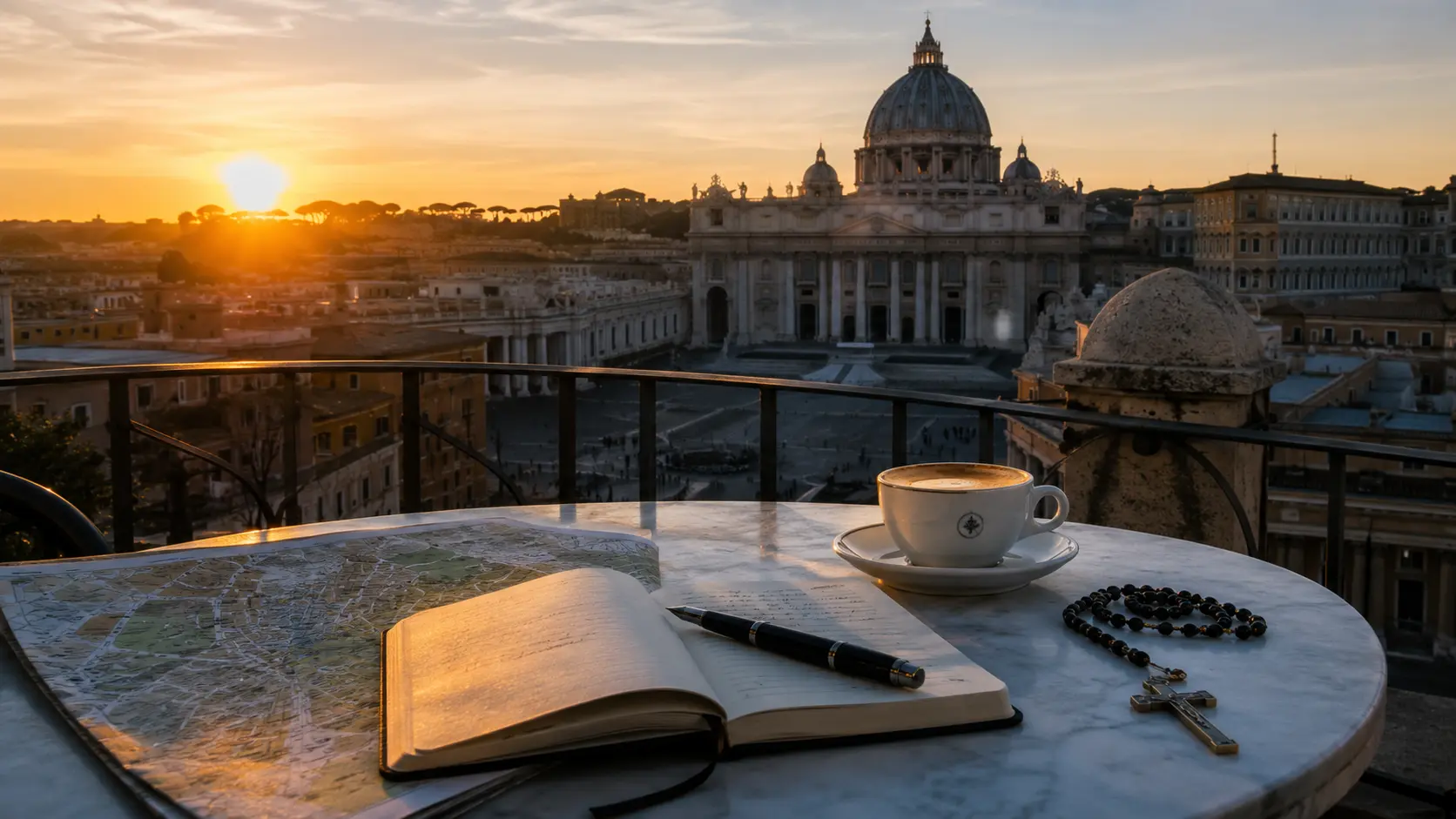
Vatican City: The World's Most Visited Sacred Site
Vatican City receives approximately 6 million visitors per year to St. Peter's Basilica alone, making it the single most visited sacred destination on Earth by visitor count. The key planning distinction most visitors miss: entry to the basilica is free; entry to the Vatican Museums and Sistine Chapel is not, and the queue for unbooked visitors outside the Museums regularly exceeds 3–4 hours in peak season. A pre-booked timed ticket (€20–40) bypasses this entirely.
St. Peter's Basilica entry: Free, no ticket required. Dress code: Shoulders and knees covered — strictly enforced; no exceptions, no on-site cover-ups available for purchase. Vatican Museums + Sistine Chapel: €20 standard, €40 early morning guided access. Climbing the Dome: €8 (stairs) or €10 (elevator + stairs). Opening hours (summer 2026): Basilica 7:00–19:00; Museums 09:00–18:00 (last entry 16:00). Best time: First 90 minutes after opening (7–8:30am at the basilica) for minimum crowds. Audio guide: €7, recommended for the basilica's art historical narrative.
Jerusalem: The Sacred City Shared by Three Faiths
Jerusalem's Old City — less than one square kilometre — contains within its walls sites of supreme significance to Christianity, Islam and Judaism simultaneously. The Church of the Holy Sepulchre, the Temple Mount/Al-Haram al-Sharif complex, and the Western Wall can all be visited on foot in a single day, though each deserves far more time than that implies.
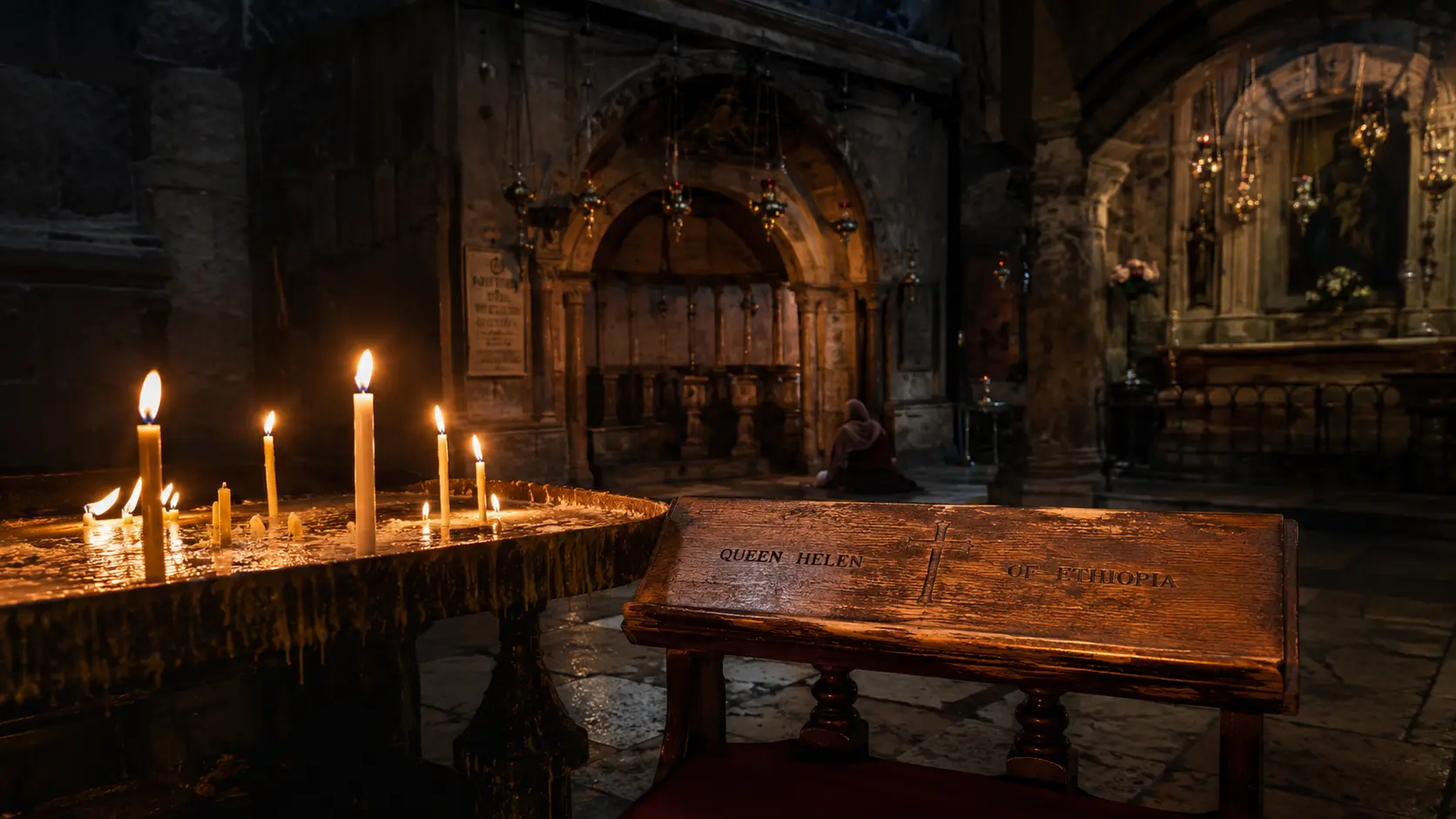
Church of the Holy Sepulchre: Honest Planning Notes
- Entry: Free; no tickets, no advance booking. Entry is by standing queue.
- Best time: 6–8am before tour groups, or 45 minutes before closing (usually 8pm).
- Six denominations share custody: Greek Orthodox, Catholic, Armenian Apostolic, Coptic, Ethiopian and Syriac. This creates a complex, occasionally contentious shared schedule — and remarkable human depth.
- Dress code: Modest dress required; shoulders and knees covered. Shorts are not permitted.
- Photography: Permitted in common areas; some chapels prohibit photography — look for signs.
Sacred Destinations Travel Guide: Islam — Mecca, Medina & Al-Aqsa
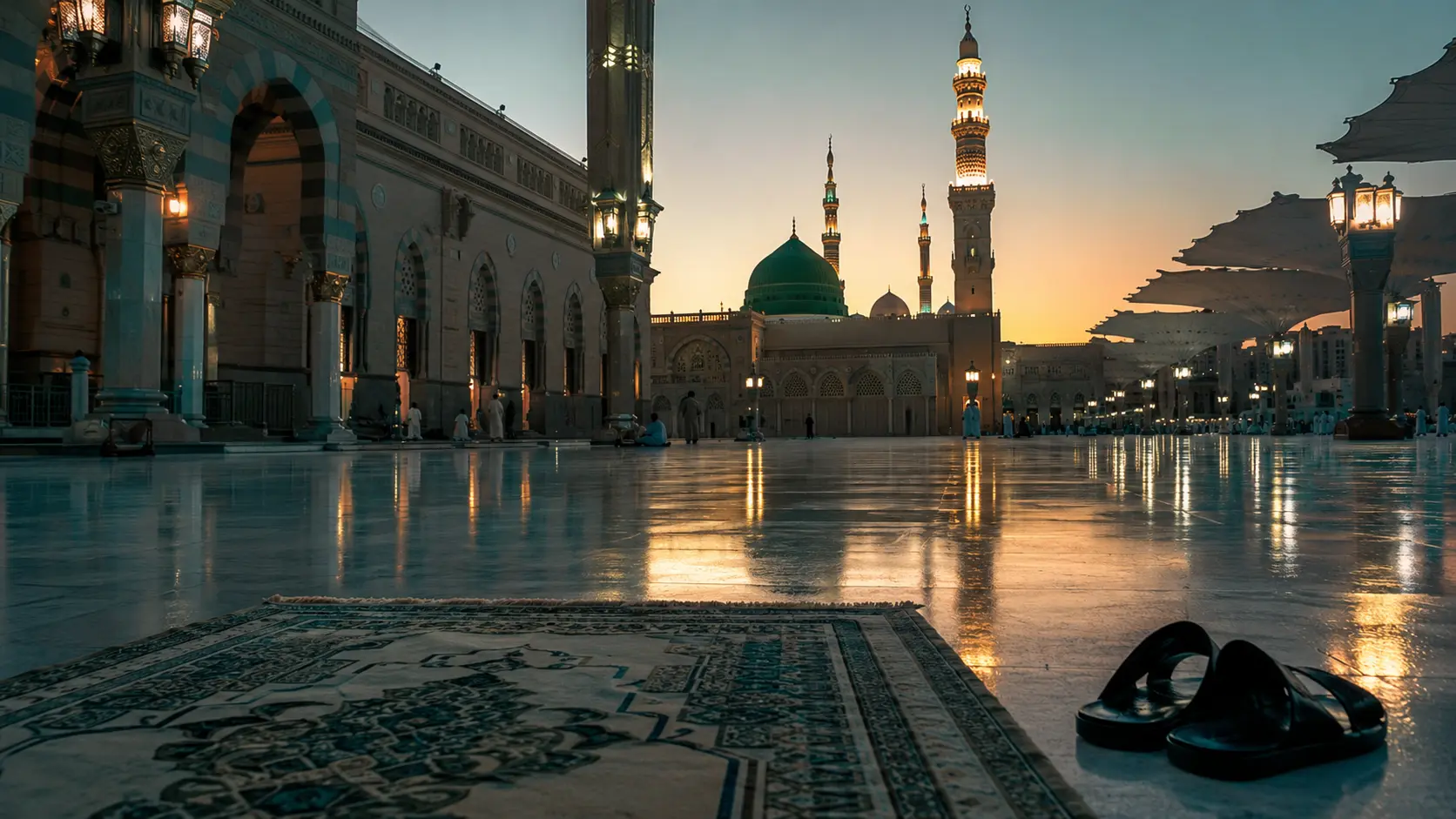
Mecca (Al-Masjid al-Haram) — For Muslim Visitors
For Muslim pilgrims, Mecca is the centre of the world — the Kaaba in the centre of al-Masjid al-Haram is the direction towards which all daily prayers are directed, and the Hajj pilgrimage to Mecca is one of the Five Pillars of Islam. The scale of the site is difficult to convey from outside: the Grand Mosque now accommodates up to 2.5 million simultaneous worshippers, following decades of Saudi government expansion, and the annual Hajj draws 2–3 million pilgrims from across the world.
The Hajj season occurs during the Islamic month of Dhul Hijjah. In 2026, Hajj falls approximately in late May. Access for non-Saudi Muslims requires a Hajj visa issued by the Saudi government, available through officially designated travel agencies in each country. Umrah (the lesser pilgrimage, performable at any time of year) requires a separate Umrah visa. Saudi Arabia's Nusuk platform handles digital Hajj and Umrah registration and permit allocation.

Al-Aqsa Mosque, Jerusalem — Open to Non-Muslim Visitors at Specified Times
The Al-Aqsa Mosque compound (Haram al-Sharif to Muslims; Temple Mount to Jews) in Jerusalem is one of the most politically sensitive sites in the world and simultaneously one of the most important in Islamic tradition — it is the third holiest site in Islam. Non-Muslim visitors are permitted to enter the compound at specific times through the Mughrabi Gate, but not into the Al-Aqsa Mosque or the Dome of the Rock themselves. Times and access conditions change frequently and should be confirmed locally before visiting. For visa requirements for Israel and the Palestinian territories, our flights and hotels guide for the region covers the current booking landscape.
Sacred Destinations Travel Guide: Judaism — Western Wall & Beyond
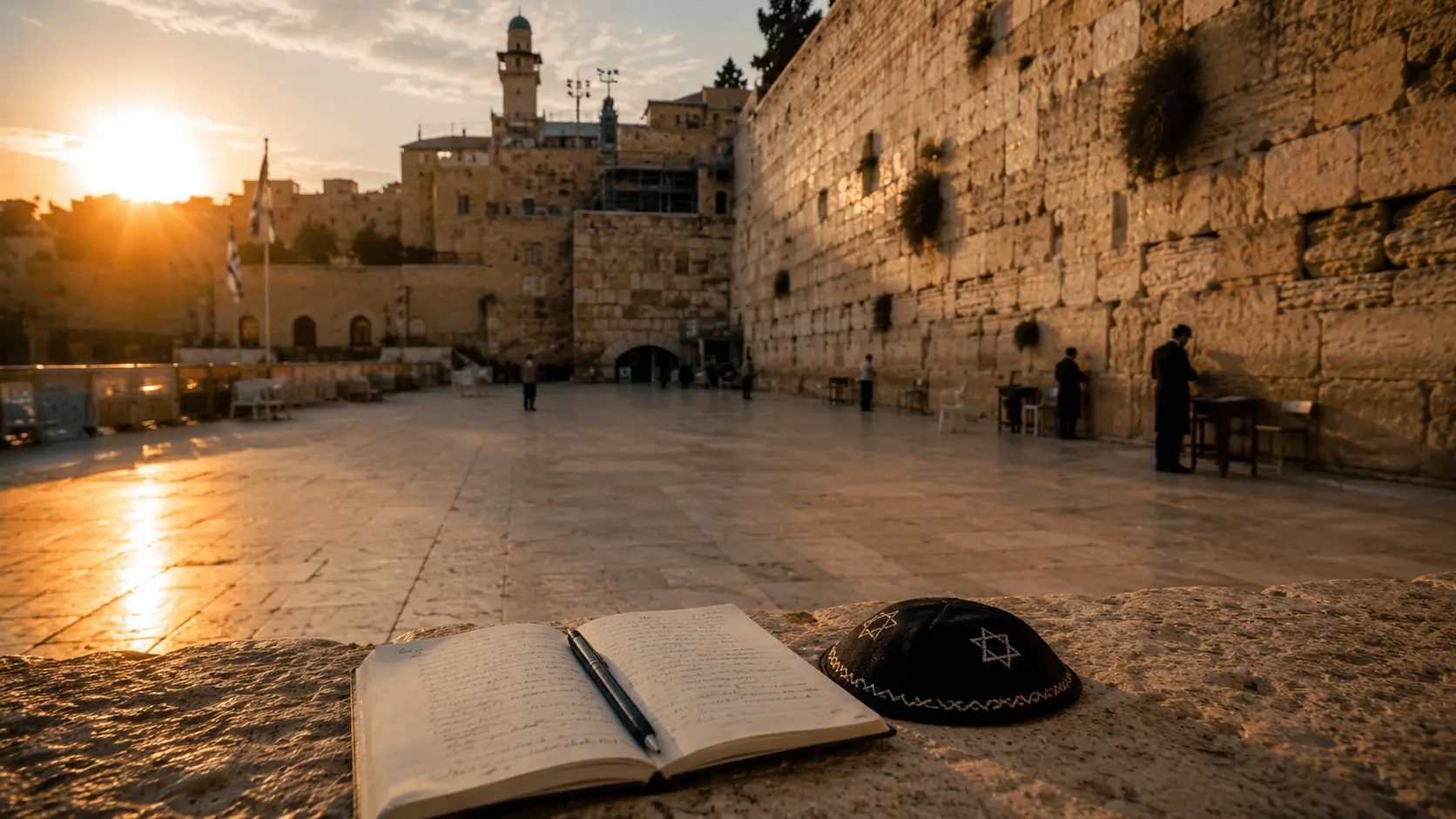
The Western Wall (HaKotel) in Jerusalem's Old City is the most sacred accessible site in Judaism — the eastern retaining wall of the Second Temple Mount. Entry to the Western Wall plaza is free and open to all visitors of any faith. The prayer area is gender-segregated: the southern section is the men's section (larger), and the northern section is the women's section. Men are required to cover their heads (kippahs available at the entrance), and both sections require shoulders and knees to be covered. Photography is permitted in the plaza but not during the Shabbat (Friday sunset to Saturday nightfall).

Jewish Sacred Sites Beyond Jerusalem
- Safed (Tzfat), northern Israel: The centre of Jewish mysticism (Kabbalah), with medieval synagogues, an artists' quarter, and a spiritual quietness unlike the intensity of Jerusalem.
- Cave of Machpelah, Hebron: Revered as the burial site of Abraham and Sarah, Isaac and Rebecca, Jacob and Leah — shared by Judaism and Islam, divided into separate access areas. Politically complex and access conditions change regularly.
- Masada, Dead Sea region: Technically archaeological rather than religious, but deeply embedded in Jewish historical and spiritual identity — the fortress of the last Jewish revolt against Rome. UNESCO World Heritage Site.
For airport transfer logistics in and out of Tel Aviv's Ben Gurion Airport, our Intui global airport transfers review covers the pre-booked private transfer options that significantly reduce arrival stress after long-haul flights into Israel.
Sacred Destinations Travel Guide: Hinduism — Varanasi and India's Sacred Cities

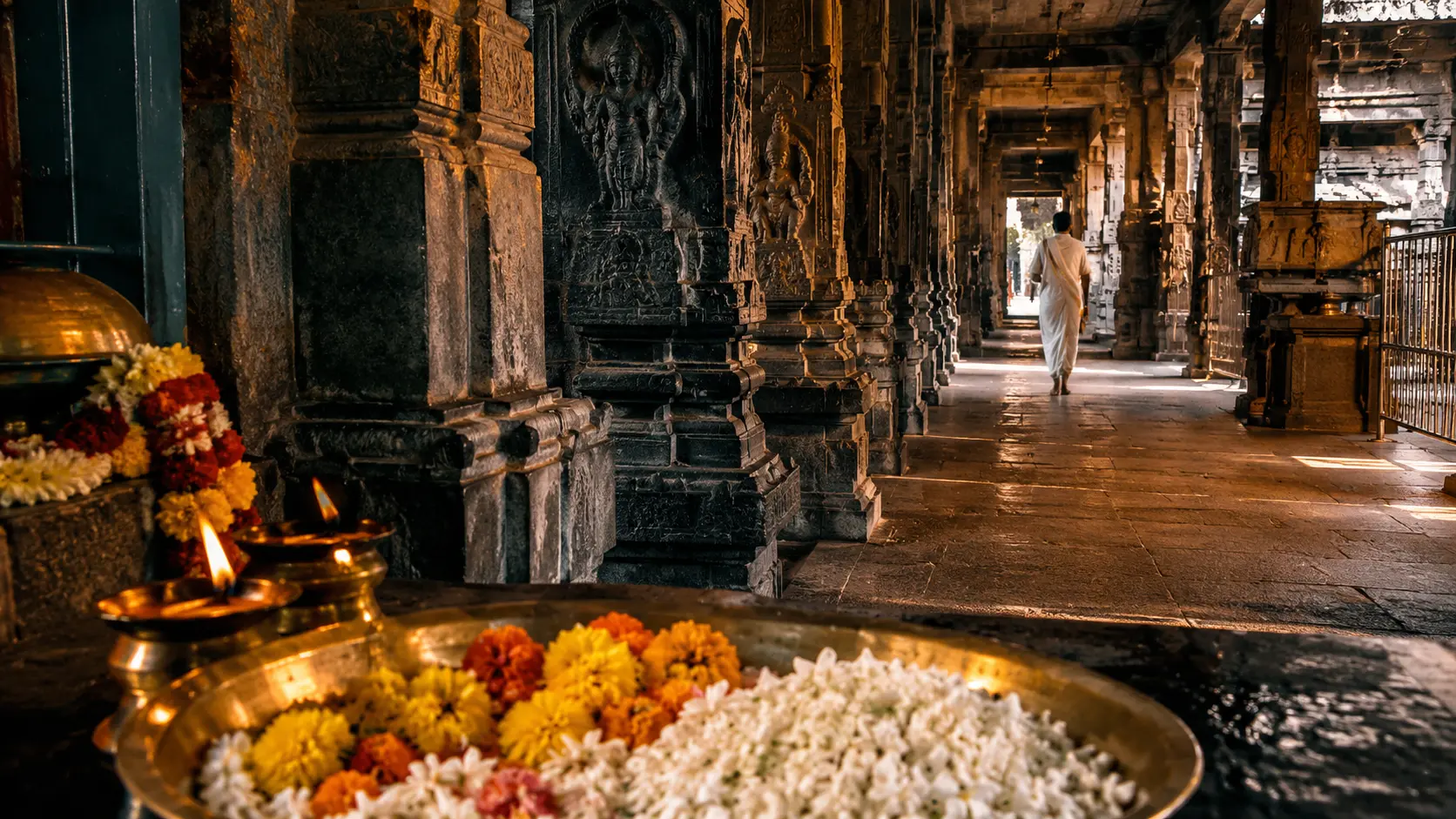
Varanasi — also known as Kashi or Benares — is the most sacred city in Hinduism. Hindus believe that dying in Varanasi and having one's ashes committed to the Ganges guarantees moksha (liberation from the cycle of rebirth). This theological weight produces a city unlike any other on Earth: a place where cremations occur continuously at the Manikarnika Ghat, where pilgrims bathe at dawn regardless of season, and where the evening Ganga Aarti ceremony at Dashashwamedh Ghat — fire, incense, bells and prayer offered to the river — takes place every single evening of the year.
Minimum visit: 2 days to experience the dawn ghats and the evening Ganga Aarti. 3–4 days for a fuller experience including the older city lanes (the galis). Best arrival: By train from Delhi (8–12hrs, Shatabdi/Rajdhani) or domestic flight to Varanasi Lal Bahadur Shastri Airport (VNS). Ghat boat rental: ₹200–500/hour for a private wooden boat at dawn — essential for seeing the ghats properly. Ganga Aarti timing: Begins at sunset, approximately 30 minutes. Arrive 45 minutes early for a seated position. Photography at Manikarnika Ghat: Avoid or seek explicit permission. Photographing cremations is deeply disrespectful and can cause confrontation.
Key Hindu Sacred Destinations Beyond Varanasi
| Site | Location | Significance | Non-Hindu Access | Best Season |
|---|---|---|---|---|
| Varanasi | Uttar Pradesh | Holiest city in Hinduism | ✅ Full access (ghats) | Nov–Feb |
| Tirupati (Venkateswara) | Andhra Pradesh | Most-visited sacred site globally | Hindus only (inner sanctum) | Sep–Feb |
| Puri (Jagannath) | Odisha | One of the Char Dhams (4 holy abodes) | Hindus only (temple premises) | Oct–Mar |
| Amritsar (Golden Temple) | Punjab | Holiest site in Sikhism | ✅ Open to all faiths | Oct–Mar |
| Mathura & Vrindavan | Uttar Pradesh | Birthplace of Krishna | ✅ Full access (most temples) | Oct–Mar |
For ground transport between India's sacred cities — including the Varanasi–Bodh Gaya corridor, Mathura–Agra connections and overnight trains between major pilgrimage hubs — our comprehensive 12GO Asia transport review covers the booking strategy for Indian rail, bus and private car services that connects the Buddhist circuit and the Hindu sacred city network efficiently.
Sacred Destinations Travel Guide: Buddhism — Four Holy Sites of the Dharma
Buddhism's four most sacred pilgrimage sites correspond to the four key events in the Buddha's life: Lumbini (birthplace, Nepal), Bodh Gaya (enlightenment, India), Sarnath (first teaching, near Varanasi, India), and Kushinagar (passing, India). All four are accessible to visitors of any faith, and all four can be connected in a single overland circuit — the Buddhist pilgrimage circuit through Bihar and Uttar Pradesh, crossing the Nepal border at Sunauli for Lumbini.
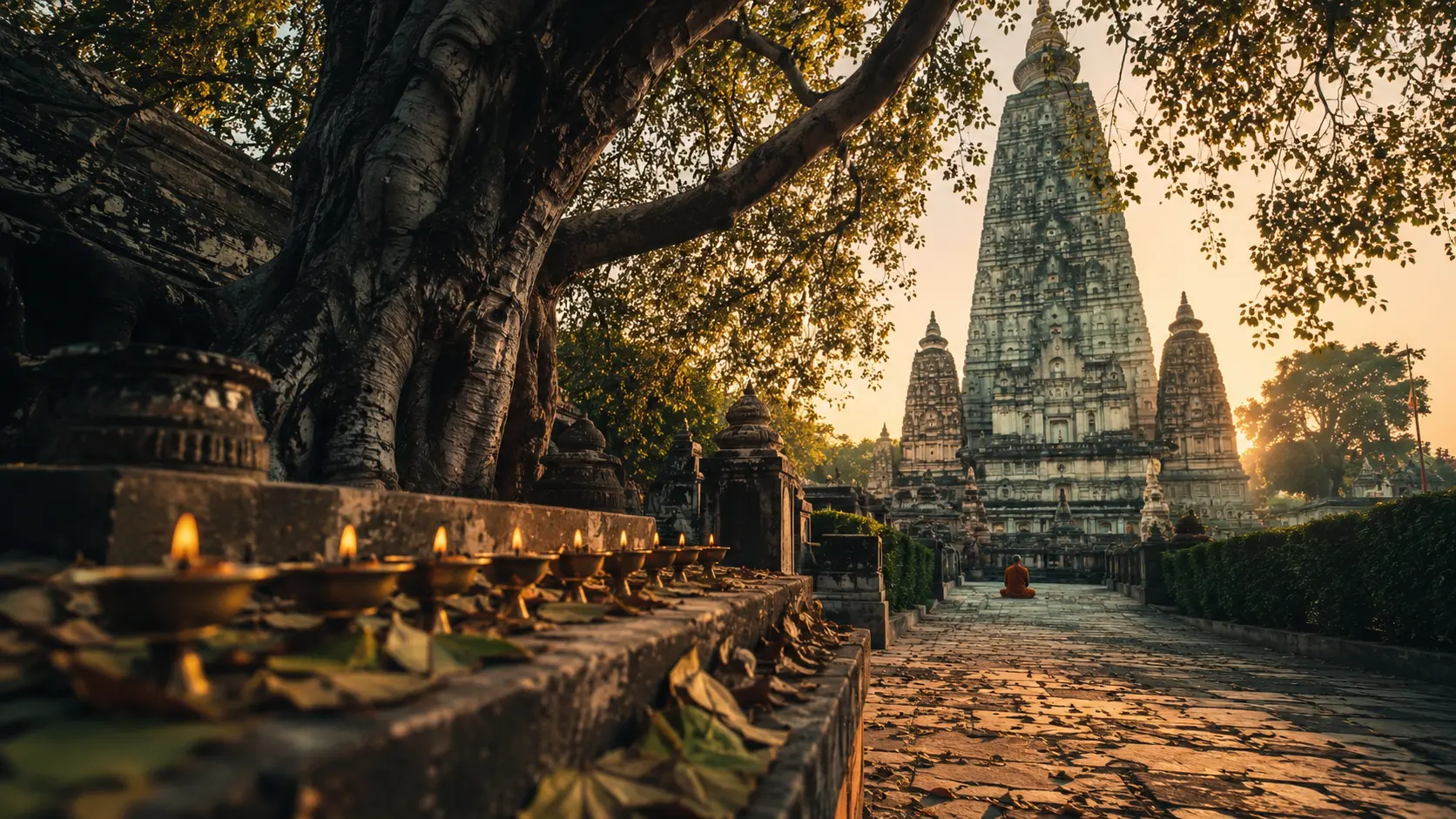
The Mahabodhi Temple complex is jointly administered by the Bodhgaya Temple Management Committee (a government body) and the local Hindu Mahant. Entry fee: ₹200 for foreign nationals. Photography restrictions: the main sanctum prohibits cameras; the outer complex allows photography. The Bodhi Tree in the compound is believed to be a direct descendant of the original tree under which the Buddha attained enlightenment. Bodh Gaya is in Bihar, approximately 13km from Gaya city. Access: Gaya Airport (GAY) receives domestic flights from Delhi, Kolkata and Varanasi; Gaya Junction railway station is the primary rail hub.
Himalayan Buddhist Monasteries: The Sacred Destinations Beyond the Four Holy Sites
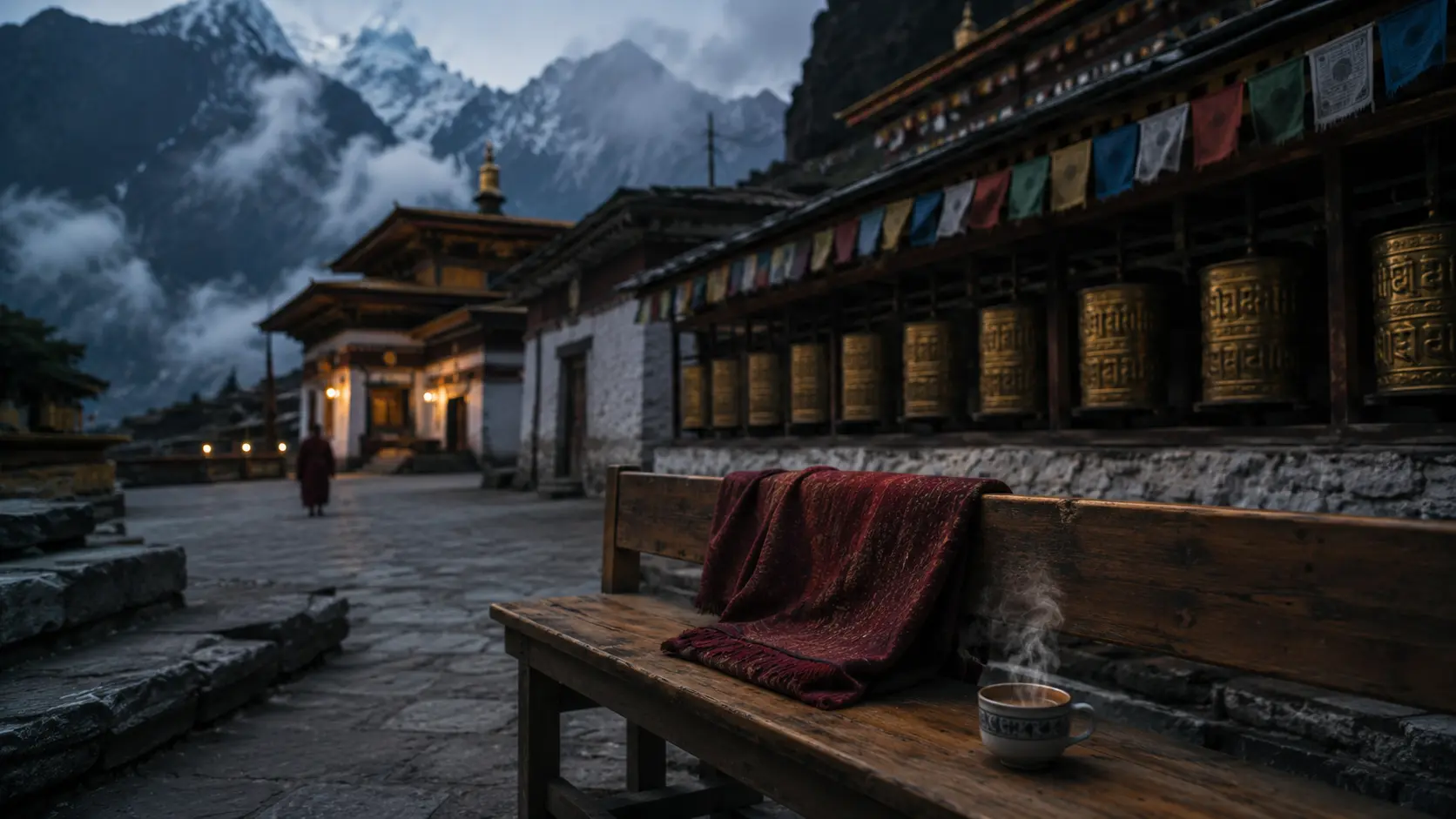
The Sacred Destinations Travel Guide's extended Buddhist section covers the Himalayan monastery circuit of Ladakh (India), Spiti Valley (Himachal Pradesh), Bhutan, and the Kathmandu Valley (Nepal) represents the highest-altitude and arguably most visually dramatic tier of Buddhist sacred destinations. Tabo Monastery in Spiti (established 996 CE) is one of the oldest continuously inhabited Buddhist monasteries in the world. Hemis Monastery in Ladakh holds the largest thangka (sacred scroll painting) in India, displayed publicly only once every twelve years.
For flight and overland transport planning for this region, including the Kathmandu–Gaya–Varanasi pilgrimage circuit, our travel packages review covers the bundled itinerary options that serve the Buddhist circuit most efficiently, and our flight deals guide for 2026 details the best route combinations into Gaya, Kathmandu and Lhasa (where accessible).
Sacred Destinations Travel Guide: Shinto — Japan's Sacred Sites

Ise Grand Shrine (Ise Jingū) in Mie Prefecture is the most sacred site in Shinto, dedicated to the sun goddess Amaterasu and maintained continuously for more than 2,000 years. Unlike many sacred destinations in this guide, Ise is freely open to all visitors regardless of faith. The inner sanctuaries where the sacred mirror is housed are closed to all but the highest priests, but the architectural approach through ancient forest and the ritual atmosphere of the outer grounds are fully accessible. No fee is charged.
Miyajima's Itsukushima Shrine: The Most Photographed Sacred Site in Japan

Miyajima Island (Itsukushima) in Hiroshima Bay contains the Itsukushima Shrine, designated a UNESCO World Heritage Site and one of Japan's most iconic images. The great torii gate, partially rebuilt in 2022 after restoration work, stands in the tidal flats. At high tide the gate appears to float on the sea; at low tide visitors can walk across the tidal flats to its base. The shrine itself charges ¥300 entry. The island is reached by a 10-minute ferry from Miyajimaguchi.
For Japan transport booking — including the Shinkansen to Hiroshima/Miyajima and the regional rail to Ise — our flight deals guide for Asia covers the most cost-effective approaches from major Asian hubs into Kansai (KIX) and Nagoya (NGO) airports for Ise and Hiroshima visits.
Sacred Destinations Travel Guide: The Ethics of Visiting Holy Sites
This section of the Sacred Destinations Travel Guide addresses something most itinerary books skip: visiting sacred destinations as a non-adherent outsider requires a specific kind of attention that this guide addresses directly. Sacred sites are not museums. They are living places of active worship, often carrying centuries of spiritual continuity that the tourist visit intersects for only an hour. The behaviours that most consistently cause offence — and occasionally confrontation — across every tradition in this guide are photographing people at prayer without permission, wearing inappropriate clothing, speaking loudly in prayer spaces, and treating ceremonies as performances for the visitor's consumption rather than acts of devotion.
Sacred Destinations Travel Guide 2026: Honest Cost & Access Comparison
| Destination | Entry Fee | Min. Days | Flight Hub | Accommodation (per night) |
|---|---|---|---|---|
| Vatican, Rome | Basilica free; Museums €20–40 | 1–2 | FCO/CIA | €90–250 |
| Jerusalem (Old City) | Free (most sites) | 3–5 | TLV | €60–200 |
| Mecca / Medina | Muslims only; Hajj visa required | 5–10 | JED/MED | SAR 300–1,500 |
| Varanasi | Free (ghats) | 2–4 | VNS | ₹1,500–8,000 |
| Bodh Gaya | ₹200 foreigners | 2–3 | GAY | ₹1,200–5,000 |
| Ise Grand Shrine | Free | 1–2 | NGO/KIX | ¥8,000–25,000 |
| Miyajima (Itsukushima) | ¥300 shrine | 1 | HIJ | ¥10,000–35,000 |
Sacred Destinations Travel Guide 2026: Pre-Departure Checklist
- Confirm access rules for non-adherents at every site before booking flights — several sites in this guide restrict entry
- Verify visa requirements for India (e-Visa), Israel, Saudi Arabia and Japan well in advance
- Pack appropriate clothing for every destination on the itinerary: shoulders covered, knees covered, head covering available
- Pre-book Vatican Museums tickets up to 60 days ahead — walk-up queues regularly exceed 3–4 hours in peak season
- Book Tirupati darshan tickets months ahead if visiting the inner sanctum — demand far outstrips daily capacity
- Organise Indian e-Visa at least 72 hours before departure — processing is online but requires lead time
- Buy an eSIM before departure for India, Israel and Japan — local SIMs require registration documents and can be slow to activate
- Arrange airport transfers in advance for Tel Aviv, Gaya and Varanasi — where pre-booked transfers consistently outperform on-arrival negotiation
- Leave cameras in the bag during any prayer, ceremony or active worship you witness — at every site in this guide
- Build in genuinely quiet time — the sites in this guide are not theme parks; they need space to register
For skip-the-line access and guided experiences at Vatican, Jerusalem and Japanese temples, our expert Klook skip-the-line tickets review covers the most reliable booking platform for timed entry across Asia and Europe's most visited sacred sites.
Sacred Destinations Travel Guide: What to Expect Honestly
✓ What Sacred Travel Genuinely Offers
- Contact with living traditions unchanged over centuries
- Architecture and art at a scale that changes how space feels
- Communities of genuine spiritual depth, often generous to respectful visitors
- The specific silence of a place that has been prayed in for a thousand years
- Travel context that forces genuine attentiveness
✗ Honest Challenges
- Crowds at peak season can undermine the spiritual atmosphere entirely
- Dress code violations cause genuine offence and entry refusals
- Mecca and Medina are inaccessible to non-Muslims — this cannot be circumvented
- Several major Hindu temples restrict entry to non-Hindus
- Photography norms vary sharply — what is permitted at one site is offensive at the next
★ TicketsHunters Verdict: Sacred Destinations Travel Guide 2026
The Sacred Destinations Travel Guide principle: sacred destinations reward preparation and punish carelessness more than almost any other travel category. The details — the dress code, the booked ticket, the early morning timing, the camera policy — determine whether the visit reaches the experience the destination is capable of delivering, or whether it stops at the threshold.
Our five strongest experiences across this Sacred Destinations Travel Guide: Varanasi at 5am from a wooden boat, watching the ghats wake up. The Western Wall at Friday sunset. Ise Grand Shrine on a weekday morning in November, almost alone on the forest path. The Mahabodhi Temple compound at first light in February. And the Itsukushima torii at high tide on a clear morning in October — the image that closes this guide because it is the one none of us have ever needed a photograph of. We remembered it perfectly.
Arrive early, dress appropriately, put the camera away for the first ten minutes, and give the place the full weight of your attention. That is the entire travel guide, in four instructions.
5.0 / 5.0 — TicketsHunters Expert Score for sacred destination travel as a category, June 2026.
Sacred Destinations Travel Guide 2026 FAQ — Direct Answers
Related Sacred Destinations & Travel Planning Guides
- 🚆 12GO Asia Transport Review: Trains & Buses for the Buddhist Pilgrimage Circuit
- ✈ Expedia Travel Packages Review: Pilgrimage Circuit Bundles
- 🏠 Trip.com Flights & Hotels Review: Sacred Destination Booking Strategy
- 🚅 Intui Airport Transfers Review: Arrivals at Tel Aviv, Gaya & Rome
- 🌟 Klook Skip-the-Line Review: Vatican, Jerusalem & Japan Sacred Sites
- 📋 CheapTickets Review 2026: Flight Deals to India, Israel & Japan
- ✈ AirAsia Premium Flight Deals: Honest Guide for Asia Sacred Circuits
Vatican City State official visitor information 2026 · Saudi Ministry of Hajj and Umrah, Nusuk platform official documentation · Israel Ministry of Tourism visitor data · Bodh Gaya Temple Management Committee official entry guidelines · Jingu (Ise Grand Shrine) official visitor information · UNESCO World Heritage List entries for Mahabodhi Temple and Itsukushima Shrine · TicketsHunters independent site research, 2023–2026 · Last Updated: 11 June 2026 | Author: TicketsHunters Travel Research Team
Disclosure: This article contains affiliate links. TicketsHunters may earn a commission at no additional cost to you. All destination information, access rules and editorial opinions are independently researched. No paid placement was accepted. | Last Updated: 11 June 2026 | Author: TicketsHunters Travel Research Team