Shocking The Ultimate Tokyo Travel Guide 2026: Smart Bookings from Capsule Hotels to Quiet Luxury
Welcome to The Ultimate Tokyo Travel Guide 2026: Smart Bookings from Capsule Hotels to Quiet Luxury. Forget the outdated blogs, superficial itineraries, and generic tourist traps that flood the internet. You are stepping into a highly sophisticated travel architecture designed by industry insiders. Whether you are a minimalist backpacker looking to hack the system for a $30 futuristic sleeping pod, or a high-net-worth traveler seeking absolute isolation in a $2,000-a-night private Zen garden, this masterclass is your global booking bible.
In this relentlessly researched, multi-layered dossier, we will dissect the exact digital tools, global affiliate bypasses, and cross-border booking hacks that the top 1% of travelers use to navigate Japan. The post-pandemic travel surge, combined with favorable exchange rates, means Tokyo is busier than it has been in a century. By implementing the strategies within this comprehensive Tokyo travel guide 2026, you will not only bypass grueling tourist lines but also save thousands of dollars on intercontinental flights, regional bullet trains, and elite cultural experiences.
We will explore everything from the neon-soaked labyrinth of Akihabara to the silent, misty mornings of Hakone. We will map out your digital infrastructure, secure your transportation, and unlock hidden doors to culinary perfection. The window of opportunity to lock in these rates is closing rapidly. Let’s build your empire in the Land of the Rising Sun.

1. Bypassing the Chaos: Flight Hacking and Airport Arrival Architecture
Your journey to Tokyo is the foundational pillar of your budget. Amateur travelers head straight to traditional airline websites and get slaughtered by algorithmic price surging and dynamic ticketing algorithms. To survive in the 2026 travel economy, you must operate like a digital ghost. The focus keyword of this era is “dynamic pricing manipulation,” and the only way to beat it is through meta-search dominance and strategic timing.
Aviasales: The Algorithmic Predator for Flights
We do not guess; we calculate. When deciding whether to fly into Narita International Airport (NRT) or Haneda Airport (HND), you need an aggregator that bypasses regional blocking. Aviasales acts as an aggressive web-crawler, scanning hundreds of obscure ticketing agencies, regional carriers, and consolidators to uncover “hidden city” ticketing or split-itinerary hacks. While Haneda is closer to the city center, Narita often handles the bulk of cheaper, long-haul international flights. Aviasales will cross-reference these airports simultaneously, finding routes through Doha, Dubai, or Taipei that can slash your airfare by massive margins.
The Airport Sanctuary: Priority Pass 2026 Strategies
Landing in Tokyo after a 14-hour trans-Pacific or trans-Eurasian flight is physically taxing. Before you even attempt to navigate the complex Tokyo Metro system or decipher Japanese train schedules, you need to decompress. True Quiet Luxury begins at the terminal. As extensively detailed in our Priority Pass Review 2026, having global lounge access is no longer a perk; it is a strategic necessity for the modern traveler. Shower, eat premium sushi, hydrate, and secure your digital bearings away from the chaotic arrival crowds.
2. Decoding the Metropolis: A Strategic Neighborhood Guide
Tokyo is not a single city; it is a massive conglomerate of distinct micro-cities, each with its own rhythm, aesthetic, and price point. Where you base yourself will entirely dictate the tone of your trip. The Tokyo travel guide 2026 categorizes these districts to align with your specific travel philosophy, be it Smart Bookings or Quiet Luxury.
- Shinjuku & Shibuya (The Neon Heart): Ideal for first-timers and those utilizing Smart Bookings. This is the hyper-dense, futuristic Tokyo you see in movies. It is loud, vibrant, and packed with capsule hotels, Izakayas, and massive transport hubs.
- Ginza & Roppongi (The Luxury Corridors): The undisputed centers of high-end shopping, Michelin-starred dining, and Quiet Luxury hotels. If your budget is unlimited, this is where you will find the most impeccable Omotenashi (Japanese hospitality).
- Asakusa & Ueno (The Historical Core): Perfect for cultural immersion. Here, modern skyscrapers give way to ancient temples, traditional markets, and historic Ryokans. It offers a slower pace and often better value for mid-range budgets.
- Akihabara (The Digital Frontier): The world capital of anime, gaming, and electronics. It is a sensory overload and a must-visit for pop-culture enthusiasts, though accommodations here lean heavily towards functional business hotels.
3. The Pinnacle of Serenity: The Ultimate Tokyo Travel Guide 2026 for Quiet Luxury
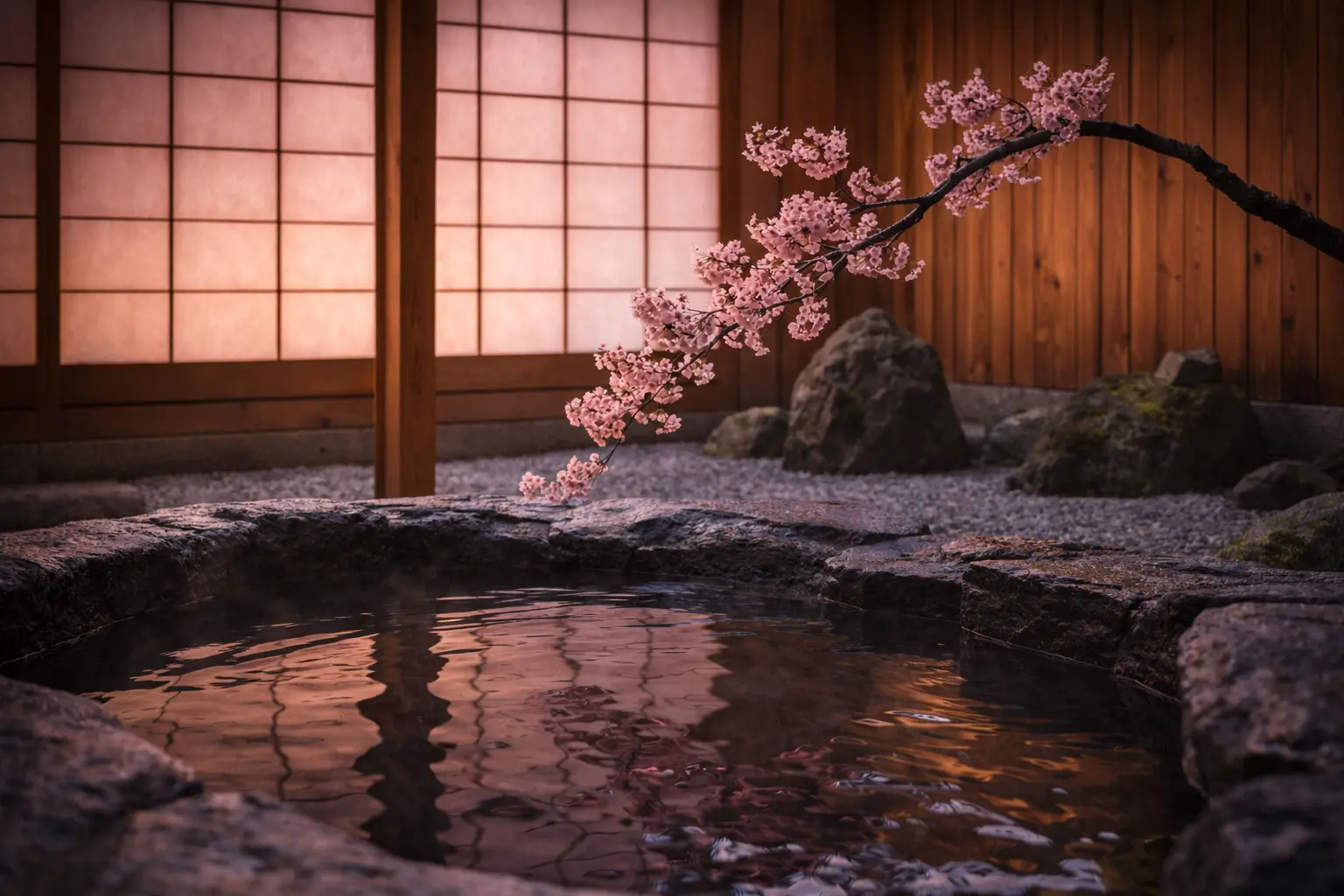
We are witnessing a massive paradigm shift in high-end travel. The flashy, logo-heavy extravagance of the past has been replaced by “Quiet Luxury”—an aesthetic characterized by profound silence, hyper-exclusive access, and raw, ancient materials. In Japan, this translates to ultra-premium traditional Ryokans, private Onsen (hot spring) suites, and Michelin-starred Kaiseki dining hidden behind unmarked sliding wooden doors.
To truly understand the depth of this cultural hospitality, we strongly recommend exploring the official guidelines provided by the Japan National Tourism Organization (JNTO), which perfectly outlines the philosophy of Omotenashi.
Dominating the Asian Booking Ecosystem: Trip.com & Agoda
If you are using Western-centric platforms to book elite Asian accommodations, you are making a critical logistical error. The finest Ryokans in places like Hakone, Kyoto, and the hidden districts of Tokyo allocate their best inventory to Asian tech giants. By leveraging our Trip.com Direct Review & Global Booking Strategy, you tap directly into the source. These platforms offer unparalleled VIP tier upgrades, late checkouts, and access to heritage properties that simply do not exist on other aggregators.
4. Strategic Efficiency: The Ultimate Tokyo Travel Guide 2026 for Smart Bookings
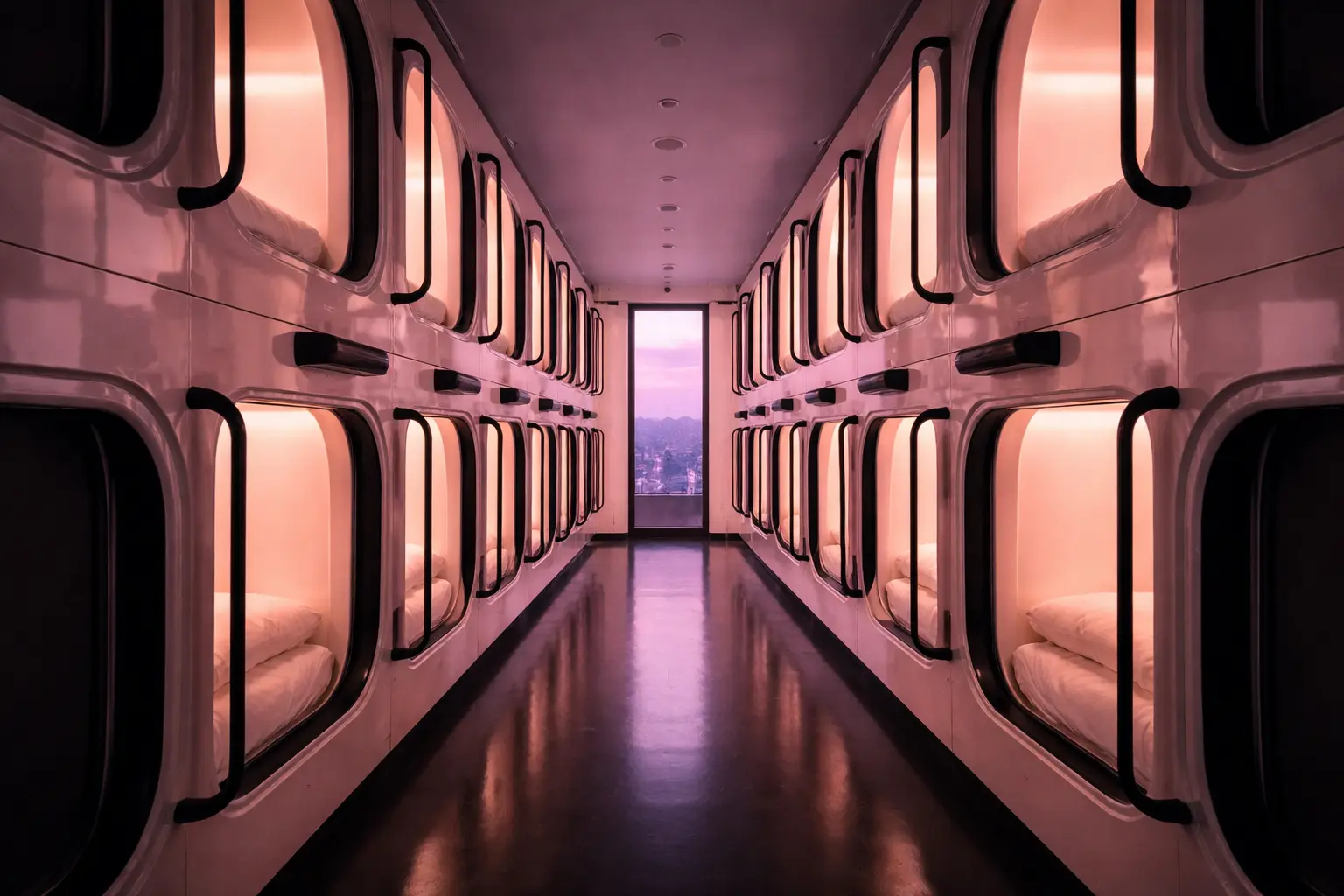
What if your primary goal isn’t thread-count, but absolute location dominance and efficiency? Enter the realm of Smart Bookings. Tokyo is the birthplace of the capsule hotel, but the claustrophobic plastic tubes of the 1990s are dead. Welcome to the era of futuristic, minimalist sleep pods designed for the hyper-efficient global nomad.
The Capsule Revolution and Hopegoo Intelligence
A smart booking is about maximizing your ROI (Return on Investment) on travel. Why spend $300 a night on a standard business hotel if you are exploring the streets of Shibuya from 7 AM to 2 AM? Modern capsule networks like “Nine Hours” or “First Cabin” offer spa-grade showers, soundproofed environments, biometric security lockers, and highly ergonomic mattresses. To architect this budget-friendly trip perfectly, integrating platforms mentioned in our Hopegoo Review for Bullet Trains & Hotels allows you to synchronize your cheap stays right next to major rail hubs like Ueno or Shinjuku.
Furthermore, staying in a capsule hotel forces you to experience the city. It pushes you into the local cafes for breakfast, the public baths (Sento) for relaxation, and the Izakayas for dinner. It is the ultimate travel hack for the solo adventurer who views their accommodation merely as a high-tech recharging station.
5. Immersive Cultural Hacking: Experiential Tours and Fuji Expeditions
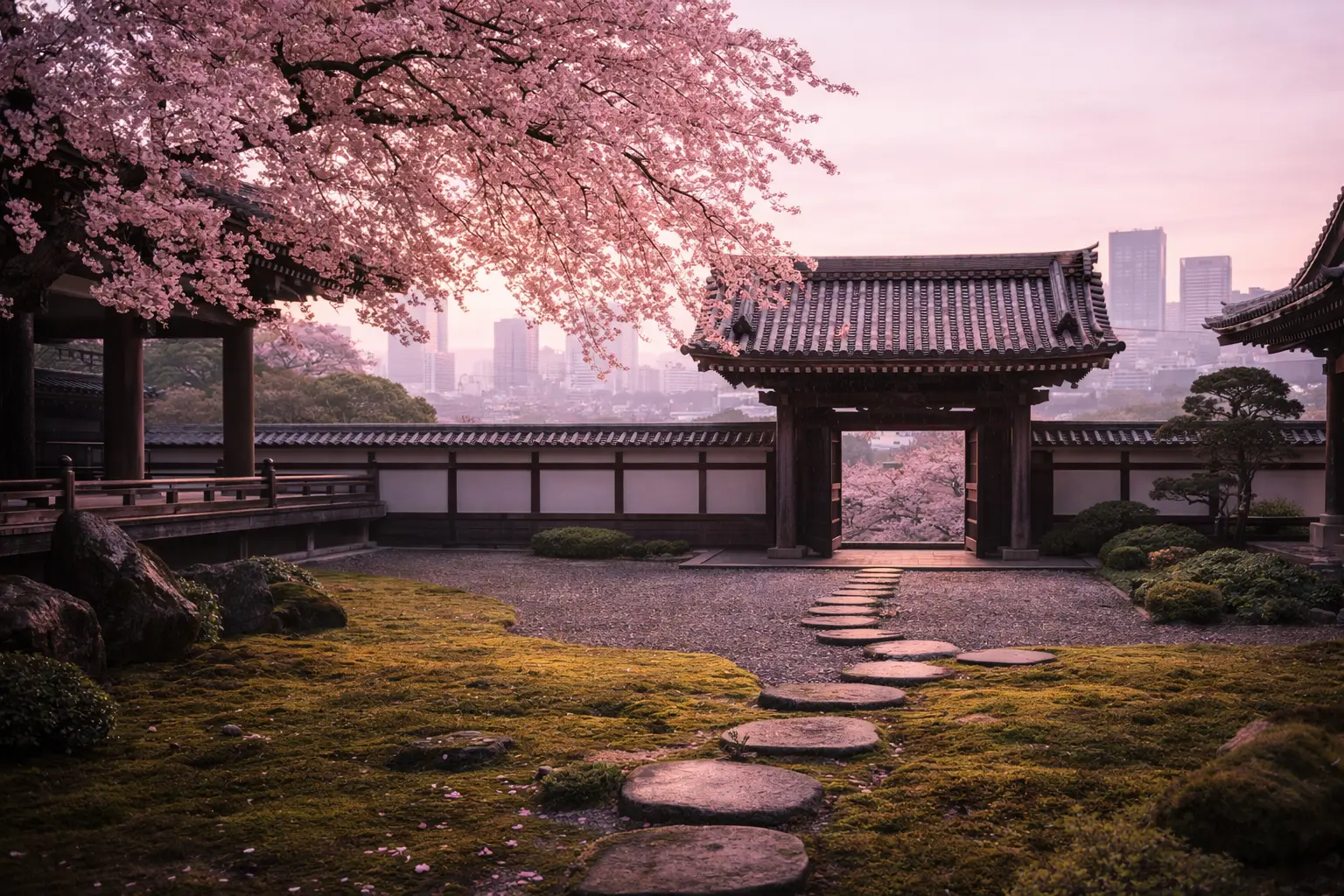
You did not fly halfway across the world to stand in a two-hour line. In 2026, the concept of a “walk-up ticket” for major attractions is practically extinct. The Ultimate Tokyo Travel Guide 2026 dictates that every museum, temple, observation deck, and theme park must be booked digitally, weeks in advance.
Skip-The-Line Dominance: Klook and Tiqets
Whether you are planning to immerse yourself in the mind-bending digital art of teamLab Planets, witness the majestic sunrise over Mount Fuji from the Chureito Pagoda, or take a Mario Kart-style street tour through the neon streets of Akihabara, you need impenetrable QR codes on your smartphone. We highly recommend digesting our Klook Direct Review for Skip-the-Line Tickets. Klook is the undisputed king of Asian attractions, offering inventory that Western sites often miss.
For highly curated, localized experiences led by English-speaking experts—think private sushi-making masterclasses with a Tsukiji market veteran, or authentic Samurai sword training—cross-reference our extensive guides on KKday Global Curated Experiences and GetYourGuide Unforgettable Tours. Never leave your experiences to chance. The FOMO (Fear Of Missing Out) is real when you see a “Sold Out” sign at the gates of the Ghibli Museum.
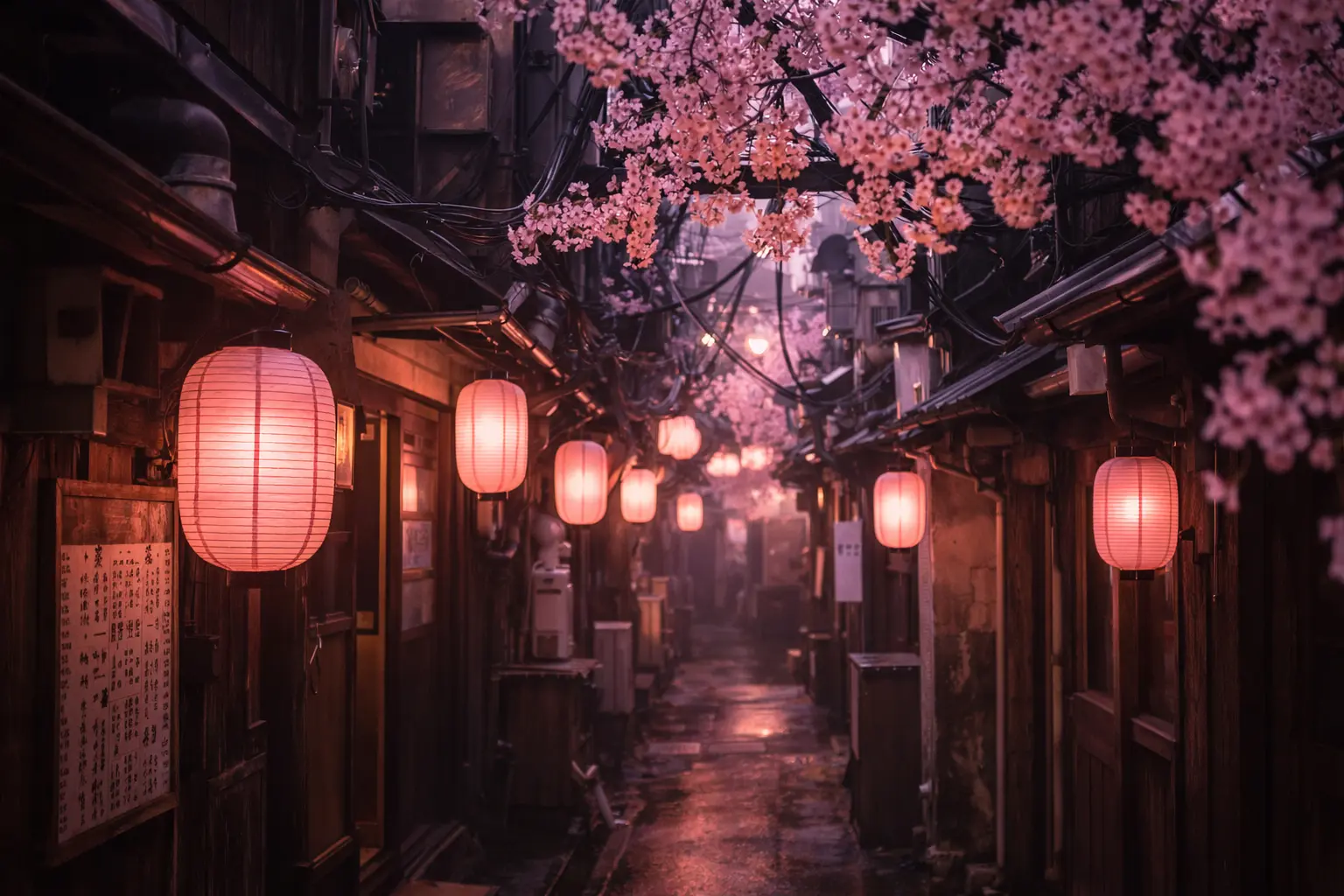
6. Hyper-Connectivity and Nostalgic Nights: The Essential Tokyo Infrastructure
The final, and perhaps most critical, layer of your Tokyo travel guide 2026 focuses on the nervous system of your entire trip: Transportation and Internet Connectivity. Without mastering these two elements, you will be utterly lost in translation.
Mastering the Shinkansen (Bullet Train) with 12Go
If you plan to leave Tokyo and head to the cultural capital of Kyoto, the food mecca of Osaka, or the deer parks of Nara, the Shinkansen is your only logical choice. For an in-depth understanding of how these engineering marvels operate, you can review the extensive history on the Shinkansen Wikipedia page.
However, the Japan Rail Pass (JR Pass) rules and pricing structures have shifted dramatically recently. Buying individual tickets is often far more cost-effective now than purchasing a nationwide pass. Instead of wrestling with confusing ticket machines at Tokyo Station, use the infrastructure detailed in our 12Go Review for Asia Transport. Book your exact seats on the bullet train digitally, in English, weeks before your departure, securing luggage space and window seats for Mount Fuji views.
The Road Less Traveled: Car Rentals (Qeeq & DiscoverCars)
While Tokyo’s public transport—detailed superbly on the Tokyo Metro Official Website—is world-class, true explorers seeking “Quiet Luxury” often rent vehicles to drive into the remote Japanese Alps, the hidden villages of Shirakawa-go, or around the Five Lakes of Mount Fuji. Public transport stops where true wilderness begins. Protect yourself from hidden insurance fees by utilizing global aggregators.
Digital Oxygen: The Airalo Global eSIM Imperative
None of these smart bookings matter if you are offline in a foreign land. Do not buy expensive roaming packages from your home provider, and do not waste precious travel time standing in line for a physical SIM card at the airport. You need an eSIM downloaded and activated on your smartphone before you even board the plane. As outlined in our comprehensive Airalo Review for Global eSIM Data, staying connected in the neon labyrinth of Tokyo is as essential as oxygen. Google Maps will become your best friend, guiding you through massive subterranean stations like Shinjuku.
7. The Culinary Landscape: From Street Food to Michelin Stars
We cannot conclude a comprehensive Tokyo travel guide 2026 without addressing the city’s culinary supremacy. Tokyo holds more Michelin stars than any other city on earth, yet it is simultaneously a haven for spectacular budget dining. This dichotomy perfectly mirrors our Smart Bookings vs. Quiet Luxury philosophy.
The Smart Booking Diet: Utilize the ubiquitous convenience stores (Konbini) like 7-Eleven, FamilyMart, and Lawson. The quality of their egg salad sandwiches, Onigiri (rice balls), and fried chicken (Karaage) is legendary. For warm meals, automated ramen shops (like Ichiran) and conveyor belt sushi (Kaiten-zushi) provide high-quality food for under $10 USD.
The Quiet Luxury Diet: If you are pursuing culinary perfection, you must secure reservations months in advance. Experience an authentic Omakase (chef’s choice) sushi dinner in Ginza, where master chefs prepare courses right before your eyes. Alternatively, indulge in a multi-course Kaiseki dinner, a traditional dining experience that balances taste, texture, appearance, and colors, often served in the privacy of a Ryokan.
The Ultimate Tokyo Travel Guide 2026: Final Verdict
The architecture of a flawless trip relies entirely on the quality of its foundation. The Ultimate Tokyo Travel Guide 2026: Smart Bookings from Capsule Hotels to Quiet Luxury is not just an article; it is a meticulously crafted algorithm for travel supremacy. From the moment you hack your flight via Aviasales, rest in the Priority Pass lounge, sleep in an Agoda-booked Ryokan, ride a 12Go Shinkansen, and share it all via your Airalo eSIM, you have won the game. The cherry blossoms are waiting, and the global elite are already booking. Do not let FOMO be your only souvenir.
Frequently Asked Questions (FAQ)
Q: Why is the Tokyo travel guide 2026 so critical right now?
A: The historic Yen depreciation has created a massive influx of international tourists. If you do not use smart booking tools for your capsule hotels or pre-book your quiet luxury ryokans well in advance, you will face “sold out” signs everywhere.
Q: Are capsule hotels safe and comfortable for solo travelers?
A: Absolutely. Modern Tokyo capsule hotels are the epitome of “Smart Bookings.” They are highly secure (often with separate floors for men and women), impeccably clean, and feature futuristic designs that maximize comfort on a budget.
Q: How far in advance should I book my Shinkansen tickets for 2026?
A: For peak seasons like Sakura (late March/April) or Golden Week (early May), you should book your bullet train tickets via 12Go at least 3 to 4 weeks in advance to ensure you secure a seat, especially if you have oversized luggage.
Q: Is cash still king in Tokyo, or can I rely on my credit card?
A: While Tokyo has rapidly modernized its payment systems, cash (Yen) is still vital for small Izakayas, rural areas, and temple donations. However, utilizing a digital Suica or Pasmo card on your smartphone will handle 90% of your transit and convenience store purchases.
Q: Can I really save money by booking skip-the-line tickets online?
A: Yes. Platforms like Klook and Tiqets not only save you hours of waiting in line, but they frequently offer bundled discounts and exclusive access times that are completely unavailable to walk-up tourists.