Smart Egypt Travel Guide 2026: The Avoid Mistakes & Tips
Planning a trip built on outdated ticket prices is the single most common mistake we see. This Egypt Travel Guide exists specifically to fix that. Every fee below — the Grand Egyptian Museum, Abu Simbel, the 2026 visa cost — was checked against official Ministry sources.
Egypt in 2026 is genuinely different from Egypt three years ago. The Grand Egyptian Museum finally opened. Visa fees just rose. Ticket policies changed. This guide reflects exactly where things stand today.
⚡ Quick Answer — Egypt Travel Guide 2026
Best time to visit Egypt: October through April, avoiding the extreme summer heat. Visa cost 2026: $30 for a single-entry e-Visa or Visa on Arrival, valid 30 days. Grand Egyptian Museum: ~1,450 EGP (~$29–30), online booking now mandatory. Abu Simbel: ~750 EGP (~$15). Minimum trip length: 10–12 days for Cairo, Luxor, Aswan and the Red Sea coast. Who it’s for: history-focused travelers, first-time visitors, and anyone wanting real ancient wonders without inflated expectations.
🌟 Key Takeaways
- Egypt e-Visa and Visa on Arrival both rose to $30 as of the March 2026 fee update
- The Grand Egyptian Museum requires online-only ticket booking since December 2025 — no walk-up purchases
- Luxor and Aswan airports offer free visa entry during low season (May–October) through 2027
- Abu Simbel’s Sun Festival (Feb 22 & Oct 22) requires a special 1,200 EGP ticket, sold separately
- Passports must be valid 6+ months from arrival, with one fully blank visa page
- Most site entrance fees now require card payment — cash is no longer accepted at major sites
- Ten to twelve days is the realistic minimum for a full Cairo-Luxor-Aswan-Red Sea itinerary

Egypt Travel Guide 2026: Fast Facts at a Glance
🔎 TicketsHunters Methodology
Every price in this guide was checked against Egypt’s Ministry of Tourism and Antiquities official fee schedule and cross-referenced against independent, currently updated 2026 travel publications.
- Abu Simbel and Luxor-area ticket prices verified against the official mota.gov.eg fee document
- Grand Egyptian Museum pricing cross-checked across four independent sources, all showing consistent 2026 figures
- Visa fees confirmed against the March 2026 official increase, reported by multiple visa-processing services
Site fees change periodically — we recommend a final check before booking, and we revise this guide when notified of a change.
Why Visit Egypt in 2026?

2026 is a genuinely significant year for Egypt tourism. The Grand Egyptian Museum, two decades in the making, finally opened its full galleries — including the complete Tutankhamun collection, shown together for the first time ever.
That single opening changes the entire Cairo itinerary. Previously scattered across two museums, Egypt’s most famous artifacts now sit under one roof, 1.2 miles from the Pyramids themselves.
Beyond Cairo, Egypt’s core appeal hasn’t changed in three millennia: temples built at a scale that photographs genuinely fail to convey, a Nile River that still structures daily life exactly as it did for the pharaohs, and Red Sea reefs among the most accessible world-class diving anywhere on Earth.
Key Facts & Travel Planning Essentials
Best Time to Visit Egypt
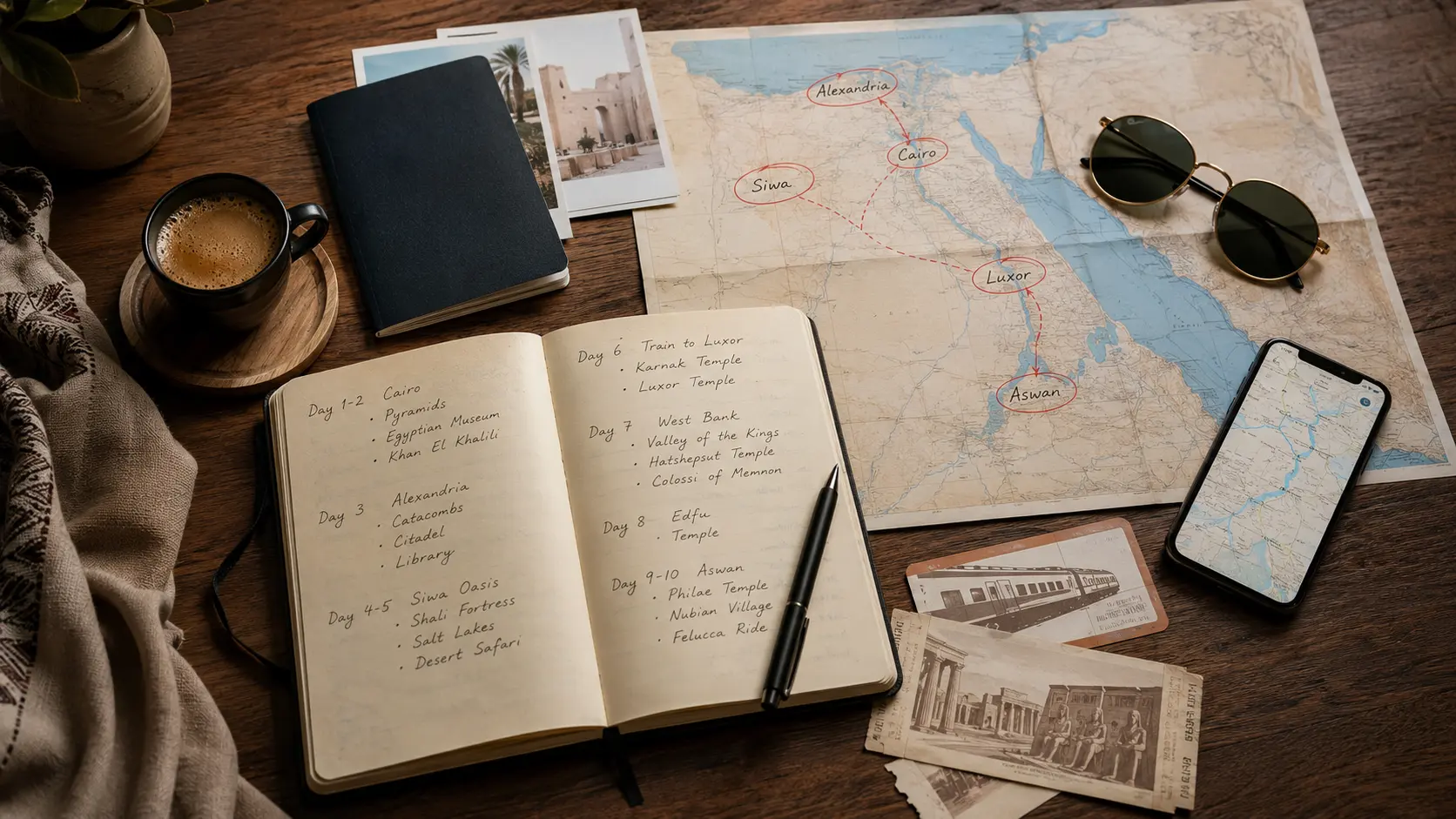
October through April is Egypt’s most comfortable travel window. Daytime temperatures sit in a genuinely pleasant range across Cairo, Luxor and Aswan during these months.
May through September brings serious heat, particularly in Upper Egypt. Luxor and Aswan regularly exceed 40°C in summer, which limits comfortable outdoor sightseeing to early morning hours.
There’s a genuine upside to summer travel, though: both Luxor and Aswan airports currently offer free visa entry from May through October, specifically to encourage low-season tourism.
Visa Requirements & Entry Procedures
e-Visa (single-entry): $30 · e-Visa (multiple-entry): $65 · Visa on Arrival: $30 · Validity: 30 days, extendable once inside Egypt · Eligible nationalities: US, UK, Canada, Australia, New Zealand, most EU countries, Japan, South Korea · Passport rule: valid 6+ months from arrival, one blank page required. Both fees rose from $25 in the March 2026 update.
Most travelers find the e-Visa faster than Visa on Arrival, since it skips the bank kiosk queue at immigration entirely. Apply up to three months ahead through Egypt’s official visa portal.
Citizens of Belgium, France, Germany, Italy and Portugal can technically enter using a national ID card instead of a passport, though most travelers find a passport genuinely faster at e-gates.
Nile Cruises: The Classic Way to Connect Luxor and Aswan
A multi-day Nile cruise remains the most relaxed way to link Luxor and Aswan. Most sail three to four nights, stopping at Edfu and Kom Ombo along the way.
Cabin quality varies enormously by operator. Mid-range cruises typically include all meals and shore excursions, while budget options may charge extra for temple entry fees.
Booking a cruise with excursions bundled saves genuine hassle. Comparing at least two operators before committing is worth the extra ten minutes of research.
Currency, Budgeting, and Costs
The Egyptian Pound (EGP) is the local currency, though many tour operators and hotels quote prices in US dollars or euros. Card payment is now standard at major sites — cash is no longer accepted at the Pyramids or Karnak Temple.
Egypt Daily Budget Table, Per Person
| Style | Accommodation | Food | Sites/Transport | Daily Total |
|---|---|---|---|---|
| Budget | $20–40 | $10–20 | $10–25 | $40–85 |
| Mid-range | $60–120 | $25–45 | $25–50 | $110–215 |
| Comfortable | $150–300+ | $50–90 | $50–100 | $250–490+ |
Egyptian Food: What to Actually Eat
Koshari is Egypt’s genuine national dish — rice, lentils, macaroni and crispy onions under a spiced tomato sauce. Every city has a beloved local spot.
Ful medames, slow-cooked fava beans, is the breakfast staple. Paired with fresh bread and a squeeze of lemon, it costs almost nothing and fills you completely.
Street food is generally safe at busy, high-turnover stalls. Choose vendors with visible queues of locals rather than empty tourist-facing counters near major sites.
Getting Around: Trains, Domestic Flights, and Private Drivers
Domestic flights between Cairo, Luxor and Aswan take under an hour and cost meaningfully less than most travelers expect when booked several weeks ahead.
The overnight sleeper train from Cairo to Luxor offers a genuinely memorable alternative. Private cabins include basic bedding and a simple breakfast before arrival.
For shorter hops within a single city, private drivers arranged through your hotel typically cost less than expected and remove any language-barrier stress entirely.
The Ultimate Egypt Itinerary: Top Places to Visit
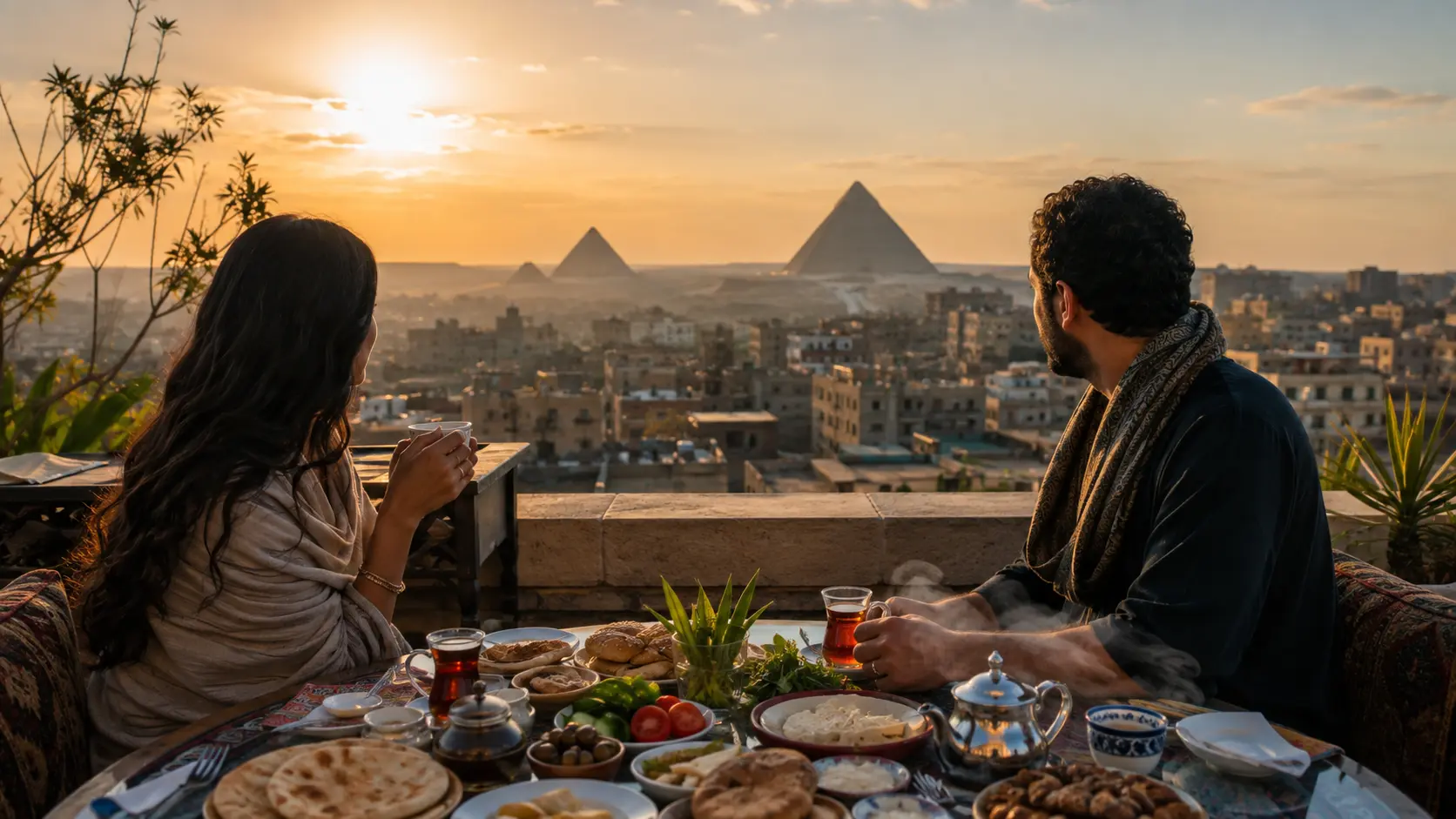
Cairo & Giza: Pyramids, Sphinx, and GEM (Grand Egyptian Museum)
Cairo anchors every Egypt itinerary, and 2026 gives it a genuinely new centerpiece. The Grand Egyptian Museum holds over 100,000 artifacts across 1.1 million square feet of gallery space.
Opened: November 1, 2025 · Foreign adult ticket: ~1,450 EGP (~$29–30) · Student/child (6–12): ~730 EGP (~$15) · Hours: daily, approx. 8:30am–6pm, extended to 9–10pm Wed & Sat · Booking: online-only since December 2025 — no walk-up tickets · Highlight: the complete Tutankhamun collection (5,398 pieces), shown together for the first time.
The Pyramids of Giza and the Sphinx sit 1.2 miles from GEM, making a combined half-day easy to plan. Book both in the same online session where possible to save a second queue.
Luxor: Valley of the Kings & Karnak Temple
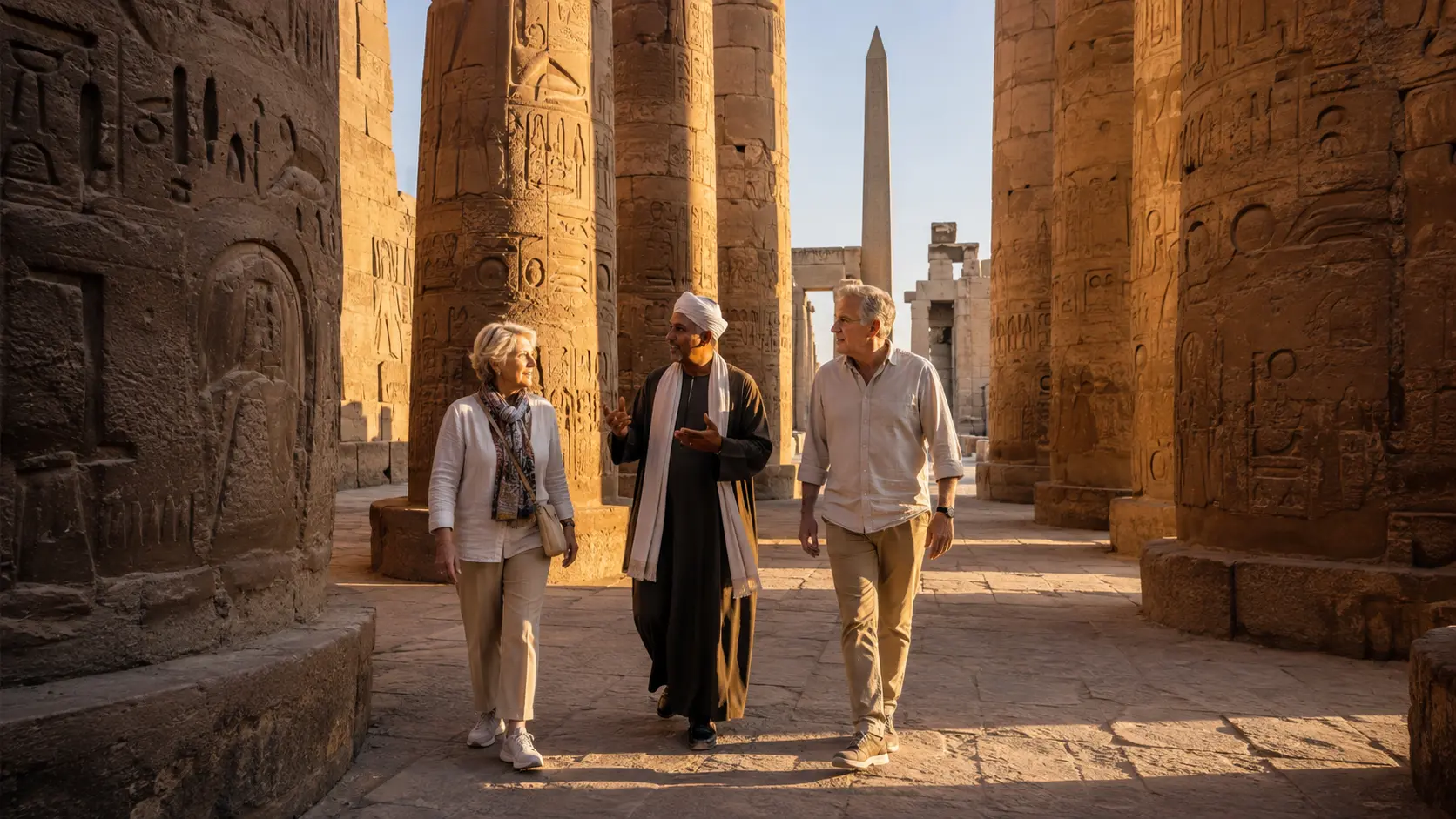
Luxor is where Egypt’s scale genuinely lands. The Valley of the Kings holds over sixty royal tombs, including Tutankhamun’s, carved into a single desert valley.
Valley of the Kings: ~450 EGP (3 tombs included) · Tutankhamun’s Tomb: separate ticket required · Karnak Temple: ~300 EGP · Luxor Temple: ~250 EGP · Luxor Museum: 400 EGP adult, 200 EGP student, per official Ministry pricing.
Karnak Temple alone covers over 200 acres — genuinely too large to see properly in under two hours. Budget a full morning if the columned Hypostyle Hall is a priority.
Cultural Etiquette: What First-Time Visitors Should Know
Modest dress is appreciated at religious sites and generally advisable throughout Egypt, particularly for women visiting mosques or more conservative areas outside resort zones.
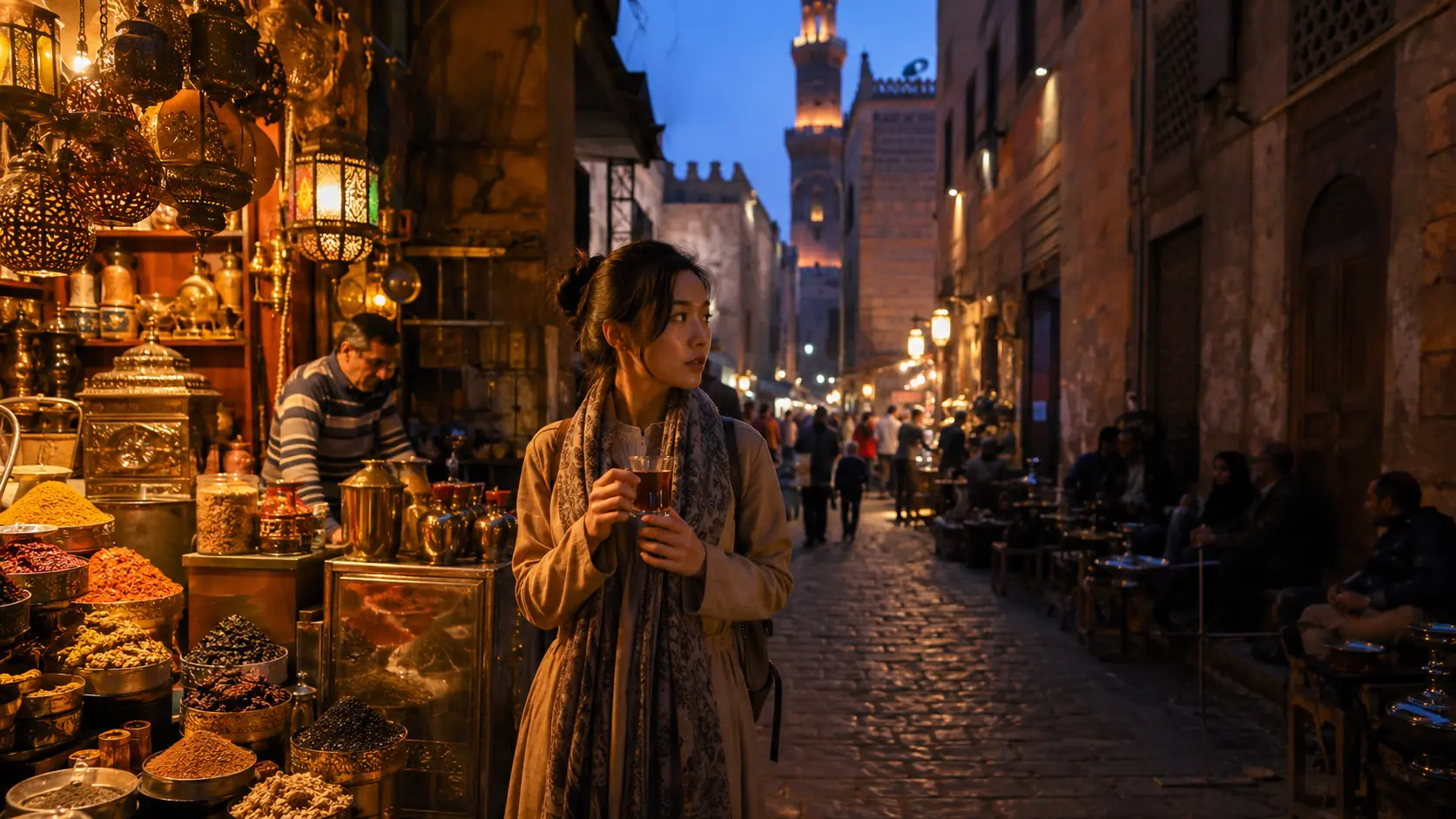
Bargaining is expected in markets like Khan el-Khalili, but not in fixed-price shops, restaurants, or hotels. A friendly, unhurried approach works better than aggressive haggling.
Tipping, called “baksheesh,” is genuinely woven into daily life. Small tips for guides, drivers and hotel staff are expected and appreciated, even for brief interactions.
Egypt for Families: What Actually Works
Children generally handle Egypt well, particularly the Red Sea resorts and Cairo’s more interactive museum spaces. GEM’s dedicated Children’s Museum runs guided sessions for ages 6–12.
Pace matters more than itinerary length with kids. Building in pool afternoons between temple visits keeps energy levels manageable across a longer trip.
Most quality hotels and cruise operators offer connecting rooms or family suites. Booking these specifically, rather than assuming availability, avoids last-minute scrambling on arrival.
Photography Rules You Should Know Before You Go
Phone photography is generally permitted without a fee at most major sites, including GEM’s galleries. Professional cameras sometimes require a separate photography permit.
Drone photography is strictly prohibited without prior military clearance. Bringing one without pre-arranged permission risks confiscation at customs, not just a denied request on-site.
Aswan & Abu Simbel: Nubian Culture & Desert Wonders
Abu Simbel is the single most logistically demanding stop in a standard Egypt itinerary, and also one of the most rewarding. It sits 280km south of Aswan, near the Sudanese border.
Standard adult: 750 EGP (~$15) · Student: 375 EGP · Sun Festival dates: February 22 & October 22 · Sun Festival ticket: 1,200 EGP adult / 600 EGP student · Hours: 6am–5pm · Payment: card only. Source: Egypt Ministry of Tourism and Antiquities official fee schedule.
Most travelers reach Abu Simbel by short domestic flight or a 3–4 hour road convoy from Aswan. The flight costs more but saves a genuinely long desert drive.

Hurghada & Sharm El Sheikh: Red Sea Diving & Resorts
The Red Sea coast is Egypt’s genuine relaxation chapter. Hurghada and Sharm El Sheikh both offer reef access minutes from shore, ranking among the world’s most accessible dive destinations.
Three to four days here works well after the history-dense Cairo-Luxor-Aswan stretch. Most resorts offer all-inclusive packages that simplify budgeting considerably.
Where to Stay: Egypt Accommodation by Region
Cairo Hotel Strategy
A Giza-side hotel with pyramid views genuinely elevates the Cairo experience. Several properties offer rooftop breakfast with the pyramids directly visible.
Downtown Cairo and Zamalek suit travelers prioritizing walkability and nightlife over the pyramid-view premium. Both connect easily to GEM and the wider city by taxi.
Luxor: East Bank or West Bank?
East Bank hotels sit closer to Karnak and Luxor Temple, with more restaurant options nearby. West Bank properties offer quieter, more atmospheric stays near the Valley of the Kings.
Neither choice is objectively better — it depends on whether evening walkability or morning proximity to the tombs matters more to your specific itinerary.
Aswan Accommodation Notes
Nile-view rooms in Aswan are genuinely worth the modest premium. Watching feluccas drift past at sunset from a hotel balcony is one of Egypt’s quieter pleasures.
Seasonal Deep-Dive: Month-by-Month Egypt Weather
| Months | Cairo/Giza | Luxor/Aswan | Red Sea |
|---|---|---|---|
| Dec–Feb | Cool, comfortable | Mild, ideal | Cool evenings, swimmable days |
| Mar–Apr | Warm, pleasant | Warm, still good | Excellent |
| May–Sep | Hot | Extreme heat | Hot but manageable coastal |
| Oct–Nov | Warm, comfortable | Warm, good | Excellent |
Upper Egypt summer heat is genuinely not exaggerated. Luxor and Aswan routinely exceed 40°C from June through August, limiting comfortable outdoor hours significantly.
If summer dates are unavoidable, plan tomb and temple visits for early morning, retreat indoors midday, and take advantage of the free low-season visa promotion.
Where to Go & Who It Suits: Quick Reference
| Region | Best For | Time Needed |
|---|---|---|
| Cairo & Giza | First-timers, history focus, GEM | 3–4 days |
| Luxor | Temple depth, Valley of the Kings | 2–3 days |
| Aswan & Abu Simbel | Nubian culture, desert scale | 2 days |
| Hurghada/Sharm | Diving, relaxation, families | 3–4 days |
| Siwa Oasis | Off-the-path desert escape | 2–3 days (add-on) |

Real Egypt Trip Scenarios: How Three Itineraries Actually Compared
Scenario 1: The Seven-Day Cairo & Luxor Trip
Four days in Cairo covering GEM, the Pyramids and Khan el-Khalili, followed by a domestic flight to Luxor for three days. This combination consistently satisfies first-timers without the Abu Simbel logistics.
Total site fees for this route ran comfortably under $150 per person, excluding flights and accommodation. The pace felt full but not rushed across the full week.
Scenario 2: The Twelve-Day Full Circuit
Cairo, Luxor, Aswan, Abu Simbel and four Red Sea days. This is genuinely the itinerary this guide recommends for a first-time visitor wanting the complete picture.
The Abu Simbel day trip added real logistical complexity, but the payoff — standing before those colossi in person — justified every hour of driving involved.
Scenario 3: The Long-Weekend Cairo-Only Trip
Four days, Cairo and Giza exclusively. This is the honest limit for a short trip — attempting Luxor within four days leaves both cities feeling rushed.
GEM alone rewards a full unhurried day. Pairing it with the Pyramids and one evening in Khan el-Khalili filled the visit completely and satisfyingly.
Ticketshunters' Expert Egypt Travel Tips

- Book GEM tickets online before arrival — walk-up purchase is no longer possible since December 2025
- Bring a physical card for site entry — cash is no longer accepted at the Pyramids or Karnak
- Apply for the e-Visa before departure — it’s faster than the airport bank kiosk queue
- Book Abu Simbel Sun Festival tickets months ahead if targeting Feb 22 or Oct 22 specifically
- Consider Luxor/Aswan entry May–October for the free low-season visa promotion
- Pack for genuine heat, even in “cooler” months — desert sites offer little shade
- Confirm your passport has 6+ months validity and one fully blank page before booking flights
For luggage storage between a Cairo hotel checkout and a late flight, our Radical Storage review covers the most reliable network. For domestic Egypt flight comparison, our MyTrip review covers the booking strategy.
Red Sea Diving: What Makes It World-Class
The Red Sea’s coral reefs sit remarkably close to shore, making world-class diving accessible even to beginners without a lengthy boat journey.
Hurghada suits divers wanting easy shore access and a wider resort selection. Sharm El Sheikh offers arguably richer reef biodiversity, particularly around Ras Mohammed National Park.
Certification courses are widely available and genuinely affordable compared to many other global dive destinations. Several resorts offer PADI Open Water courses within a three-day window.
Combining Egypt With Other Middle East Destinations
Egypt pairs naturally with a broader regional trip. Jordan’s Petra is a short flight away, and several travelers combine both in a single extended itinerary.
For travelers building a multi-country Middle East route, our private jet empty legs guide covers premium options for connecting destinations efficiently without commercial layovers.
Egypt vs. Other Ancient-Wonder Destinations: An Honest Comparison
| Destination | Scale | Crowd Level | Cost |
|---|---|---|---|
| Egypt | Largest single collection | Moderate | Genuinely affordable |
| Peru (Machu Picchu) | Smaller, singular site | High, permit-limited | Moderate-high |
| Jordan (Petra) | Single major site | High | Higher entry fee |
| Cambodia (Angkor) | Large temple complex | High | Affordable |
Egypt’s genuine advantage is breadth — no other single country offers this concentration of world-first-tier ancient sites across one coherent, well-connected itinerary.
Health & Safety Practicalities for Egypt Travel
No mandatory vaccinations are currently required for entry from most countries, though routine vaccinations should be up to date as standard travel practice.
Tap water is best avoided for drinking throughout Egypt. Bottled water is cheap and widely available, including at hotels, restaurants and virtually every corner shop.
Sun protection matters more than most travelers initially expect. The desert sun is genuinely intense even in “cooler” winter months, particularly at exposed archaeological sites.
What to Pack: The Honest Egypt Checklist
- Lightweight, modest clothing covering shoulders and knees for site visits and religious spaces
- Comfortable closed-toe shoes for uneven ground at temples and desert sites
- A physical bank card — increasingly required at major site entrances
- Sun protection — hat, high-SPF sunscreen, sunglasses, all genuinely necessary
- A portable charger — long desert excursion days drain phone batteries fast
Shopping in Egypt: What’s Genuinely Worth Buying
Papyrus paintings, when purchased from reputable workshops, make genuinely lasting souvenirs. Verify authenticity by asking to see the plant-pressing process directly.
Spices, particularly from Aswan’s Nubian markets, offer excellent value and pack easily. Cartouche jewelry, custom-engraved with your name in hieroglyphics, is a popular personal keepsake.
Be cautious with “ancient artifact” sales near major sites. Genuine antiquities cannot legally leave Egypt, and anything offered as one is almost certainly not authentic.
Egypt’s Lesser-Known Regions Worth Considering
The White Desert and Bahariya Oasis
Chalk-white rock formations rising from golden sand create one of Egypt’s most surreal landscapes, reachable via a multi-day desert safari from Bahariya Oasis.
Overnight camping under genuinely dark desert skies is the highlight for most visitors. This add-on suits travelers with an extra two to three days and a taste for adventure.
Alexandria: The Mediterranean Alternative
Egypt’s second city offers a genuinely different atmosphere — Mediterranean coastline, Greco-Roman history, and considerably fewer crowds than the Cairo-Luxor-Aswan circuit.
A day trip from Cairo works well, though Alexandria rewards an overnight stay if your itinerary has the flexibility to include one.
Money & Communication: Practical Egypt Logistics
Getting Cash and Using Cards
ATMs are widely available in cities and major tourist areas, dispensing Egyptian Pounds. Notify your bank of travel dates beforehand to avoid card blocks.
International cards work at most hotels, restaurants and the major site entrances covered in this guide. Smaller shops and local markets still prefer cash.
SIM Cards and Staying Connected
Local SIM cards, available at the airport on arrival, offer genuinely cheap data plans. Vodafone, Orange and Etisalat all operate reliable networks across the tourist circuit.
Coverage thins noticeably in the deep desert around Siwa and on the Abu Simbel road. Download offline maps before heading to these specific regions.
Tipping Guide: What’s Actually Expected
| Service | Typical Tip |
|---|---|
| Tour guide (full day) | $10–15 per person |
| Driver | $5–10 per day |
| Restaurant service | 10% if not included |
| Hotel housekeeping | $1–2 per night |
Responsible Tourism: Egypt’s Heritage Sites Deserve Care
Egypt’s monuments have survived millennia — respecting site rules genuinely helps ensure they survive the next century of tourism too.
Touching painted tomb walls, even lightly, accelerates deterioration. Photography without flash is almost always fine; flash photography damages ancient pigments over repeated exposure.
Supporting licensed guides and official ticket channels, rather than informal offers near site entrances, keeps revenue flowing toward genuine site preservation and local communities.
Common Egypt Trip Mistakes to Avoid
- Assuming GEM allows walk-up entry — it doesn’t, and unprepared visitors are turned away at the gate
- Underestimating Upper Egypt heat in “cooler” months — desert sites offer minimal shade
- Carrying only cash — major sites now require card payment exclusively
- Booking Abu Simbel’s Sun Festival dates last-minute — capacity sells out months ahead
- Trying to cover the full circuit in under a week — rushing genuinely undermines the experience
The Grand Egyptian Museum: A Closer Look at 2026’s Biggest Change
GEM deserves extra attention in this guide because it genuinely restructures the ideal Cairo itinerary in a way most older travel content hasn’t caught up to yet.
What’s Actually Inside
The Tutankhamun Gallery alone spans multiple rooms, displaying his complete tomb collection together for the very first time since its 1922 discovery — previously split across separate facilities.
The Grand Staircase, lined with dozens of statues ascending toward panoramic pyramid views, functions as both circulation space and exhibit — genuinely unlike any museum layout in Egypt previously.
Planning Your GEM Visit
Allow a minimum of three to four hours for a proper visit. Rushing through in under two hours means missing entire wings most visitors specifically traveled here to see.
Morning slots tend to be less crowded than afternoon ones. Wednesday and Saturday evening extended hours offer a genuinely different, quieter atmosphere worth considering.
The museum’s own café and gift shop are worth building fifteen minutes into your schedule for. Both sit within view of the pyramids through floor-to-ceiling windows.
Final Thoughts: Building Your Own Egypt Itinerary
Every itinerary in this guide assumes flexibility. Real trips rarely follow a template exactly, and that’s genuinely fine — the core sites covered here work in almost any reasonable order.
What matters most, based on everything in this guide: book GEM and your visa ahead of time, budget for genuine desert heat if traveling in summer, and give Abu Simbel the advance planning it specifically requires.
Beyond that, Egypt does most of the work itself. Few destinations anywhere combine this scale of ancient history with such straightforward, well-connected modern travel infrastructure.
One Last Practical Note
Keep digital and physical copies of your visa confirmation, hotel bookings and GEM ticket stored separately. Losing phone access mid-trip genuinely shouldn’t mean losing access to your own confirmed bookings entirely.
A Word on Language
Arabic is Egypt’s official language, but English is widely spoken throughout the tourist circuit — hotels, guides, major restaurants and site staff generally communicate comfortably in English.
Learning a handful of basic Arabic greetings genuinely goes a long way with locals, even in tourist-heavy areas where English is already the practical default.
A Note on Group Size and Pacing
Solo travelers and couples generally move faster through Egypt’s core sites than larger groups. Budgeting slightly more time for family or group itineraries genuinely reduces trip stress.
Guided small-group tours, typically capped at eight to twelve travelers, strike a reasonable balance between the efficiency of a private guide and the cost savings of shared transport.
A Note on First Impressions
Cairo’s initial chaos surprises many first-time visitors. Traffic, noise and crowds near the airport can feel overwhelming for the first hour or two after landing.
This impression fades quickly once settled. Most travelers report the city’s genuine warmth and hospitality becoming apparent within the first full day, well before reaching a single major site.
Why This Guide Exists
We built this Egypt Travel Guide specifically because so much existing content online quotes outdated 2023 or 2024 prices, pre-dates the Grand Egyptian Museum entirely, or misses the December 2025 online-booking shift.
Egypt changed meaningfully in 2026, and a guide that hasn’t caught up genuinely costs readers real time and money at the ticket counter, not just accuracy points on a page.
Every price, date and policy above reflects where things actually stand right now, cross-checked against official sources rather than recycled from older articles still circulating online.
Booking Checklist Before You Fly
| Item | When to Book | Note |
|---|---|---|
| e-Visa | Up to 3 months ahead | $30, valid 30 days |
| GEM ticket | 1–2 weeks ahead minimum | Online-only, no walk-up |
| Abu Simbel (standard) | 1–2 weeks ahead | 750 EGP adult |
| Abu Simbel (Sun Festival) | Months ahead | Feb 22 / Oct 22 only |
| Domestic flights (Cairo–Luxor–Aswan) | 4–8 weeks ahead | Prices rise closer to travel |
Egypt Travel Guide 2026: Honest Pros & Cons
✓ What Genuinely Works
- GEM’s opening gives Cairo a genuinely new, world-class centerpiece
- Site fees remain low relative to the scale of what’s on offer
- Red Sea diving is world-class and minutes from shore
- Low-season Luxor/Aswan visa promotion rewards flexible dates
- Ten days genuinely covers the full core itinerary comfortably
✗ Honest Limitations
- Summer heat in Upper Egypt is genuinely intense, not exaggerated
- GEM’s online-only booking catches unprepared visitors off guard
- Abu Simbel logistics require real advance planning
- Visa and site fees both rose in 2026 — budget accordingly
- Card-only payment at major sites surprises cash-reliant travelers

★ TicketsHunters Verdict: Egypt Travel Guide 2026
Egypt in 2026 rewards travelers who plan around what actually changed this year. The Grand Egyptian Museum’s opening, the visa fee increase, and the online-only ticketing shift all matter more than generic packing advice.
Our strongest recommendation: ten to twelve days, October through April, e-Visa booked ahead, GEM slot reserved before landing. That single combination avoids every major friction point covered in this guide.
The pyramids have waited four thousand years. The planning shouldn’t be what slows you down now.
4.8 / 5.0 — TicketsHunters Expert Score for Egypt as a 2026 travel destination, June 2026.
Frequently Asked Questions About Egypt Travel
Related TicketsHunters Guides
- ✈ Private Jet Empty Legs: Premium Access to Egypt
- 🏛 Klook Direct Review: Skip-the-Line Tickets for GEM & the Pyramids
- 🏷 EktaTraveling Review: Global Insurance for Desert & Diving Trips
- ✈ MyTrip Review: Domestic Egypt Flight Booking Compared
- 🎵 WeGoTrip Review: Self-Guided Audio Tours for Luxor & Karnak
- 💼 Radical Storage Review: Luggage Storage Across Cairo
- 🚗 GetRentaCar Review: Car Rentals for Red Sea & Siwa Routes
Egypt Ministry of Tourism and Antiquities official ticket price schedule (mota.gov.eg) · Egypt official e-Visa portal, March 2026 fee update · Multiple independent 2026 Grand Egyptian Museum guides, cross-referenced · iVisa and VisasNews official visa fee reporting, April 2026 · TicketsHunters independent research and cross-verification, June 2026 · Last Updated: 21 June 2026 | Author: TicketsHunters Travel Research Team
Disclosure: This article contains affiliate links. TicketsHunters may earn a commission at no additional cost to you. All pricing and editorial opinions are independently researched. No paid placement was accepted. | Last Updated: 21 June 2026 | Author: TicketsHunters Travel Research Team