The Incredible Ultimate Formula 1 Travel Guide 2026: Expert Tips, Brutally Honest Costs, and Best Grandstand Views
Stop overpaying for average experiences. We expose the closely guarded industry secrets to dominating the F1 calendar in 2026—from VIP hacks to budget survivals.
Welcome to the definitive Ultimate Formula 1 Travel Guide 2026. If you are reading this, you aren’t just a casual fan flipping channels on a Sunday; you are preparing to step into the roaring, high-octane epicenter of the world’s most glamorous sport. But let’s establish one brutal truth right now: Formula 1 will drain your wallet completely dry if you travel blindly.
The 2026 season marks a monumental shift in Formula 1. With the introduction of entirely new engine regulations, heavily revised aerodynamics, and smaller, nimbler cars, the on-track action is set to be the most unpredictable we’ve seen in a decade. Consequently, global demand for tickets, trackside hotels, and flights has hit an unprecedented, feverish peak.
We’ve attended races from the blistering heat of the Singapore Marina Bay street circuit to the historic, rain-soaked forests of Spa-Francorchamps. We’ve slept in budget tents in muddy fields, and we’ve sipped champagne in the Paddock Club directly above the Mercedes garage. We’ve seen exactly where tourists throw their money away, and we’ve mastered the Semantics of F1 Travel.
This guide is your impenetrable armor against the “F1 Tourist Tax.” We are stripping away the PR fluff to give you the brutally honest costs, the elite strategies for choosing the best grandstand views, and the logistical hacks that separate the miserable, sunburned rookies from the seasoned, comfortable veterans.
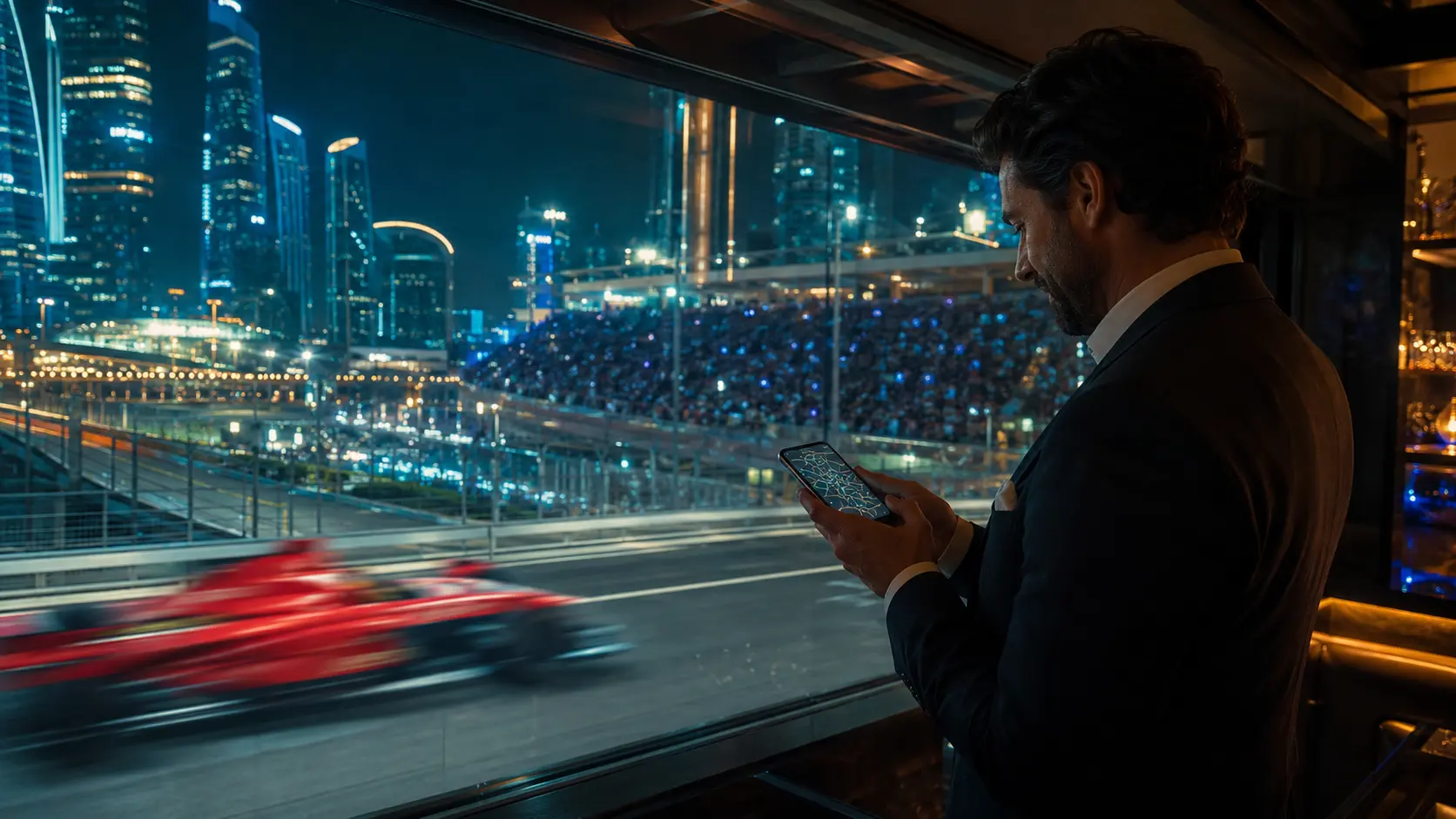
1. The 2026 Landscape: Why This Year is Different
The Ultimate Formula 1 Travel Guide 2026 wouldn’t be complete without addressing the elephant in the room: The 2026 regulation overhaul. The FIA has mandated 100% sustainable fuels and a massive increase in electrical power (an almost 300% bump in battery deployment). What does this mean for the traveler?
It means the hierarchy of the grid will reset. The predictable dominance of a single team is over. Fans are swarming to buy tickets earlier than ever because any team could emerge as the 2026 champion. If you don’t book your core logistics 6 to 9 months in advance, you are already losing.
Furthermore, local economies around major circuits like Silverstone, Monza, and Austin are fully aware of this heightened demand. We are seeing dynamic pricing algorithms applied not just to hotels, but to rental cars, local restaurants, and even public transport passes in some municipalities.
2. The Brutally Honest Costs of an F1 Weekend
Let’s tear down the illusions. You need a realistic budget to avoid financial panic on race day. The focus of our Ultimate Formula 1 Travel Guide 2026 is radical transparency. Forget the influencer reels showing private yachts in Monaco; let’s look at the actual math for real people.
Costs are generally divided into three distinct tiers: The Survivalist (Budget), The Enthusiast (Mid-Range), and The VIP (High-End). Here is a brutally honest breakdown of a typical 4-day European Grand Prix (e.g., Imola, Barcelona, or Hungaroring) per person.
| Expense Category | Survivalist (GA) | Enthusiast (Grandstand) | VIP (Hospitality) |
|---|---|---|---|
| Race Tickets (3-Day) | $180 – $300 | $450 – $900 | $3,500 – $8,000+ |
| Accommodation (4 Nights) | $300 (Hostel/Camping) | $800 (3-Star City Hotel) | $2,500+ (5-Star Trackside) |
| Flights (Short-Haul) | $150 (Budget Airline) | $350 (Standard Economy) | $1,200 (Business Class) |
| Food & Drink (Track + City) | $200 (Supermarket/Fast Food) | $450 (Restaurants + Track Beers) | Included at Track / $800 City |
| Logistics & Transfers | $50 (Public Train/Bus) | $150 (Uber/Dedicated Shuttle) | $600 (Private Chauffeur) |
| Estimated Total | ~$880 – $1,000 | ~$2,200 – $2,650 | ~$8,600 – $13,100+ |
The F1 Reality Check: The “Enthusiast” budget is where 80% of attendees sit. The danger zone is creeping expenses. Buying an official team jacket at the track? Add $180. Deciding to take an Uber instead of the train on Sunday because your feet bleed? Add $100 surge pricing. To survive, you must budget with a 20% contingency. To save massively on flights, we highly recommend utilizing aggregator flight alerts months in advance.
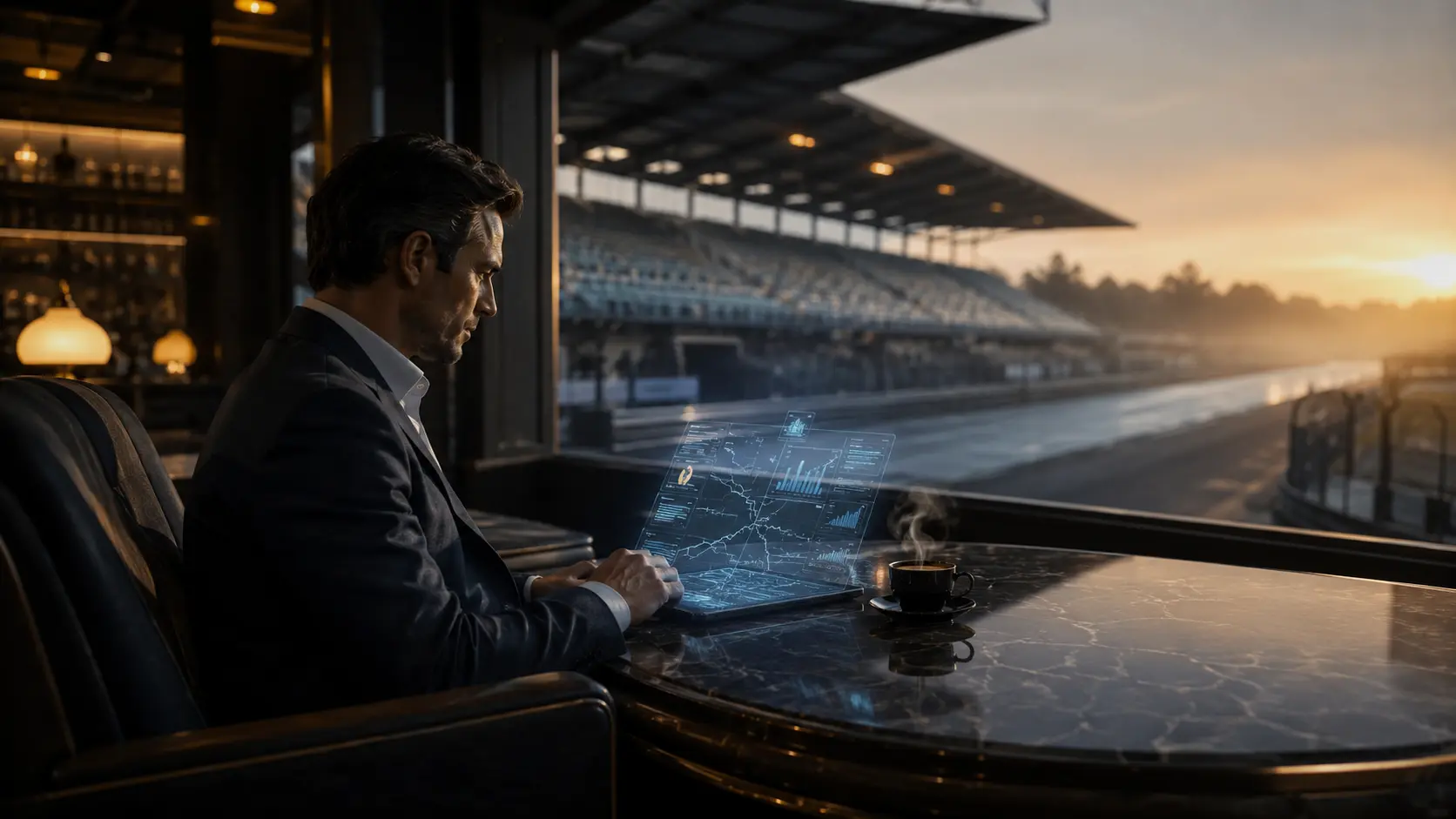
3. Masterclass: Securing the Best Grandstand Views
Your ticket defines your entire weekend. The most common mistake rookies make is buying a ticket based solely on price without analyzing the circuit map. In our Ultimate Formula 1 Travel Guide 2026, we rank viewing strategies rigorously.
General Admission (GA): The Gladiatorial Arena
General Admission is cheap, but it costs you in physical endurance. You do not get a seat. You get access to the grass, hills, and standing areas. If you buy GA, you must be at the gates at 6:00 AM on Sunday. When the gates open, fans sprint for miles to claim the best grassy knolls with foldable chairs. If you arrive at noon, you will be staring at the back of a tall Dutchman’s head for two hours.
Pro Tip: GA is phenomenal at circuits with natural elevation like Spa (Kemmel Straight banks) or Red Bull Ring. It is an absolute nightmare at flat street circuits like Miami or Jeddah.
Grandstands: The Analytical Choice
When selecting a grandstand, you aren’t just buying a seat; you are buying an information hub. Here is the golden checklist for the perfect grandstand:
- The TV Screen Rule: Never buy a grandstand seat that does not have a giant TV screen directly opposite. F1 cars pass you in 3 seconds. For the remaining 1 minute and 20 seconds of the lap, you need the screen to know what’s happening.
- Heavy Braking Zones: The best action (overtaking, lock-ups, crashes) happens at the end of long DRS straights. Look for grandstands at Turn 1 (Monza, COTA) or tight hairpins (Montreal).
- Sun Direction: Analyze the circuit layout against the setting sun. At sunset races (Abu Dhabi) or afternoon European races, an unshaded grandstand facing West will mean you are squinting directly into the sun for 2 hours, risking heatstroke.
- Covered vs. Uncovered: Weather in places like Spa or Silverstone is notoriously bipolar. Paying the premium for a covered grandstand is essentially buying weather insurance.
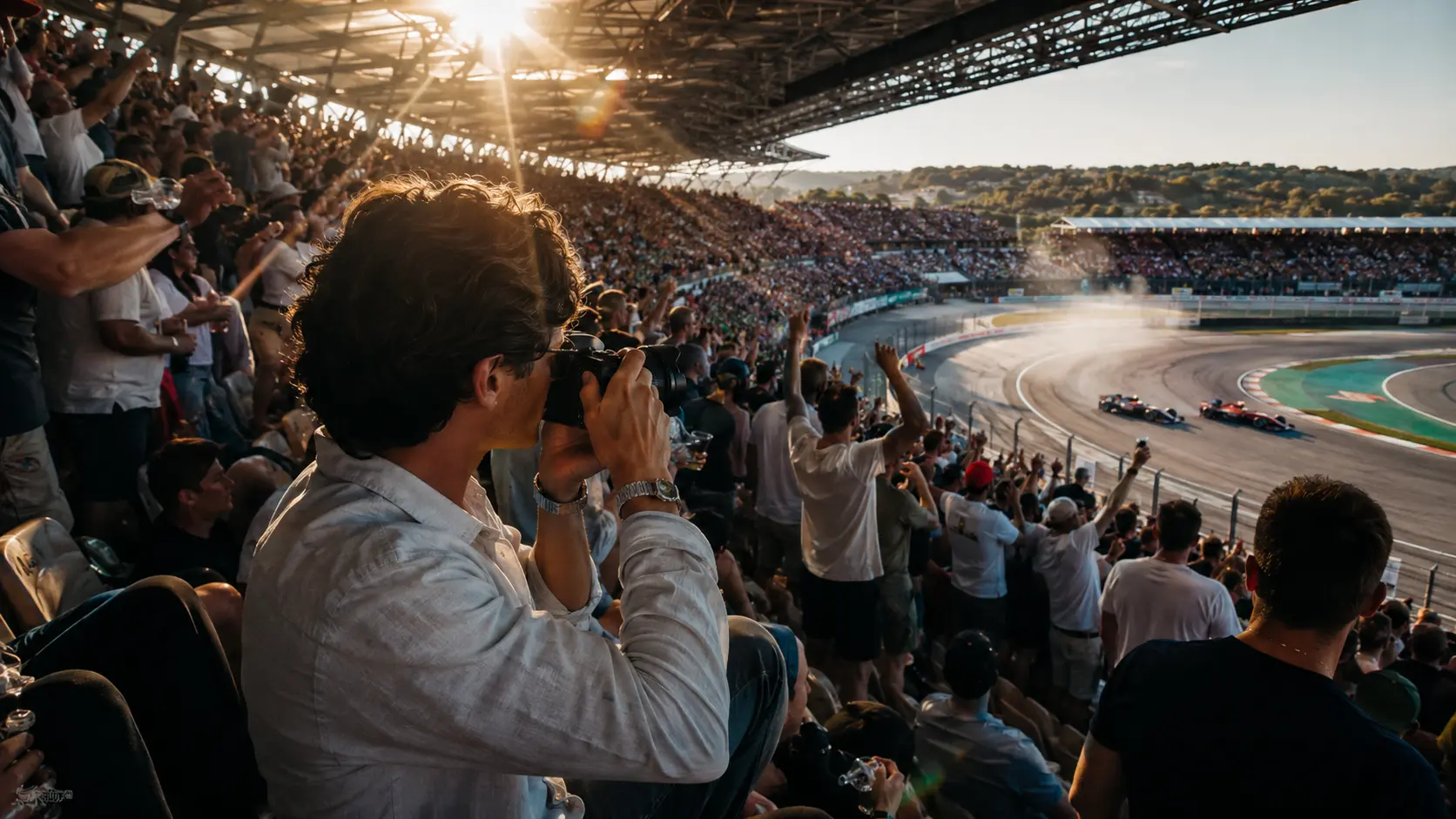
4. Is the F1 Paddock Club Worth It?
For those commanding a larger budget, the Ultimate Formula 1 Travel Guide 2026 must touch upon the legendary F1 Paddock Club. Starting around $6,000 and easily eclipsing $15,000 at marquee events like Vegas or Miami, the Paddock Club is the pinnacle of sports hospitality.
What do you actually get? You are situated directly above the team garages. The sensory experience of feeling the immense vibration of a 1000hp engine firing up directly beneath your feet while you sip free-flowing Ferrari Trento is unmatched. You receive daily Pit Lane Walks, allowing you to stand mere feet away from the mechanics rebuilding the cars. You enjoy multi-course Michelin-level dining.
“The Paddock Club isn’t just about watching a race; it’s the ultimate B2B networking environment on the planet. Deals worth millions are inked over lobster and engine roars.” — TicketsHunters Luxury Travel Desk
However, from a purely racing-fanatic perspective, you actually see less of the full circuit action from the Paddock Club than you do from a high Turn 1 Grandstand. You are paying for access, prestige, and supreme comfort. If you are investing heavily, secure your tickets through verified premium networks to avoid devastating scams, which are rampant in the high-end ticket market. We highly recommend using established providers detailed in our premium ticket network review.
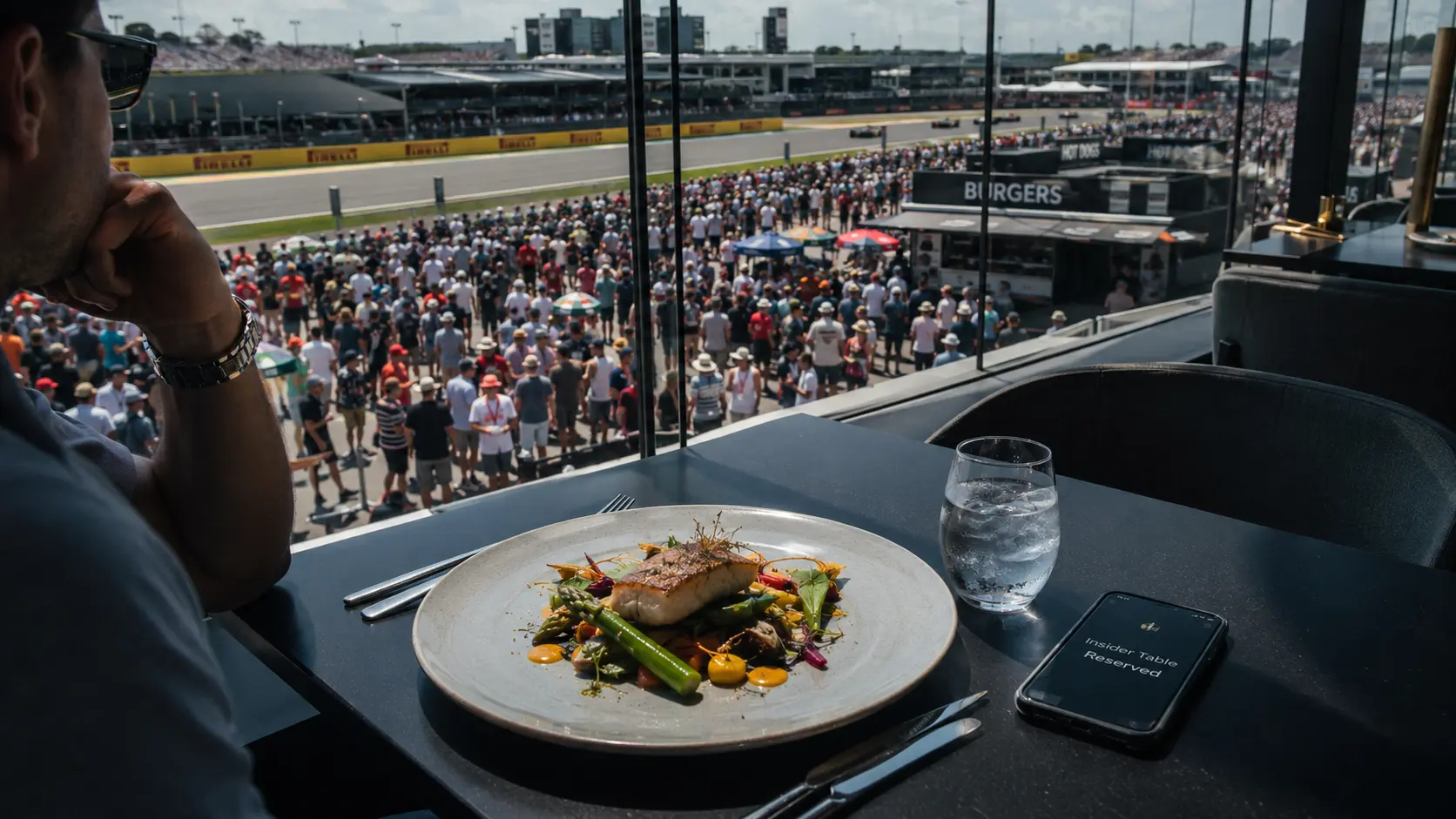
5. Logistics & Transport: Defeating the Gridlock
Nothing destroys the euphoria of a great race faster than being stuck in a parking lot for 4 hours. he logistical puzzle is where most fans fail,which is why a core chapter of our Ultimate Formula 1 Travel Guide 2026 is dedicated to the Semantics of Escaping the Circuit..
The “Sunday Surge” Truth: On Sunday afternoon, upwards of 140,000 people will try to leave a 2-square-mile area at exactly the same time. If you rely on random taxis or ride-sharing apps, you will be met with “No cars available” or $250 surges.
The Golden Rules of F1 Transit:
- Embrace the Train (When in Europe): Circuits like Suzuka, Monza, and Zandvoort have robust rail networks. Buy your return train ticket on Thursday. Do not try to buy it on Sunday when the station queue is a mile long.
- Pre-Book Dedicated Shuttles: Many smart fans utilize premium transfer services. Knowing a driver is waiting at a designated rally point a mile from the track is a psychological lifesaver. Look into options like Welcome Pickups for city-to-hotel reliability.
- The Rental Car Gamble: Renting a car is fantastic for exploring the region (e.g., driving through the Austrian Alps), but parking at the circuit requires a pre-purchased, incredibly expensive parking pass. If you do rent, ensure you use a trusted aggregator to avoid hidden fees. Check our rental guide before booking.
- The Luggage Hack: If you are flying out Sunday night, do not bring your suitcase to the track. Security won’t let it in, and the lockers will be full. Use services like Radical Storage in the city center, travel light to the track, and pick your bags up on the way to the airport.

6. Continental Strategies: Europe vs. Asia vs. USA
Our Ultimate Formula 1 Travel Guide 2026 analyzes the profound differences in attending races across different continents. The “Formula 1 experience” is not a monolith; it morphs based on the cultural and geographical landscape of the host nation.
The European Heartlands (Silverstone, Spa, Monza)
Europe is the traditional soul of F1. The atmosphere is tribal, passionate, and deeply historic. Here, the focus is on raw racing. Expect to deal with unpredictable weather (pack a heavy poncho for Spa) and older, sprawling circuit infrastructures. The massive advantage here is the density of cheap flights. Navigating Europe via budget airlines is a cornerstone of the F1 survivalist. Be mindful of classic European tourist traps around major hubs like Milan and London during race weeks.
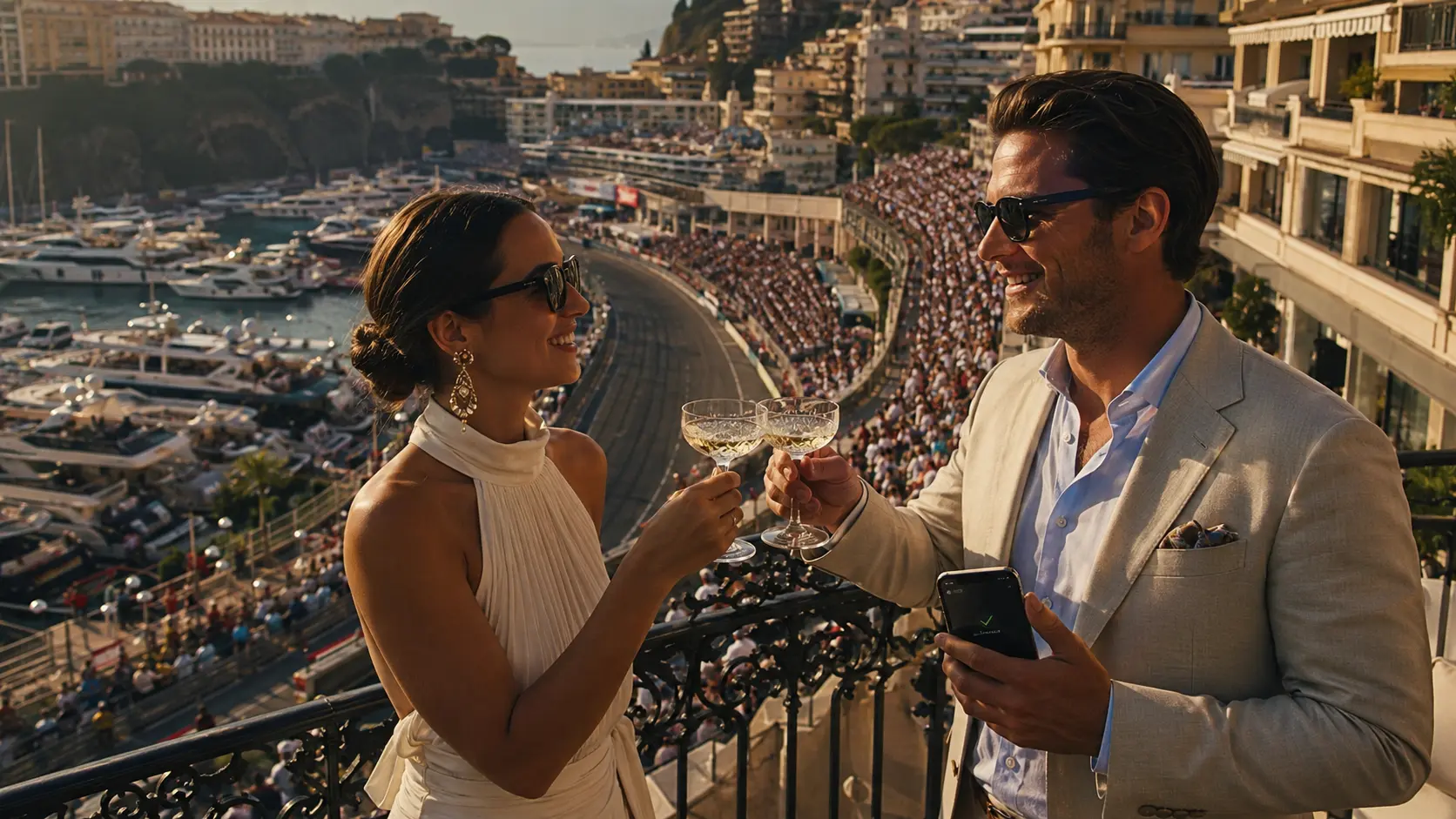
The Asian Leg (Singapore, Suzuka, Shanghai)
Asia offers an incredible mix of futuristic spectacle and profound fan dedication. Singapore is the ultimate night race—a sensory overload of humidity, neon lights, and street-circuit chaos. Suzuka features the most respectful, deeply knowledgeable fans on earth. Travel to these regions requires heavy strategic planning for flights. We always recommend using specialized portals like AirAsia for regional hops once you are on the continent to save hundreds of dollars.
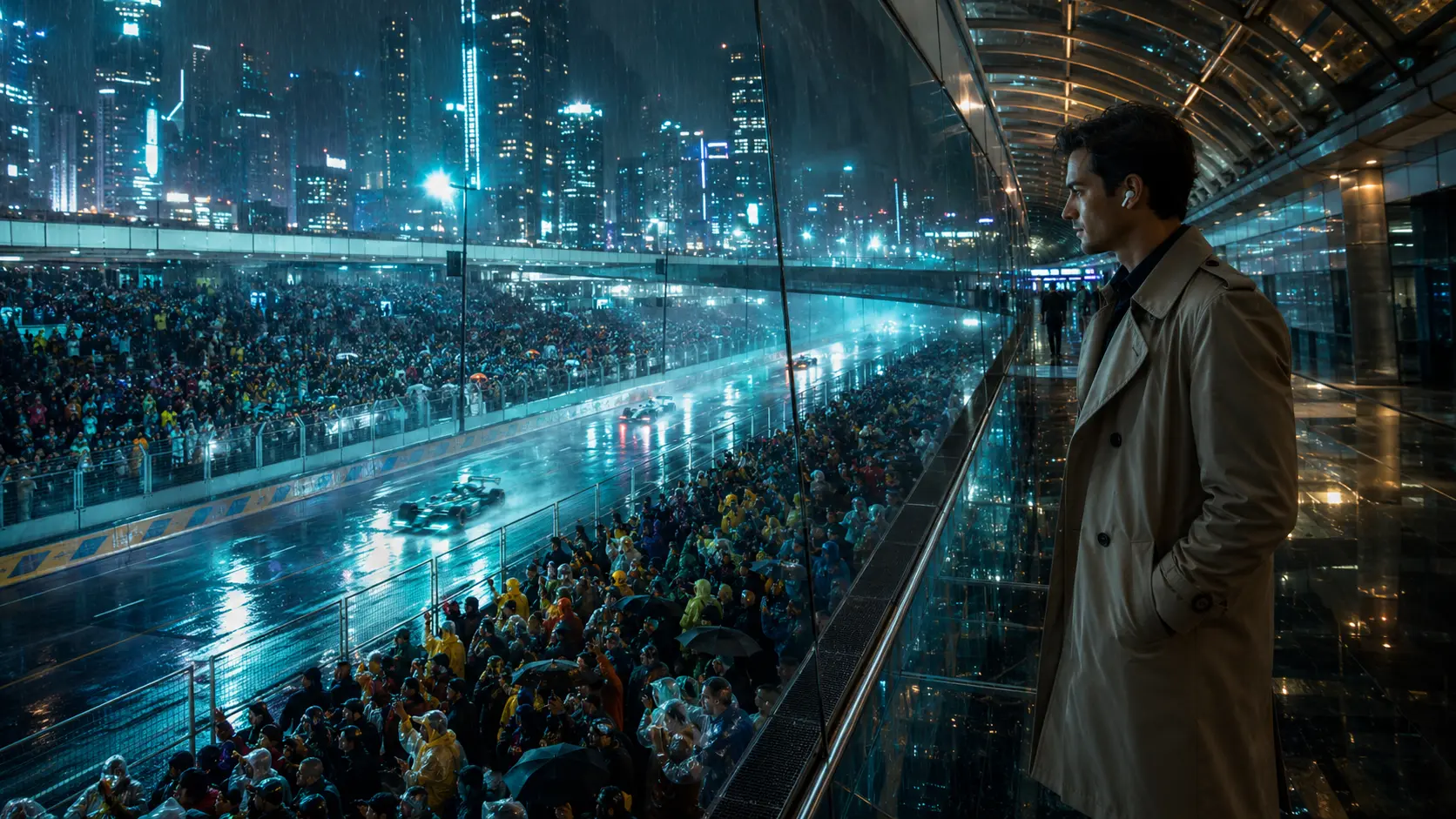
The Americas & Middle East (Las Vegas, Miami, Abu Dhabi)
This is where F1 crosses from sport into pure, unadulterated “Spectacle.” These races prioritize hospitality, celebrity culture, and massive entertainment zones. The baseline costs for Vegas and Miami are exponentially higher than Europe. General Admission is often restricted, forcing fans into expensive grandstands or VIP packages. If you attend these, you must treat them as a luxury vacation rather than a dirt-under-the-fingernails racing weekend. Prepare to spend heavily on trackside food and beverage.
7. The Zero-Second Hacks: Surviving the Circuit
You have your flights, your hotel, and your grandstand tickets. Now you must actually survive the 10-hour days in the blazing sun or pouring rain. Our field team has compiled the definitive specifically for this Ultimate Formula 1 Travel Guide 2026..
- The Thursday Pit Walk Secret: If you hold a 3-day ticket, you are often entitled to the Thursday Pit Lane walk. Most fans don’t realize this and only arrive on Friday. Thursday is the absolute best day to get close to the cars and drivers without the crushing weekend crowds.
- Merchandise Timing Strategy: Do NOT buy your favorite team’s cap on Sunday. Popular items (especially limited edition race-specific merch) sell out by Friday afternoon. Buy your merch the second you enter the track on Thursday or Friday.
- The “Track Radio” App: Cell service will inevitably crash when 100,000 people try to upload a video of the race start. Rent a physical kangaroo radio at the track, or use a reliable eSIM to keep the F1 Timing App running so you know why the safety car was deployed.
- Hydration Mathematics: At summer races (Spain, Hungary, Miami), dehydration is the number one cause of medical tent visits. Security often forbids full water bottles, but allows empty, soft plastic bladders. Bring one and fill it at trackside stations to save spending $8 per bottle.
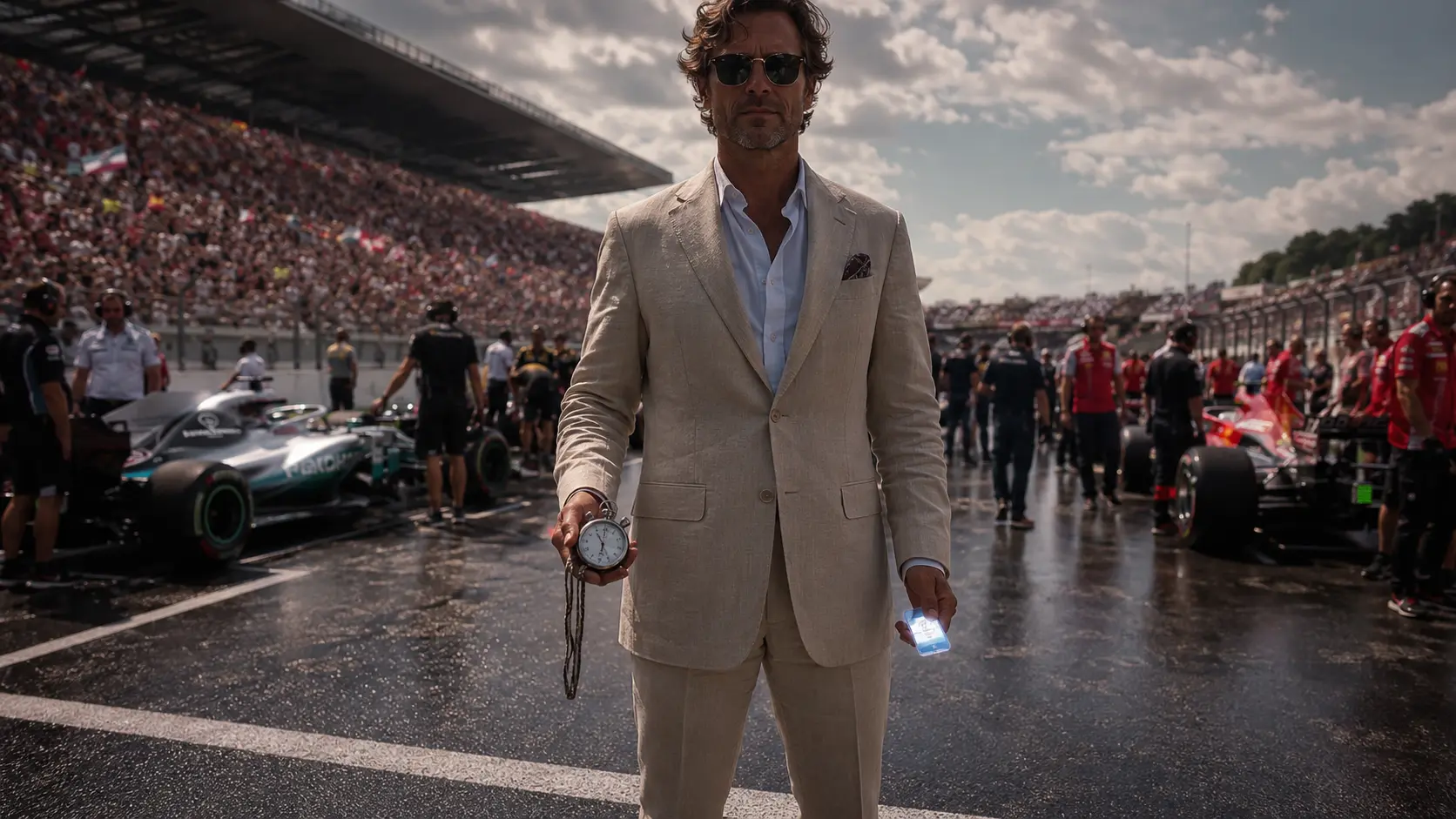
8. The Post-Race Exodus: Recovering in Peace
The checkered flag drops. Max, Lewis, Lando, or Charles sprays the champagne. The confetti settles. Now begins the hardest part of the weekend: getting home.
Local airports on the Monday after a Grand Prix (think Milan Malpensa after Monza, or Brussels after Spa) resemble refugee camps. Thousands of exhausted, hungover fans in team gear sleeping on the floor. If you followed our advice, in our Ultimate Formula 1 Travel Guide 2026, you secured your transport early. But once you reach the airport, you need a sanctuary.
This is where airport lounge access transitions from a luxury to an absolute necessity. Having a quiet space to shower off three days of track dust, eat complimentary food, and sit in a comfortable chair away from the chaotic terminals is the ultimate “veteran move.” We strongly advise securing a lounge pass well before race weekend to guarantee your entry.
Frequently Asked Questions (F1 2026 Edition)
How much does it really cost to attend an F1 race in 2026?
As detailed in our Ultimate Formula 1 Travel Guide 2026 budget section, a bare-bones European weekend (GA ticket, hostel, cheap flights) starts around $800-$1,000. A comfortable mid-range Grandstand experience will cost roughly $2,200-$2,650. High-end hospitality easily exceeds $8,000.
Which is better: General Admission or Grandstand?
As we emphasize throughout this Ultimate Formula 1 Travel Guide 2026, grandstands are vastly superior for first-timers because they guarantee a designated seat and usually a direct view of a large TV screen, which is critical for following race strategy. GA requires grueling early mornings to secure a good spot, though it offers more freedom to roam the circuit.
When should I book flights and hotels for an F1 race?
According to the data analyzed for our Ultimate Formula 1 Travel Guide 2026, the “Golden Window” is 6 to 9 months before the race date.. The moment the FIA officially confirms the 2026 calendar, hotel inventory around tracks like Silverstone, Austin, and Montreal evaporates within 48 hours. Use aggregator tools immediately upon calendar release.
Conclusion: Taking the Checkered Flag
Attending a Formula 1 Grand Prix is a visceral, unforgettable life experience. The scream of the engines, the burning rubber smell, the immense global community converging on a single piece of tarmac—it is pure magic. But that magic is easily ruined by poor planning, price gouging, and logistical nightmares.
By applying the strict guidelines in this Ultimate Formula 1 Travel Guide 2026, you are transitioning from a vulnerable tourist into a strategic F1 veteran. You now know how to secure the best grandstand views, how to ruthlessly budget your costs, and how to utilize premium tools to bypass the misery of the crowds.
Thank you for reading the Ultimate Formula 1 Travel Guide 2026. The 2026 season promises to be a legendary reset in motorsport history. Ensure your travel plans reflect the prestige of the sport. See you on the grid.